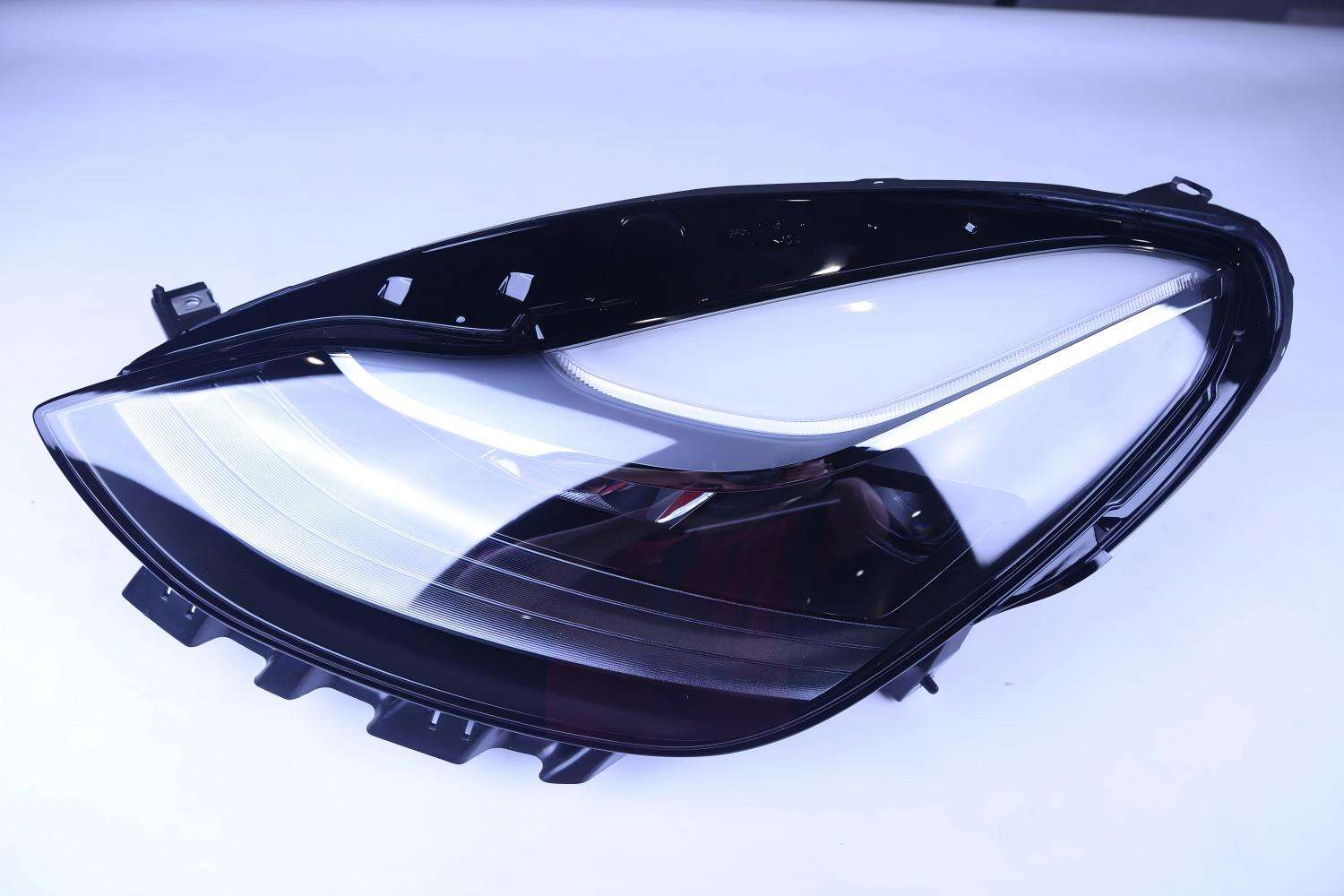
vehicle lighting system
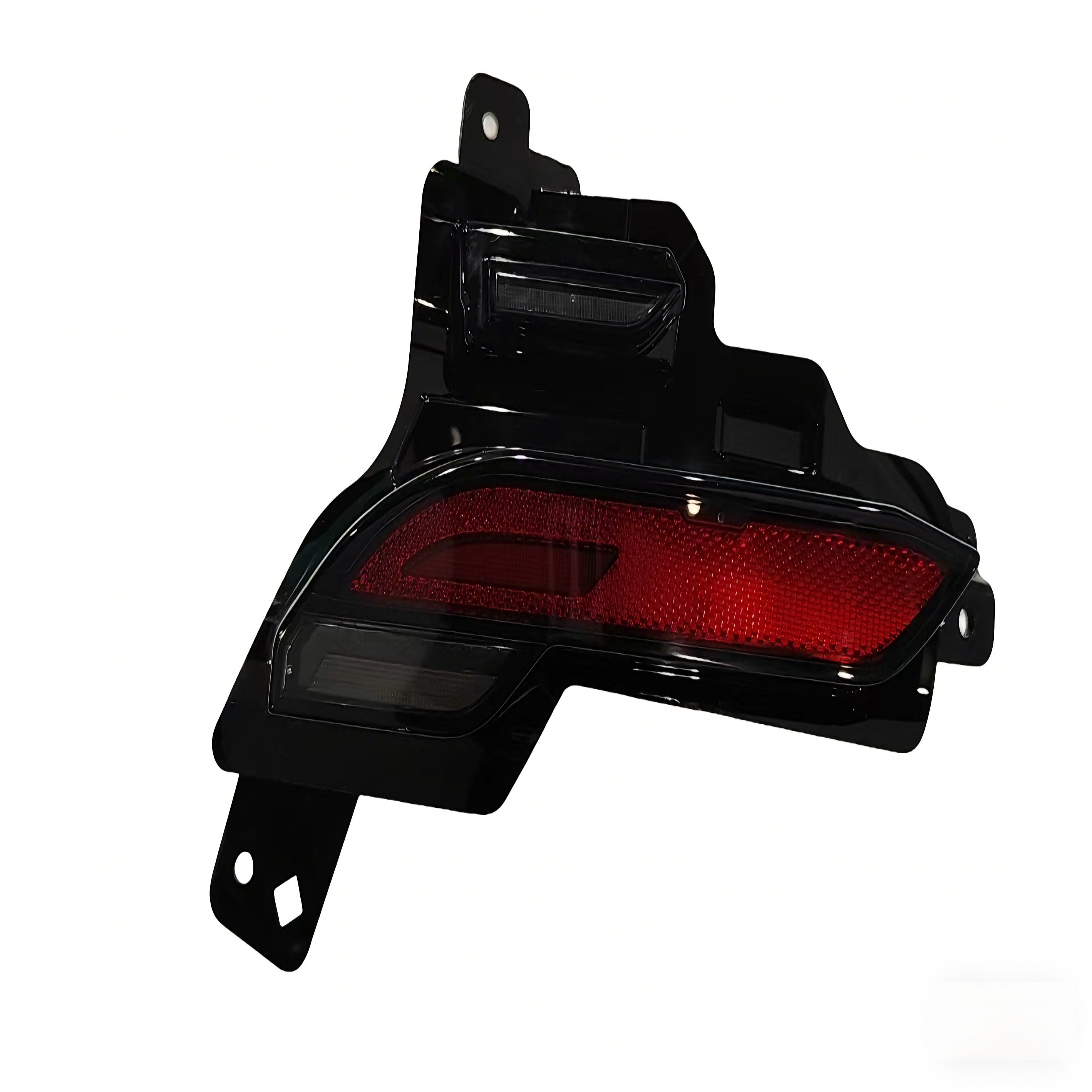
The vehicle lighting system represents a critical component of automotive safety and functionality, serving as the primary means of visual communication between drivers and their surrounding environment. Modern vehicle lighting systems have evolved far beyond simple illumination tools, incorporating advanced technologies that enhance visibility, improve safety, and contribute to the overall aesthetic appeal of contemporary vehicles. At its core, the vehicle lighting system encompasses multiple lighting elements including headlights, taillights, brake lights, turn signals, fog lights, daytime running lights, and interior illumination components. Each element serves a specific purpose in ensuring safe vehicle operation under various driving conditions and times of day. The main functions of the vehicle lighting system include providing forward illumination for nighttime driving, signaling intentions to other road users, enhancing vehicle visibility during adverse weather conditions, and creating a comfortable interior environment for passengers. Technological features have advanced significantly in recent years, with the introduction of LED technology, adaptive lighting systems, automatic high-beam control, and intelligent light distribution mechanisms. These innovations allow the vehicle lighting system to automatically adjust beam patterns based on driving speed, steering angle, and the presence of oncoming traffic. Applications of modern vehicle lighting systems extend beyond basic transportation needs, finding relevance in commercial vehicles, emergency services, agricultural equipment, and specialized industrial vehicles. The integration of smart sensors and electronic control units enables the vehicle lighting system to respond dynamically to changing road conditions, weather patterns, and traffic situations. Energy efficiency has become a paramount consideration, with LED and laser technologies consuming significantly less power than traditional halogen bulbs while delivering superior brightness and longevity. The vehicle lighting system also plays an important role in vehicle design, with manufacturers using distinctive lighting signatures to establish brand identity and visual appeal. As autonomous driving technologies continue to develop, the vehicle lighting system will increasingly serve as a communication interface between automated vehicles and pedestrians, cyclists, and other road users, displaying intentions and operational status through sophisticated light patterns and colors.



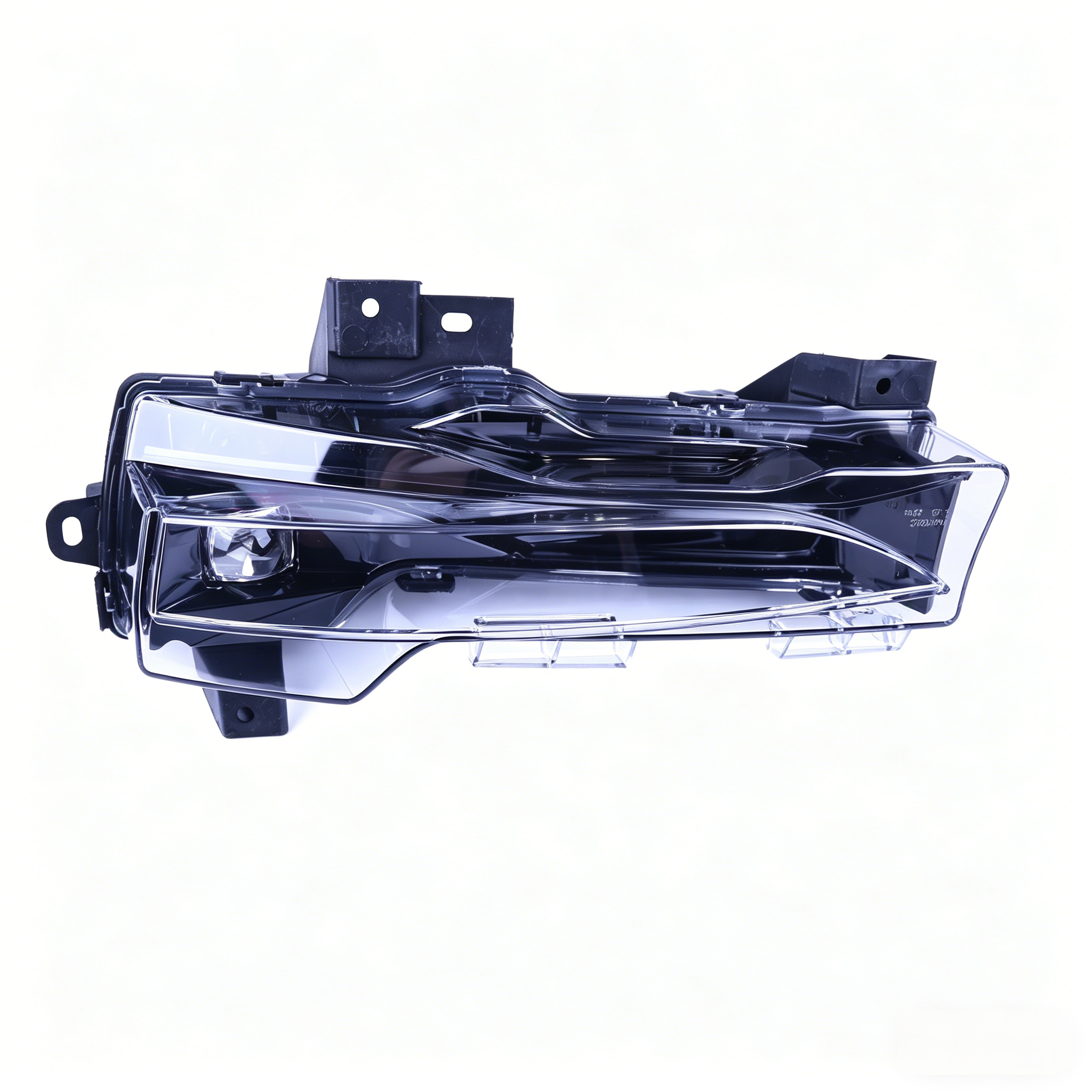
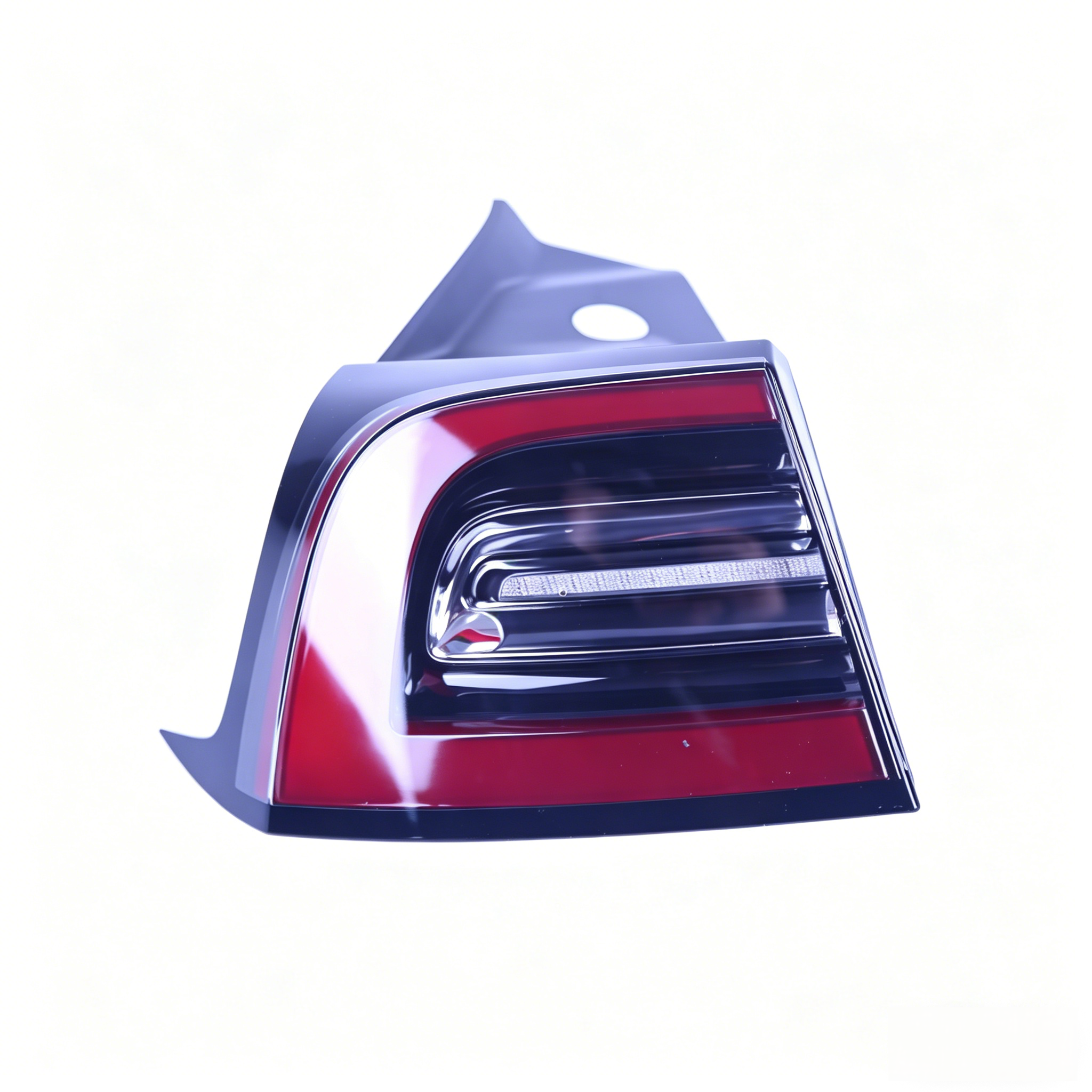


 EN
EN