EN
EN



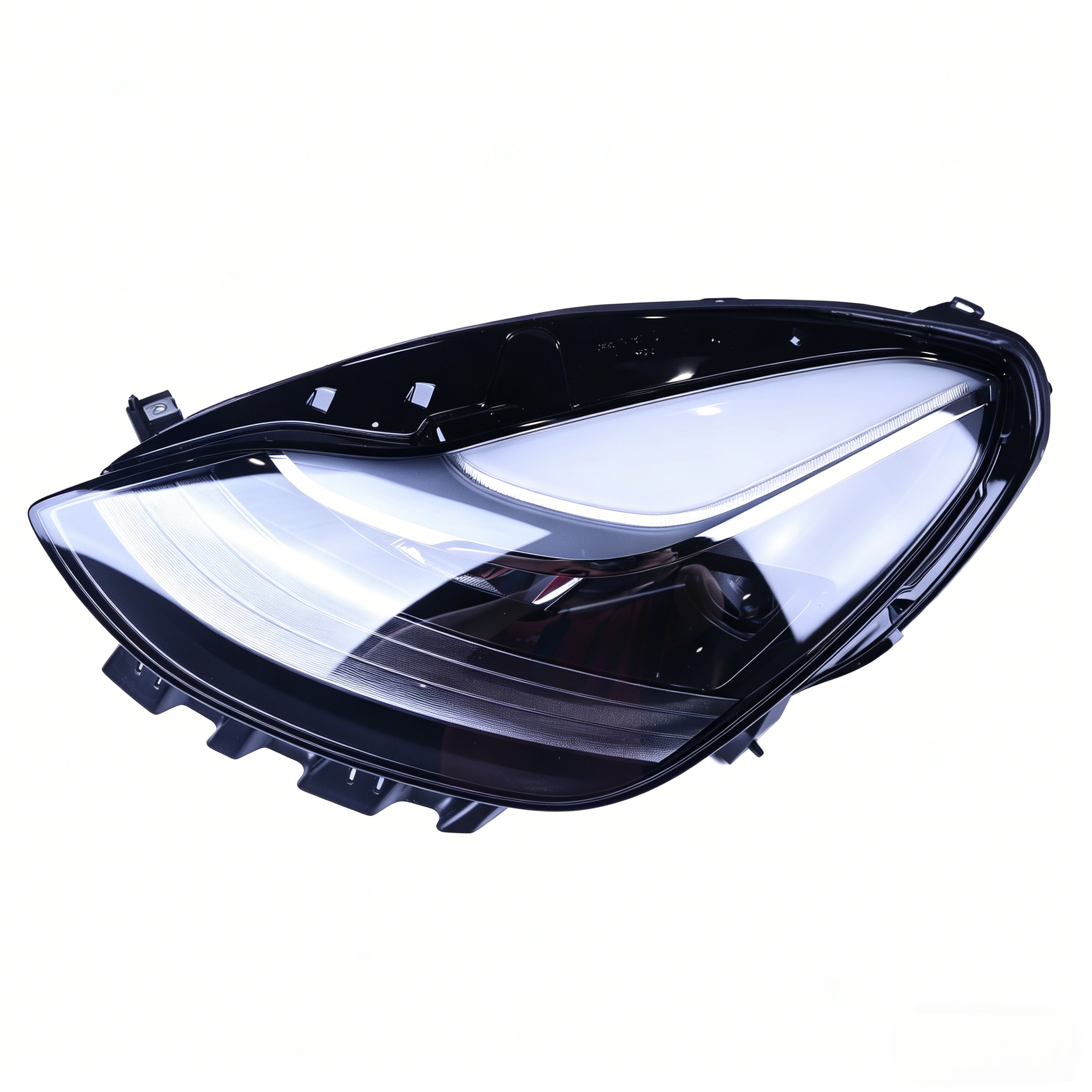
Modern vehicles rely on sophisticated headlight systems to enable and enhance advanced safety technologies that protect drivers, passengers, and pedestrians. As automotive safety continues to evolve beyond traditional passive systems, headlight technology has transformed from simple illumination devices into critical components of active safety architectures. Today's headlight assemblies integrate with sensor networks, driver assistance systems, and vehicle control modules to create a comprehensive safety ecosystem. Understanding how headlight systems support these advanced technologies reveals the fundamental role lighting plays in collision avoidance, visibility enhancement, and intelligent vehicle operation across diverse driving conditions.
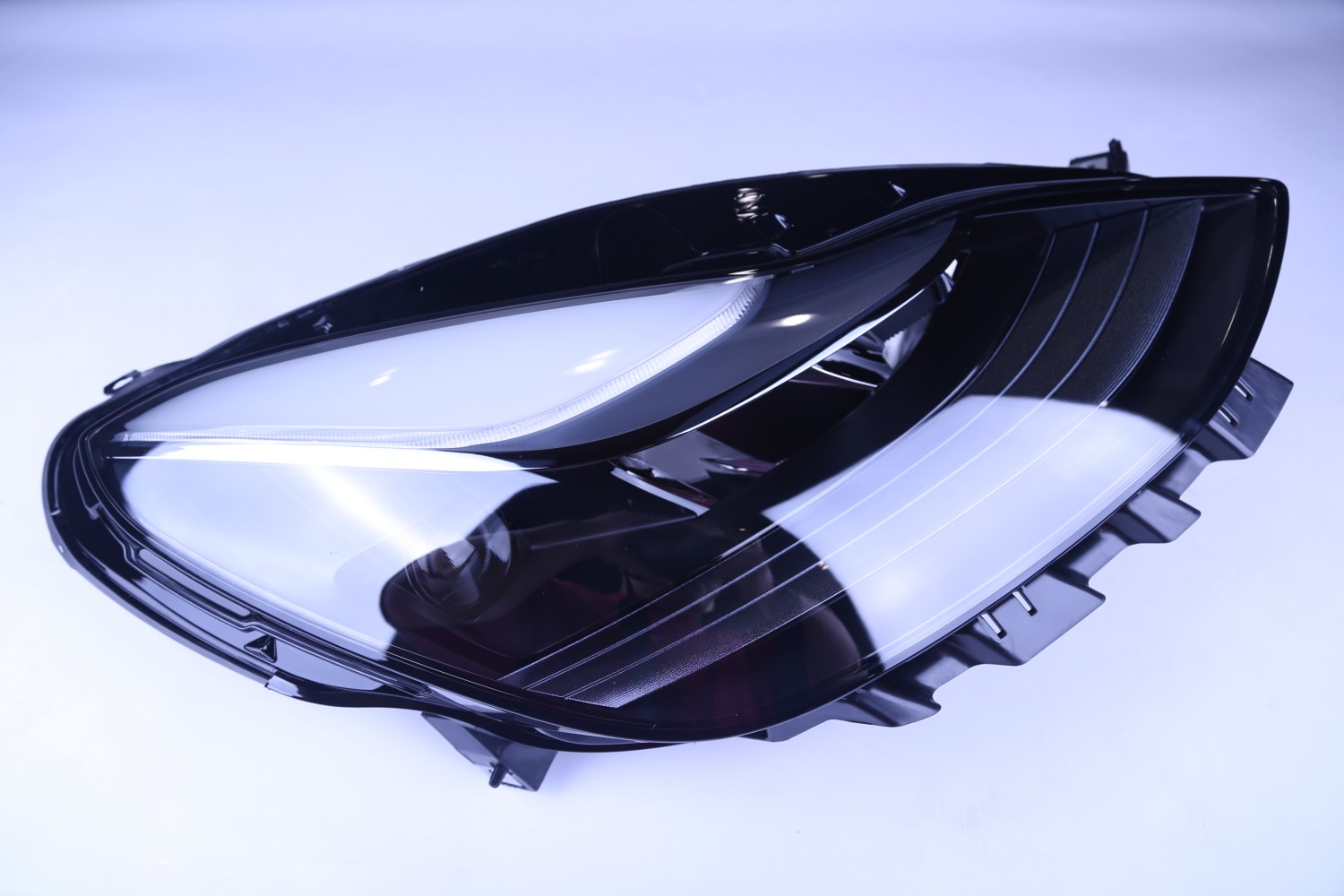
The integration between headlight systems and vehicle safety technologies operates through multiple layers of hardware and software coordination. Contemporary headlight assemblies contain embedded controllers that communicate with the vehicle's central computing platform, enabling real-time adjustments based on driving conditions, traffic patterns, and detected hazards. This communication infrastructure allows headlight systems to function as both information providers and active response mechanisms within the broader safety framework. From supporting camera-based perception systems to executing automated beam adjustments during emergency maneuvers, modern headlight technology serves purposes far beyond its traditional illumination role, making it an indispensable element of comprehensive vehicle safety strategies.
Integration Architecture Between Headlight Systems and Safety Platforms
Communication Protocols and Data Exchange Networks
Modern headlight systems connect to vehicle safety platforms through standardized communication protocols, primarily utilizing Controller Area Network (CAN) bus architecture. This integration allows headlight controllers to receive continuous data streams from multiple vehicle sensors, including forward-facing cameras, radar units, and lidar systems. The headlight control module processes this information to coordinate lighting behavior with active safety interventions. For instance, when the adaptive cruise control system detects rapid deceleration ahead, it transmits signals to the headlight controller, which can then trigger specific lighting patterns to enhance driver awareness. This bidirectional communication ensures that headlight performance remains synchronized with the vehicle's safety state, creating a cohesive response to potential hazards.
The data exchange between headlight systems and safety platforms occurs at millisecond intervals, enabling near-instantaneous adjustments to lighting output and beam patterns. Advanced headlight assemblies equipped with LED matrix technology can receive individual pixel-level control commands from the safety system, allowing for precise beam shaping that avoids dazzling oncoming traffic while maintaining maximum illumination of the roadway. This granular control capability transforms the headlight from a static component into a dynamic safety tool that adapts continuously to the driving environment. The communication architecture also supports diagnostic functions, where the headlight system reports its operational status to the central safety controller, ensuring that any performance degradation is immediately detected and addressed before it compromises safety functionality.
Sensor Fusion and Perception Enhancement
Headlight systems play a crucial supporting role in sensor fusion architectures that underpin advanced driver assistance systems. Many modern vehicles mount forward-facing cameras behind the windshield in close proximity to the headlight housings, and the quality of headlight illumination directly impacts camera performance during nighttime operation. High-quality headlight assemblies with consistent color temperature and uniform beam patterns provide optimal lighting conditions for camera-based object detection, lane keeping assistance, and traffic sign recognition systems. When headlight performance degrades due to lens fogging, improper aim, or bulb aging, the effectiveness of these camera-based safety systems diminishes significantly, creating potential blind spots in the vehicle's perception capability.
Advanced headlight configurations now incorporate active beam management that coordinates with camera exposure settings to prevent oversaturation or underexposure in the camera's field of view. This coordination ensures that the perception system receives consistent, high-quality visual data regardless of ambient lighting conditions. Some premium headlight systems include infrared illumination components that work in conjunction with night vision cameras, extending the vehicle's detection range beyond the visible spectrum. This multi-spectral approach to illumination and perception enables safety systems to identify pedestrians, animals, and obstacles at distances that exceed conventional headlight reach, providing additional reaction time for automated emergency braking and collision avoidance systems to engage effectively.
Adaptive Lighting Functions That Enable Safety System Performance
Automatic High Beam Control and Glare Prevention
Automatic high beam control represents one of the most fundamental ways headlight systems support overall vehicle safety by optimizing visibility without compromising the safety of other road users. This function relies on camera sensors that detect the headlights and taillights of other vehicles, automatically switching between high and low beam modes to prevent glare. The system enhances safety by ensuring maximum illumination is available whenever conditions permit, extending the driver's visual range to detect potential hazards earlier. Research indicates that proper high beam usage can increase forward visibility from approximately 60 meters to over 100 meters, providing significantly more reaction time for drivers to respond to unexpected obstacles or road conditions.
Modern implementations of automatic high beam control feature sophisticated algorithms that distinguish between various light sources, preventing false triggering from reflective signs, streetlights, or ambient illumination. The headlight controller continuously processes camera input to assess the distance and position of detected vehicles, creating predictive models of when beam switching will be necessary. This anticipatory control minimizes the time that drivers experience reduced visibility during mode transitions. The system also coordinates with navigation data to modify its behavior in urban environments where continuous high beam usage would be inappropriate, demonstrating how headlight control integrates multiple information sources to optimize safety performance across diverse driving scenarios.
Adaptive Driving Beam and Matrix LED Technology
Adaptive driving beam technology represents a significant evolution in how headlight systems support safety by eliminating the traditional compromise between visibility and glare prevention. Matrix LED headlight assemblies contain multiple individually controllable light segments that can be selectively dimmed or deactivated while maintaining full illumination in other areas of the beam pattern. This capability allows the headlight system to create dynamic shadow zones that track detected vehicles, preventing glare for other drivers while maintaining maximum illumination of the roadway and roadside areas. The precision of this selective dimming dramatically improves nighttime visibility compared to conventional low beam patterns, enhancing the driver's ability to detect pedestrians, animals, and road hazards in peripheral vision zones.
The implementation of matrix LED technology requires sophisticated coordination between the headlight control unit, forward-facing cameras, and the vehicle's positioning system. The system continuously calculates the three-dimensional position of detected vehicles and predicts their movement trajectory, preemptively adjusting the beam pattern to maintain appropriate glare protection as traffic situations evolve. Advanced implementations can manage multiple simultaneous shadow zones, tracking several vehicles at different distances and positions while optimizing the overall light distribution for maximum safety benefit. This technology proves particularly valuable on winding rural roads where the headlight system can maintain high beam illumination through curves while protecting oncoming traffic, a scenario where traditional automatic high beam systems would switch to low beams and significantly reduce visibility.
Cornering and Steering-Linked Illumination
Cornering light functions enhance safety during turning maneuvers by illuminating the area into which the vehicle is steering, addressing the visibility gap that occurs when conventional headlight beams continue pointing straight ahead during turns. This feature activates additional light sources or redirects the main headlight beam based on steering angle input, providing earlier detection of pedestrians, cyclists, or obstacles in the vehicle's intended path. Studies of nighttime intersection accidents reveal that inadequate visibility of crossing traffic and pedestrians contributes significantly to collision rates, making cornering illumination a valuable safety enhancement. The headlight system receives steering angle data from the vehicle's electronic power steering controller, calculating the appropriate beam direction adjustment in real-time.
Advanced implementations of steering-linked headlight functionality incorporate vehicle speed data to modulate the degree of beam adjustment, providing more aggressive illumination redirection at lower speeds where turning angles are sharper, while limiting adjustment at highway speeds where gentler steering inputs occur. This speed-dependent behavior ensures that the headlight beam remains appropriately positioned for the driver's visual needs across different driving contexts. The system also coordinates with the vehicle's stability control system, providing enhanced illumination during emergency avoidance maneuvers when drivers make sudden steering inputs to avoid obstacles. This integration demonstrates how headlight technology actively supports collision avoidance by ensuring optimal visibility precisely when the driver needs it most during critical safety interventions.
Headlight Support for Automated Driving and Advanced Driver Assistance Systems
Communication Signaling and Intent Broadcasting
As vehicles incorporate higher levels of automation, headlight systems have evolved to serve communication functions that enhance safety for all road users. Advanced headlight assemblies can display specific lighting patterns or sequences to signal the vehicle's operational state or intended actions to pedestrians, cyclists, and other drivers. For example, when an automated vehicle detects a pedestrian preparing to cross at an unmarked location, the headlight system can flash a specific pattern to indicate that the vehicle has detected the pedestrian and will yield, creating clear communication that reduces uncertainty and enhances crossing safety. This communication capability becomes increasingly important as automated vehicles interact with human road users who cannot rely on traditional cues like eye contact with drivers.
The implementation of communication-focused lighting functions requires coordination between the headlight control module and the vehicle's automated driving system, with predefined lighting sequences mapped to specific driving situations or system states. Regulatory frameworks for these communication patterns remain under development, but early implementations demonstrate the potential for headlight systems to reduce ambiguity in complex traffic scenarios. Beyond pedestrian communication, headlight signaling can alert following drivers when the automated system has detected a hazard ahead, providing advance warning that enables better traffic flow and reduced collision risk. This evolution of headlight functionality from simple illumination to active communication represents a fundamental expansion of how lighting systems support comprehensive vehicle safety architectures.
Precision Illumination for Autonomous Sensor Performance
Autonomous driving systems rely on multiple sensor types including cameras, radar, and lidar, each with specific performance requirements that headlight systems must accommodate. Camera-based perception systems require consistent, well-distributed illumination across the field of view to enable reliable object classification and distance estimation. Headlight assemblies designed to support autonomous operation incorporate specific beam patterns that minimize shadows and harsh contrast transitions, creating lighting conditions that optimize computer vision algorithm performance. The color temperature and spectral distribution of LED headlight sources can be tuned to match the sensitivity characteristics of autonomous vehicle cameras, ensuring maximum signal quality for perception processing.
Lidar systems, which emit laser pulses to create three-dimensional environmental maps, can experience interference from certain light sources. Modern headlight designs account for this potential interference, ensuring that emission spectra and modulation frequencies do not overlap with the operating parameters of the vehicle's lidar units. Some advanced headlight implementations incorporate active coordination with lidar operation, temporarily adjusting output during specific lidar measurement cycles to eliminate any possibility of optical interference. This level of integration highlights how headlight system design now considers not only human visual requirements but also the operational needs of machine perception systems. As autonomous capabilities advance, the role of headlight systems in supporting reliable sensor performance across all environmental conditions becomes increasingly critical to overall system safety.
Emergency Maneuver Lighting Support
When advanced driver assistance systems execute emergency interventions such as automated emergency braking or collision avoidance steering, headlight systems provide supporting illumination functions that enhance the effectiveness of these safety measures. During emergency braking events, advanced headlight controllers can trigger rapid flashing patterns or increased brightness to alert following drivers of the sudden deceleration, potentially preventing rear-end collisions. Some systems incorporate predictive functionality where the headlight begins emergency signaling slightly before the actual brake application, providing maximum warning time to surrounding traffic. This coordination between active safety systems and lighting functions creates layered safety responses that address both the immediate hazard and secondary collision risks.
Emergency steering maneuvers benefit from headlight systems that can rapidly redirect illumination toward the escape path, providing the driver with immediate visual confirmation of the area into which the vehicle is being steered. This function proves particularly valuable when driver assistance systems execute avoidance maneuvers that may seem counterintuitive, such as steering toward the shoulder to avoid a stopped vehicle. By immediately illuminating the escape route, the headlight system reduces driver confusion and supports faster situational awareness recovery after the emergency intervention. The integration of headlight control with emergency maneuver systems demonstrates how lighting technology contributes to the overall effectiveness of active safety interventions, supporting both automated system actions and driver response during critical safety events.
Environmental Adaptation and Hazard-Specific Lighting Responses
Weather Condition Detection and Beam Optimization
Advanced headlight systems incorporate weather detection capabilities that enable automatic beam pattern adjustments to maintain optimal visibility during adverse conditions. Rain sensors, typically mounted on the windshield, provide input to the headlight control module, triggering specific beam patterns that reduce reflection and glare from wet road surfaces. During heavy rain or fog, the headlight system can lower the beam cutoff height and reduce intensity to minimize backscatter from water droplets or fog particles that would otherwise create a visibility-obscuring glare wall. This automatic adaptation ensures that drivers maintain the best possible forward vision regardless of weather conditions without requiring manual intervention to adjust lighting controls.
The headlight system's weather response functionality coordinates with other vehicle safety systems including windshield wipers and traction control to create a comprehensive adverse condition response. When the system detects activation of high-speed wiper settings or stability control interventions indicating slippery surfaces, it implements lighting adjustments appropriate for reduced traction conditions. Some advanced implementations include dedicated fog light functions that activate automatically based on environmental sensors, providing low-mounted supplemental illumination that improves road edge visibility when primary headlight effectiveness is compromised by atmospheric conditions. This intelligent environmental adaptation demonstrates how modern headlight technology actively responds to changing conditions to maintain consistent safety performance across the full range of driving situations.
Pedestrian and Animal Detection Enhancement
Headlight systems enhance the effectiveness of pedestrian and animal detection systems by providing illumination characteristics optimized for both human visual perception and camera-based object recognition. LED headlight technology offers particular advantages for pedestrian safety due to its spectral characteristics and instantaneous response time. The color temperature of LED headlights more closely approximates daylight compared to traditional halogen sources, enabling better color discrimination that helps drivers identify pedestrians based on clothing color and contrast against backgrounds. The instant-on characteristic of LED technology eliminates the warm-up period associated with HID systems, ensuring full illumination is available immediately upon ignition, which proves critical for early morning or evening commutes when pedestrian activity is high.
Advanced implementations coordinate headlight control with pedestrian detection systems to provide targeted illumination enhancement when vulnerable road users are detected. Upon identifying a pedestrian near the roadway, the headlight control module can activate additional light output in that specific zone or trigger a brief brightness increase to draw the driver's attention to the detected hazard. Some systems incorporate infrared illumination that extends beyond the visible spectrum, supporting night vision systems that can detect pedestrians and animals at ranges exceeding conventional headlight reach. When the night vision system identifies a warm-blooded target in the vehicle's path, it can command the headlight to illuminate that specific area with visible light, providing the driver with direct visual confirmation of the detected hazard. This coordinated response between detection systems and headlight illumination creates multiple layers of protection for vulnerable road users.
Low Visibility and Contrast Enhancement Technologies
Modern headlight systems incorporate specific technologies designed to enhance contrast and object visibility during challenging lighting conditions such as dusk, dawn, or overcast days when ambient light levels are low but not dark enough for traditional nighttime beam patterns. Daytime running light functions have evolved beyond simple presence indicators to include specific intensity levels and beam patterns that enhance the visibility of road features and obstacles without creating glare for other drivers. These intermediate lighting modes prove particularly valuable during transitional lighting periods when driver visual adaptation is incomplete and object detection performance is naturally reduced.
Some premium headlight assemblies incorporate contrast enhancement technologies such as pulsed lighting or modulated output that exploits the human visual system's sensitivity to changing light levels. These subtle variations in headlight output can improve object detection without significantly increasing overall brightness or creating distraction. The headlight control system coordinates these functions with ambient light sensors and time-of-day data to select appropriate lighting modes automatically, ensuring optimal visibility support across the full 24-hour cycle. By addressing visibility challenges that occur outside traditional nighttime conditions, modern headlight systems extend their safety contribution beyond conventional applications, supporting driver visual performance during periods that historically received less attention in lighting system design.
FAQ
How do headlight systems communicate with other vehicle safety systems?
Headlight systems communicate with other vehicle safety systems through the Controller Area Network (CAN) bus, a standardized digital communication protocol that enables real-time data exchange between electronic control units throughout the vehicle. The headlight control module receives sensor inputs from cameras, radar units, and the vehicle's central computer, processing this information to coordinate lighting behavior with active safety interventions. This architecture supports bidirectional communication where headlight systems both receive commands from safety platforms and report their operational status back to the central controller, ensuring synchronized performance across all safety functions and enabling diagnostic monitoring to detect any degradation in lighting system capability.
What is the difference between adaptive high beam and matrix LED headlight technology?
Adaptive high beam systems automatically switch between high and low beam modes based on detection of other vehicles, providing an all-or-nothing approach to glare prevention. Matrix LED technology represents an advanced evolution that uses individually controllable light segments to create selective shadow zones that track detected vehicles while maintaining high beam illumination in other areas. This pixel-level control allows matrix systems to provide significantly better visibility than traditional low beams while preventing glare, eliminating the visibility compromise inherent in conventional adaptive high beam implementations. Matrix technology requires more sophisticated control systems and coordination with vehicle sensors but delivers substantially improved nighttime safety performance.
Can headlight performance affect the operation of autonomous driving systems?
Headlight performance directly impacts autonomous driving system effectiveness because many autonomous sensors including cameras rely on adequate illumination to function properly during nighttime operation. Degraded headlight performance from fogged lenses, improper aim, or aging bulbs reduces the quality of visual data available to perception algorithms, potentially creating detection blind spots or reducing classification accuracy. Advanced autonomous systems incorporate headlight condition monitoring to detect performance degradation that might compromise sensor effectiveness. Premium autonomous vehicle implementations use headlight systems specifically designed to provide optimal illumination characteristics for machine vision, including precise beam patterns, consistent color temperature, and spectral distributions matched to camera sensor sensitivity.
How do weather conditions influence headlight system behavior in modern vehicles?
Modern headlight systems incorporate weather-responsive functions that automatically adjust beam patterns and intensity based on environmental conditions detected through rain sensors and other vehicle inputs. During precipitation or fog, the headlight control module implements specific beam adjustments such as lowered cutoff heights and reduced intensity to minimize reflection and backscatter that would otherwise create visibility-obscuring glare. The system coordinates these adjustments with windshield wiper activity and stability control activation to ensure appropriate lighting response across various weather scenarios. This automatic adaptation maintains optimal visibility without requiring driver intervention, ensuring consistent safety performance regardless of environmental conditions while supporting the effectiveness of camera-based safety systems that also experience weather-related performance challenges.
Table of Contents
- Integration Architecture Between Headlight Systems and Safety Platforms
- Adaptive Lighting Functions That Enable Safety System Performance
- Headlight Support for Automated Driving and Advanced Driver Assistance Systems
- Environmental Adaptation and Hazard-Specific Lighting Responses
-
FAQ
- How do headlight systems communicate with other vehicle safety systems?
- What is the difference between adaptive high beam and matrix LED headlight technology?
- Can headlight performance affect the operation of autonomous driving systems?
- How do weather conditions influence headlight system behavior in modern vehicles?