EN
EN



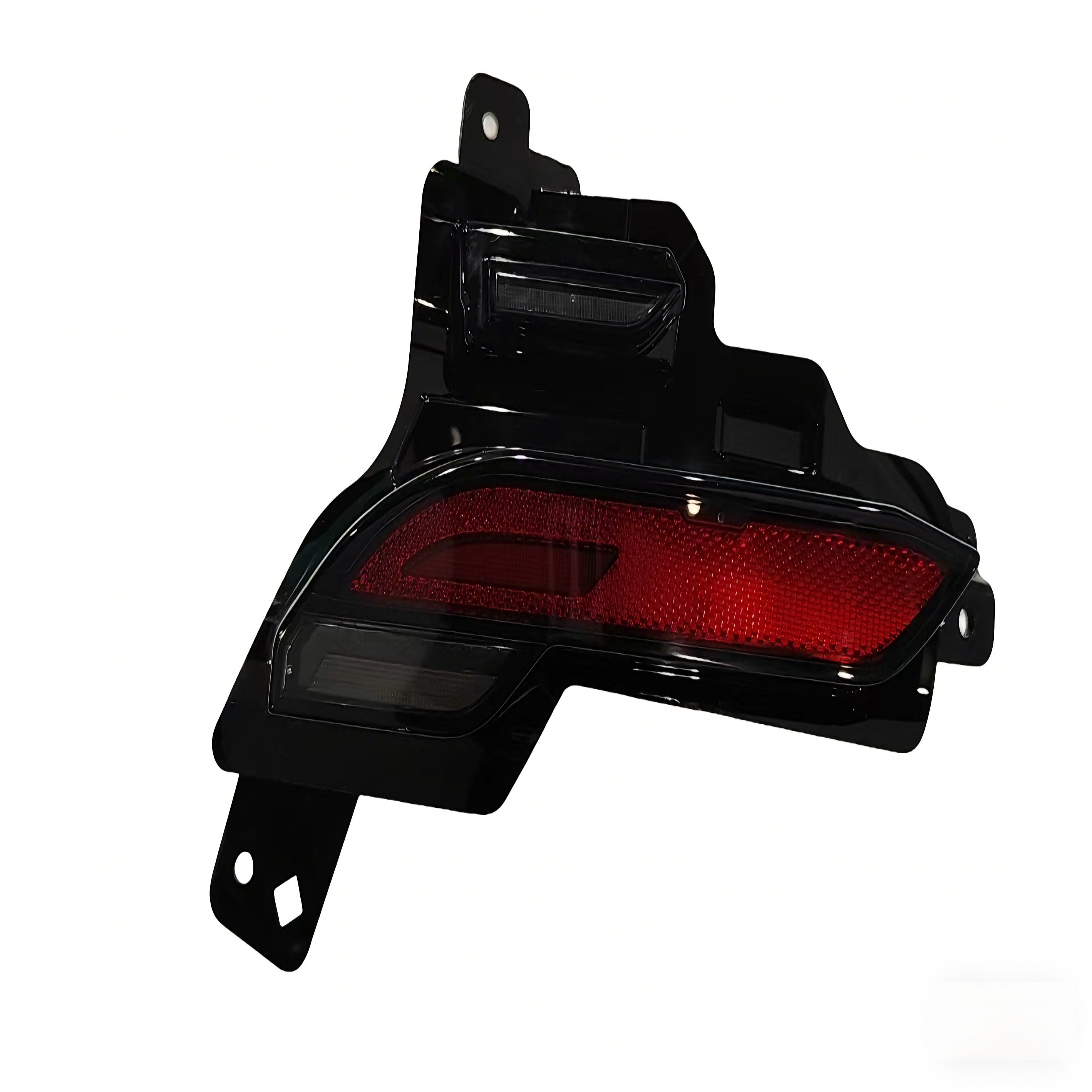
The manufacturing of an automotive lighting system involves a carefully orchestrated selection of materials, each chosen for its ability to meet rigorous performance, safety, and durability standards. Modern vehicles demand lighting solutions that can withstand extreme temperatures, resist UV degradation, maintain optical clarity, and comply with stringent regulatory requirements. Understanding the materials used in automotive lighting system production provides valuable insight into how manufacturers balance cost, performance, and innovation to deliver reliable illumination components that enhance both vehicle safety and aesthetic appeal.
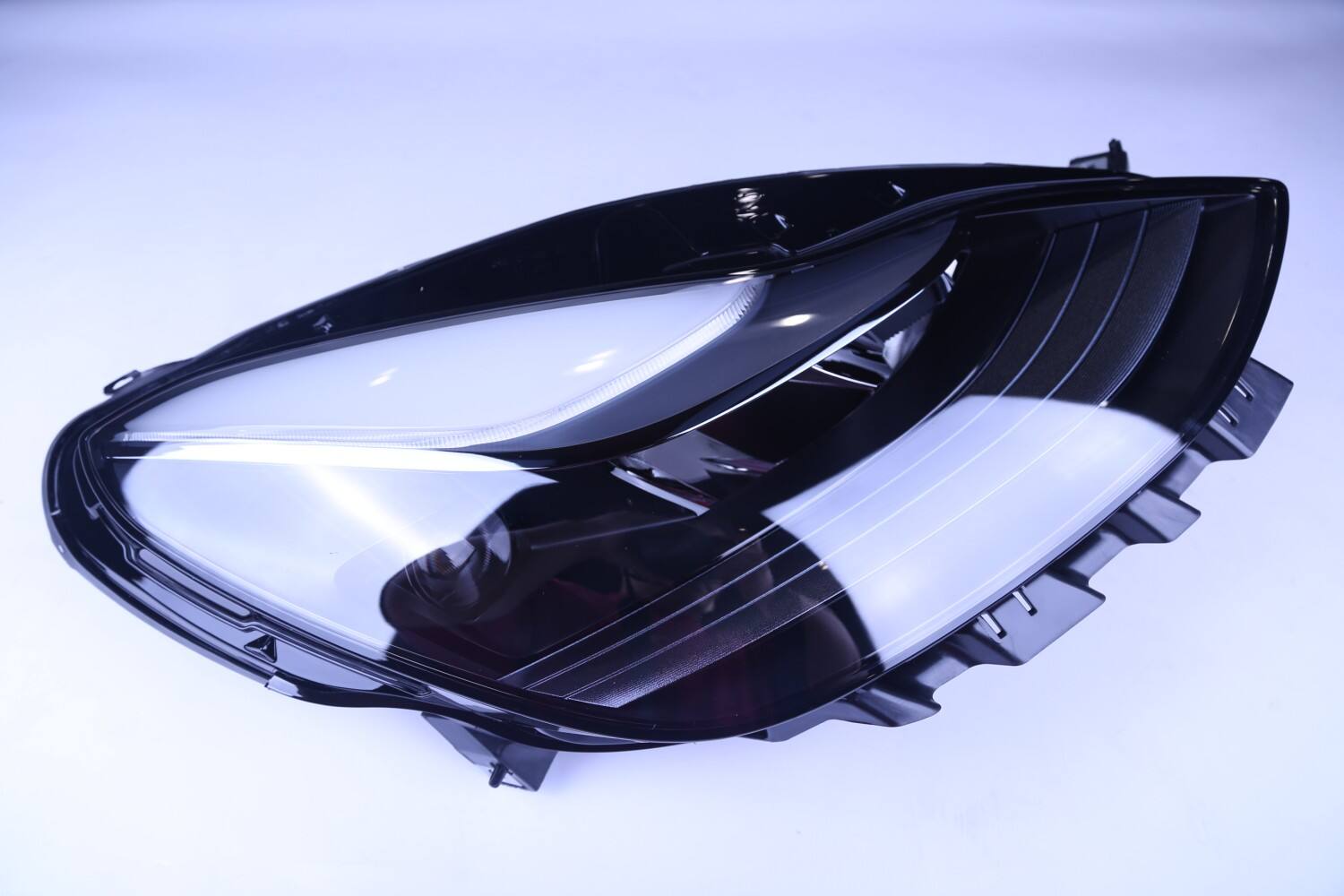
From polycarbonate lenses to aluminum heat sinks, LED chips to specialized reflective coatings, the material palette employed in automotive lighting system manufacturing has expanded dramatically over the past two decades. The transition from traditional halogen bulbs to advanced LED and laser technologies has necessitated new material solutions that address thermal management, optical efficiency, and integration with vehicle electronics. This article explores the core materials used throughout the automotive lighting system manufacturing process, examining their properties, applications, and the engineering considerations that guide material selection decisions.
Primary Optical Materials in Automotive Lighting Systems
Polycarbonate for Lens and Housing Components
Polycarbonate has emerged as the dominant material for outer lenses in automotive lighting system manufacturing due to its exceptional impact resistance, optical clarity, and design flexibility. This thermoplastic polymer offers roughly 250 times the impact resistance of glass while weighing approximately half as much, making it ideal for front-end lighting applications where stone strikes and collisions pose constant threats. Manufacturers typically specify polycarbonate grades with UV-stabilizing additives that prevent yellowing and maintain transparency throughout the vehicle's service life, ensuring the automotive lighting system continues to perform optimally even after years of exposure to sunlight and environmental stressors.
The injection molding process used with polycarbonate allows designers to create complex geometric shapes that integrate multiple functions into a single component. Modern automotive lighting system lenses often incorporate integrated prismatic features, Fresnel patterns, and diffusion textures directly into the polycarbonate surface, eliminating the need for separate optical elements. This material consolidation reduces part count, assembly complexity, and overall system weight while enabling the sleek, sculptural headlight designs that define contemporary vehicle aesthetics. Manufacturers apply hard coating technologies to polycarbonate lenses to enhance scratch resistance and maintain long-term optical performance in harsh operating environments.
Acrylic Materials for Inner Optical Components
Polymethyl methacrylate, commonly known as acrylic or PMMA, serves critical roles in automotive lighting system manufacturing as light guides, reflectors, and inner lens elements. Acrylic offers superior optical transmission compared to polycarbonate, typically exceeding ninety-two percent across the visible spectrum, making it the preferred choice for components where maximum light efficiency is paramount. The material's excellent moldability allows manufacturers to create intricate light pipe geometries that distribute illumination evenly across signature daytime running lamps and tail light assemblies, contributing to distinctive brand identity and enhanced visibility.
Within the automotive lighting system architecture, acrylic components often work in tandem with LED sources to create uniform illumination patterns that meet photometric standards while minimizing the number of individual light sources required. Manufacturers exploit acrylic's low birefringence and consistent refractive index to engineer precise beam patterns through carefully designed surface textures and internal geometries. Specialized acrylic formulations with enhanced thermal stability enable these components to operate reliably in the elevated temperature environments generated by high-power LED arrays, though careful thermal management design remains essential to prevent material degradation over extended operating periods.
Glass Applications in High-Performance Lighting
Despite the widespread adoption of polymer materials, glass maintains important niches in automotive lighting system manufacturing where its superior thermal resistance and dimensional stability prove indispensable. High-intensity discharge lamps and certain high-power LED configurations generate heat levels that exceed the service temperature limits of even the most advanced engineering plastics, necessitating borosilicate or aluminosilicate glass for enclosures and protective covers. Glass also offers inherent resistance to chemical attack from automotive fluids and environmental contaminants, ensuring long-term clarity without the need for protective coatings.
Premium automotive lighting system designs occasionally incorporate glass optics for projector lens elements where dimensional precision and thermal stability directly impact beam pattern accuracy. The low thermal expansion coefficient of optical glass ensures that carefully engineered focal lengths and cutoff positions remain consistent across the full operating temperature range of the lighting system. Modern glass processing technologies including precision molding and ion exchange strengthening have reduced the weight penalty traditionally associated with glass components while maintaining the material's optical superiority for demanding applications.
Metallic Materials for Structural and Thermal Management
Aluminum Alloys for Heat Dissipation
Aluminum has become the material of choice for thermal management components in automotive lighting system manufacturing, particularly for LED-based designs where junction temperature directly affects light output, color stability, and service life. Die-cast aluminum housings and extruded heat sink profiles efficiently conduct heat away from LED sources, leveraging the material's excellent thermal conductivity of approximately 200 watts per meter-kelvin. Manufacturers select specific aluminum alloys based on their casting characteristics, mechanical properties, and surface finish requirements, with ADC12 and A380 alloys commonly specified for automotive lighting applications.
The design of aluminum heat sinks in automotive lighting system assemblies represents a careful balance between thermal performance, weight constraints, and manufacturing economics. Fin geometries, surface treatments, and thermal interface materials all contribute to the overall thermal resistance between LED junction and ambient environment. Advanced automotive lighting system designs increasingly incorporate active cooling strategies including heat pipes and vapor chambers that work in conjunction with aluminum structures to manage thermal loads from next-generation high-flux LED arrays. Surface treatments such as anodizing and chromate conversion coatings protect aluminum components from corrosion while providing aesthetic finishes that contribute to the overall quality appearance of the lighting assembly.
Steel and Stainless Steel Structural Components
Steel components provide structural integrity and mounting interfaces within automotive lighting system assemblies, offering superior strength-to-cost ratios for brackets, adjustment mechanisms, and reinforcement elements. Manufacturers typically specify cold-rolled steel with zinc or zinc-nickel corrosion protection for internal structural components where environmental exposure remains limited. These steel elements anchor the automotive lighting system securely to vehicle body structures, maintain optical alignment under vibration and impact loads, and provide robust attachment points for electrical connectors and wiring harnesses.
Stainless steel finds application in automotive lighting system manufacturing for components exposed to moisture, road salt, and other corrosive agents, particularly in adjustment mechanisms and fasteners. The material's inherent corrosion resistance eliminates the need for protective coatings that might interfere with precision fits or electrical continuity. Spring elements fabricated from stainless steel maintain consistent clamping forces throughout the service life of the automotive lighting system, ensuring reliable electrical connections and sustained optical alignment. The higher material cost of stainless steel limits its application to critical interfaces where functional reliability justifies the investment.
Reflective Metal Coatings and Surfaces
Aluminum vapor deposition creates highly reflective surfaces on plastic and metal substrates throughout automotive lighting system assemblies, with reflectivity often exceeding ninety-five percent across the visible spectrum. These thin metal films, typically measuring just 100 to 200 nanometers in thickness, transform injection-molded plastic reflectors into precision optical elements that efficiently collect and direct light from bulb or LED sources. The physical vapor deposition process deposits aluminum atoms in a high-vacuum environment, creating uniform coatings that conform to complex three-dimensional geometries with minimal thickness variation.
Advanced automotive lighting system designs may incorporate enhanced aluminum coatings with protective overcoats that prevent oxidation and maintain reflectivity in harsh operating environments. Multi-layer interference coatings built on aluminum base layers can selectively enhance reflection at specific wavelengths, enabling color-tuning strategies that optimize luminous efficacy or create distinctive lighting signatures. Manufacturers carefully control surface preparation, vacuum conditions, and deposition parameters to achieve the mirror-like finishes essential for automotive lighting system performance, with quality control processes including spectrophotometry and adhesion testing to verify coating integrity.
Semiconductor and Electronic Materials
LED Chip Technologies and Substrate Materials
The heart of modern automotive lighting system assemblies consists of LED semiconductor devices fabricated on sapphire, silicon carbide, or silicon substrates. These crystalline materials provide the foundation for epitaxial growth of gallium nitride and related compound semiconductors that generate visible light through electroluminescence. Sapphire substrates dominate mainstream automotive lighting system applications due to their combination of thermal performance, optical transparency, and manufacturing maturity, though silicon carbide offers superior thermal conductivity for the most demanding high-power applications.
Within the LED chip structure, multiple material layers work in concert to generate light efficiently. Quantum well active regions just nanometers thick determine emission wavelength, while n-type and p-type doped regions facilitate charge injection. Phosphor materials, typically cerium-doped yttrium aluminum garnet dispersed in silicone, convert blue LED emission to broad-spectrum white light suitable for automotive lighting system applications. The selection and optimization of these materials directly impacts luminous efficacy, color rendering, and long-term stability of the lighting system. Advanced automotive lighting system designs may incorporate multiple LED chips with different phosphor formulations to achieve precise color temperature control and enhanced color rendering performance.
Electronic Packaging and Interconnect Materials
LED packages for automotive lighting system applications employ sophisticated material combinations to protect semiconductor devices while efficiently extracting light and conducting heat. Ceramic substrates provide electrical insulation, thermal conductivity, and dimensional stability, with aluminum nitride and aluminum oxide being the most common choices based on thermal performance requirements and cost constraints. Gold and copper wire bonds create electrical connections between LED chips and package leads, with material selection driven by reliability requirements and current-carrying capacity.
Encapsulation materials protect LED junctions from moisture, contaminants, and mechanical stress while serving optical functions including light extraction and beam shaping. Silicone elastomers have largely replaced epoxy encapsulants in automotive lighting system applications due to their superior thermal stability, UV resistance, and maintained optical clarity over extended service life. The refractive index of encapsulation materials affects light extraction efficiency from the high-index semiconductor, with material engineers carefully balancing optical performance against thermal and mechanical requirements. Phosphor-converted white LEDs integrate phosphor particles directly into the silicone encapsulant, creating a wavelength conversion system that must maintain color stability throughout years of thermal cycling and UV exposure in the automotive lighting environment.
Printed Circuit Board Materials and Substrates
FR-4 glass-reinforced epoxy laminate serves as the standard substrate material for automotive lighting system driver electronics, offering adequate thermal performance, mechanical strength, and electrical insulation for most applications. This composite material combines woven fiberglass fabric with epoxy resin, creating rigid boards that support electronic components and provide conductive copper traces for power distribution and signal routing. For LED mounting boards where thermal performance becomes critical, manufacturers specify metal-core printed circuit boards with aluminum substrates and thin dielectric layers, dramatically reducing thermal resistance between LED and heat sink compared to conventional FR-4 constructions.
Flexible printed circuits fabricated from polyimide films enable complex three-dimensional interconnections within automotive lighting system assemblies, allowing electronic components to be distributed optimally for thermal management and packaging efficiency. These flexible substrates withstand the thermal cycling and vibration environment of automotive applications while maintaining electrical reliability. Surface finishes including immersion silver, electroless nickel immersion gold, and organic solderability preservative protect copper traces from oxidation and ensure reliable soldering of electronic components. The selection of printed circuit board materials and manufacturing processes directly impacts the reliability, thermal performance, and cost structure of the automotive lighting system electronic control unit.
Adhesives, Sealants, and Assembly Materials
Structural Adhesives for Component Bonding
Two-component polyurethane and epoxy adhesives have revolutionized automotive lighting system assembly by replacing mechanical fasteners with continuous bonding interfaces that distribute stress, seal against moisture ingress, and accommodate differential thermal expansion between dissimilar materials. These structural adhesives develop bond strengths exceeding ten megapascals while maintaining flexibility that prevents stress concentration at material interfaces. Manufacturers formulate automotive lighting system adhesives specifically to bond polycarbonate, acrylic, aluminum, and steel surfaces, with surface preparation and application processes carefully controlled to achieve consistent bond quality.
The transition from mechanical assembly to adhesive bonding in automotive lighting system manufacturing enables lighter designs with improved sealing performance and reduced part count. Adhesive bonds eliminate the stress concentrations associated with mechanical fasteners while creating continuous barriers against moisture and dust infiltration. Cure schedules must accommodate production throughput requirements while ensuring complete polymerization before the automotive lighting system undergoes subsequent assembly operations or testing. Quality control processes including bond strength testing and aging studies verify that adhesive joints will maintain integrity throughout the vehicle's service life despite exposure to thermal cycling, vibration, and environmental stressors.
Silicone Sealants and Gasketing Materials
Silicone elastomers provide critical sealing functions in automotive lighting system assemblies, creating compliant interfaces that accommodate tolerances and differential movement while preventing moisture and dust ingress. These materials maintain flexibility across the full automotive temperature range from negative forty to positive eighty-five degrees Celsius, ensuring consistent sealing performance regardless of ambient conditions. Manufacturers apply silicone sealants as formed-in-place gaskets that cure to create custom sealing geometries, eliminating the need for discrete gasket components and simplifying assembly processes.
Advanced silicone formulations for automotive lighting system applications incorporate adhesion promoters that enable bonding to polycarbonate, acrylic, and metal surfaces without separate primers, streamlining manufacturing processes while ensuring robust sealing performance. The permeability characteristics of silicone allow water vapor to escape from the automotive lighting system interior while blocking liquid water ingress, preventing condensation accumulation that could degrade optical performance or cause corrosion. Breather membranes fabricated from expanded polytetrafluoroethylene often integrate with silicone sealing systems to equalize pressure while maintaining environmental protection, ensuring the automotive lighting system can withstand pressure differentials caused by altitude changes and thermal cycling without seal failure or housing deformation.
Thermal Interface Materials
Thermal interface materials bridge microscopic surface irregularities between LED packages and heat sinks in automotive lighting system assemblies, dramatically reducing contact thermal resistance and ensuring efficient heat transfer. These specialized materials typically consist of silicone or polyurethane matrices filled with thermally conductive particles including aluminum oxide, boron nitride, or silver, achieving bulk thermal conductivities ranging from one to five watts per meter-kelvin. Application methods include dispensing, screen printing, and pre-formed pads, with selection driven by automated assembly requirements, thermal performance targets, and cost constraints.
Phase-change materials represent an advanced category of thermal interface material increasingly deployed in high-performance automotive lighting system designs. These formulations remain solid at room temperature for handling and assembly but soften during initial operation, flowing to fill interface voids and create intimate thermal contact. The resulting bond line thickness of just tens of microns minimizes thermal resistance while accommodating reasonable surface flatness tolerances. Manufacturers carefully match thermal interface material properties to the specific thermal expansion characteristics of adjoining materials, ensuring the interface remains intact and effective throughout years of thermal cycling in the automotive lighting system operating environment.
Coatings, Treatments, and Surface Engineering
Hard Coatings for Abrasion Resistance
Siloxane-based hard coatings applied to polycarbonate lenses protect automotive lighting system assemblies from abrasion damage caused by stone impacts, automatic car washes, and routine cleaning operations. These coatings, typically applied through dip or spray processes, cure to form scratch-resistant layers just a few microns thick that dramatically improve surface hardness without significantly affecting optical transmission. Manufacturers have refined coating formulations and application processes to achieve pencil hardness ratings of 3H or higher while maintaining adhesion to the polycarbonate substrate through thermal cycling and UV exposure.
The development of dual-cure coating systems combining UV and thermal cross-linking has improved the durability and production efficiency of hard coat application in automotive lighting system manufacturing. These advanced coatings cure rapidly under UV exposure for initial handling strength, then complete polymerization through thermal treatment to achieve full performance characteristics. Multi-layer coating systems may incorporate primer layers that enhance adhesion, functional hard coat layers for abrasion resistance, and top coat layers for easy cleaning or anti-fog performance, creating comprehensive surface protection systems tailored to specific automotive lighting system requirements.
Anti-Reflective and Optical Enhancement Coatings
Thin-film optical coatings applied to lens surfaces reduce reflection losses and enhance light transmission through automotive lighting system assemblies. These interference coatings consist of alternating layers of high and low refractive index dielectric materials, with individual layer thicknesses precisely controlled at the nanometer scale. Single-layer magnesium fluoride coatings provide basic anti-reflective performance, while multi-layer stacks can achieve transmission enhancement exceeding ninety-nine percent across targeted wavelength ranges, improving automotive lighting system efficiency and reducing visual artifacts caused by internal reflections.
Manufacturers apply optical coatings through physical vapor deposition or dip coating processes, with selection driven by performance requirements, substrate materials, and production volumes. The durability of thin-film coatings in the automotive lighting system environment depends critically on proper substrate preparation, precise process control, and effective encapsulation of the coating edges. Environmental testing including thermal cycling, humidity exposure, and abrasion resistance verifies coating adhesion and optical stability before production release. Some automotive lighting system designs incorporate hydrophobic top coats that promote water beading and self-cleaning behavior, maintaining optical clarity in adverse weather conditions.
Decorative and Functional Surface Finishes
Chrome plating, vacuum metallization, and painted finishes create the aesthetic surfaces visible on automotive lighting system assemblies when illuminated or viewed from specific angles. These decorative treatments must withstand UV exposure, temperature extremes, and chemical attack from automotive fluids while maintaining color stability and gloss retention throughout the vehicle's service life. Manufacturers specify automotive-grade finishes with demonstrated durability in accelerated weathering tests and field exposure studies, ensuring the automotive lighting system maintains its visual appeal over years of service.
Advanced finishing technologies including laser etching, micro-texturing, and selective chrome deposition enable complex visual effects and brand differentiation in automotive lighting system design. These processes create surfaces that appear differently when illuminated versus unlit, contributing to distinctive daytime and nighttime appearance signatures. The integration of decorative finishes with optical functions requires careful material selection and process control to avoid compromising lighting performance while achieving desired aesthetic effects. Quality control processes including colorimetry, gloss measurement, and visual inspection under various lighting conditions ensure decorative finishes meet both functional and aesthetic specifications for the automotive lighting system application.
FAQ
Why has polycarbonate become the dominant lens material in automotive lighting systems?
Polycarbonate has achieved dominance in automotive lighting system lens applications because it offers exceptional impact resistance approximately 250 times greater than glass while weighing roughly half as much. This combination of properties provides critical safety benefits by preventing lens shattering during stone impacts or collisions. The material's design flexibility through injection molding enables complex geometries that integrate optical functions directly into the lens surface, reducing part count and enabling the sculptural headlight designs that define modern vehicle aesthetics. With proper UV-stabilizing additives and hard coat protection, polycarbonate maintains optical clarity and mechanical integrity throughout the vehicle's service life despite constant exposure to sunlight, temperature extremes, and environmental stressors.
What thermal management materials are essential for LED-based automotive lighting systems?
LED-based automotive lighting system designs rely primarily on aluminum alloys for thermal management, with die-cast housings and extruded heat sink profiles conducting heat away from LED junctions to maintain optimal operating temperatures. Thermal interface materials, typically silicone or polyurethane matrices filled with thermally conductive particles, bridge microscopic gaps between LED packages and heat sinks to minimize contact thermal resistance. Advanced designs may incorporate heat pipes, vapor chambers, or active cooling strategies that work in conjunction with aluminum structures to manage thermal loads from high-power LED arrays. Proper thermal management directly affects LED light output, color stability, and service life, making material selection and thermal design critical engineering considerations in automotive lighting system development.
How do adhesives and sealants improve automotive lighting system manufacturing and performance?
Structural adhesives and silicone sealants have transformed automotive lighting system manufacturing by replacing mechanical fasteners with continuous bonding and sealing interfaces that offer multiple advantages. These materials distribute stress more evenly than discrete fasteners, accommodate differential thermal expansion between dissimilar materials like aluminum and polycarbonate, and create moisture and dust barriers that protect internal components. Adhesive bonding enables lighter designs with reduced part count while improving assembly efficiency and consistency. Silicone sealants maintain flexibility across the full automotive temperature range and can equalize internal pressure while blocking liquid water ingress, preventing condensation that could degrade optical performance. The transition to adhesive assembly represents a fundamental shift in automotive lighting system manufacturing methodology that delivers improved reliability, reduced weight, and enhanced design freedom.
What surface treatments protect automotive lighting system components from environmental damage?
Automotive lighting system components receive multiple surface treatments to ensure long-term durability in harsh operating environments. Polycarbonate lenses typically receive siloxane-based hard coatings that dramatically improve abrasion resistance against stone impacts, car washes, and routine cleaning while maintaining optical clarity. Anti-reflective coatings applied through vacuum deposition processes enhance light transmission and reduce internal reflections that could compromise beam pattern quality. Aluminum heat sinks receive anodizing or chromate conversion coatings that prevent corrosion while providing attractive finishes. Steel structural components undergo zinc or zinc-nickel plating for corrosion protection in moisture and road salt exposure. These surface treatments work together to ensure the automotive lighting system maintains both functional performance and aesthetic quality throughout years of demanding service conditions.
Table of Contents
- Primary Optical Materials in Automotive Lighting Systems
- Metallic Materials for Structural and Thermal Management
- Semiconductor and Electronic Materials
- Adhesives, Sealants, and Assembly Materials
- Coatings, Treatments, and Surface Engineering
-
FAQ
- Why has polycarbonate become the dominant lens material in automotive lighting systems?
- What thermal management materials are essential for LED-based automotive lighting systems?
- How do adhesives and sealants improve automotive lighting system manufacturing and performance?
- What surface treatments protect automotive lighting system components from environmental damage?