EN
EN



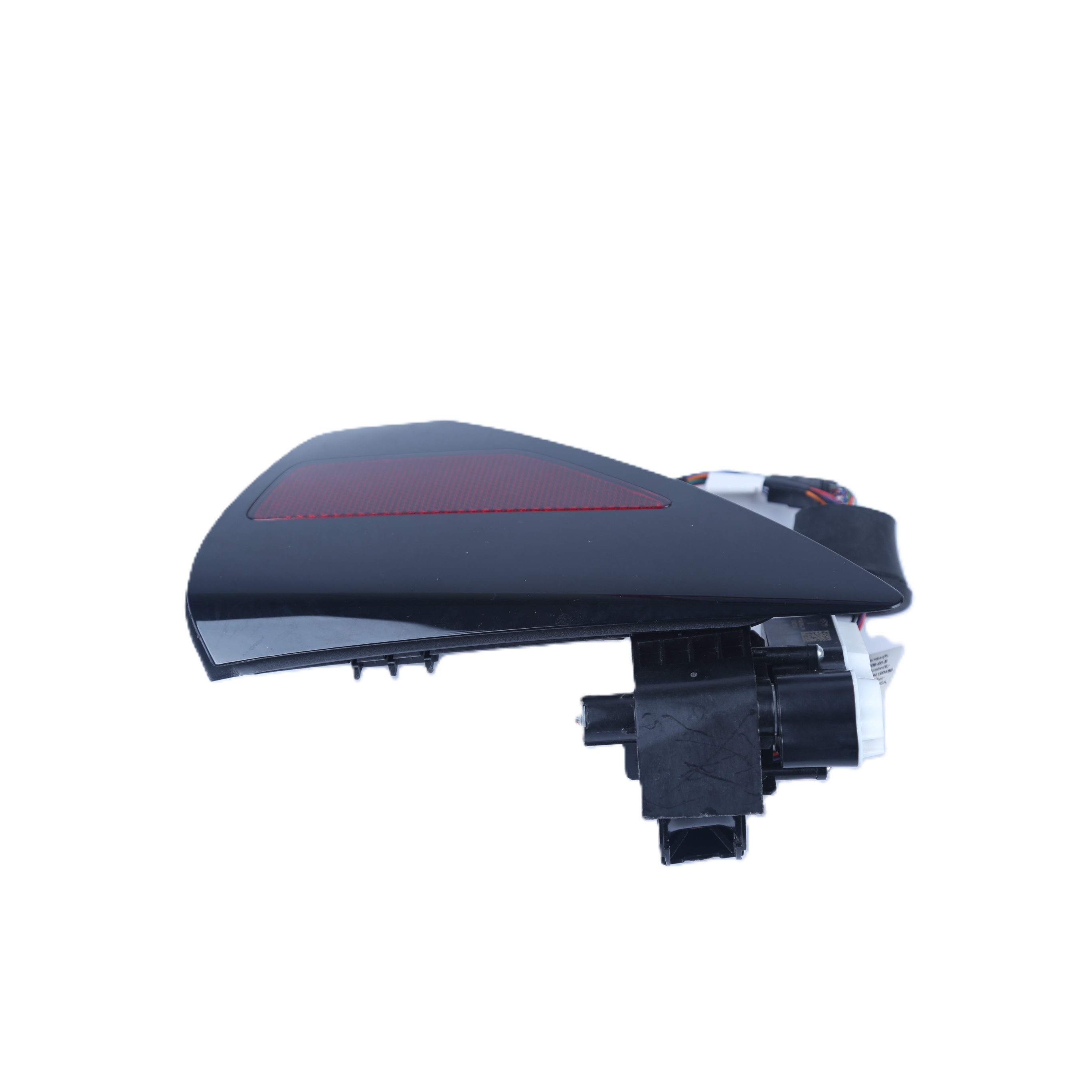
The automotive body panel system represents one of the most critical structural and aesthetic components in modern vehicle manufacturing. Understanding the materials used in automotive body panel system production is essential for manufacturers, repair professionals, and fleet managers who need to make informed decisions about quality, durability, and cost-effectiveness. The selection of materials for an automotive body panel system directly impacts vehicle weight, safety performance, corrosion resistance, and overall manufacturing efficiency.
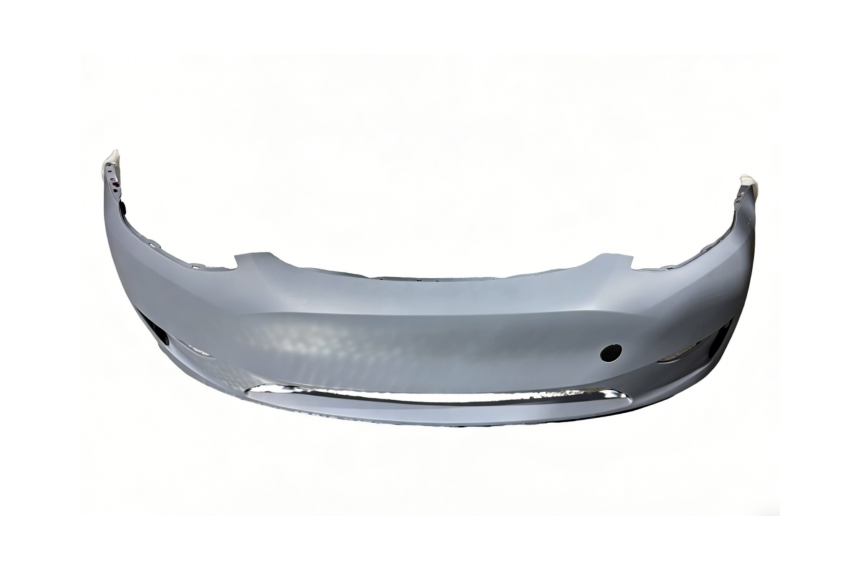
Throughout the evolution of automotive manufacturing, the materials used in automotive body panel system construction have undergone significant transformation. Today's automotive body panel system manufacturers employ a diverse range of materials, each selected for specific performance characteristics that align with engineering requirements, production constraints, and market demands. From traditional steel alloys to advanced composite materials, each material brings distinct advantages to the automotive body panel system manufacturing process.
Steel Alloys in Automotive Body Panel System Manufacturing
Conventional Steel Applications
Conventional steel remains the most widely used material in automotive body panel system production worldwide. The automotive body panel system manufacturing industry relies heavily on cold-rolled steel sheets, which offer excellent formability, weldability, and cost-effectiveness. These steel grades typically range from mild steel to high-strength steel, with thickness variations between 0.6mm and 2.0mm depending on the specific automotive body panel system component and its structural requirements.
The stamping process for steel-based automotive body panel system components involves large-scale press operations where flat steel sheets are formed into complex three-dimensional shapes. Conventional steel in the automotive body panel system provides manufacturers with predictable mechanical properties, making it ideal for mass production environments where consistency and repeatability are paramount. The material's proven track record in automotive body panel system applications ensures reliable performance across diverse climate conditions and operational scenarios.
Advanced High-Strength Steel
Advanced high-strength steel has revolutionized the automotive body panel system manufacturing landscape by enabling weight reduction without compromising structural integrity. The automotive body panel system incorporating advanced high-strength steel grades achieves improved crash performance while reducing overall vehicle mass. These steel variants include dual-phase steel, transformation-induced plasticity steel, and martensitic steel, each engineered for specific automotive body panel system applications.
Manufacturing processes for advanced high-strength steel in the automotive body panel system require specialized tooling and precise temperature control during forming operations. The automotive body panel system components made from these materials demonstrate superior energy absorption characteristics, making them particularly valuable in safety-critical areas such as door intrusion beams, roof rails, and structural reinforcements. The ongoing development of ultra-high-strength steel continues to expand possibilities for automotive body panel system design and performance optimization.
Aluminum and Lightweight Materials
Aluminum Sheet Applications
Aluminum has emerged as a strategic material choice for automotive body panel system manufacturing, particularly in premium vehicle segments and electric vehicle platforms where weight reduction directly impacts range and performance. The automotive body panel system utilizing aluminum sheets typically achieves weight savings of thirty to forty percent compared to equivalent steel panels. Aluminum alloys used in automotive body panel system production include 5000-series and 6000-series grades, selected for their combination of formability, corrosion resistance, and structural performance.
The manufacturing process for aluminum-based automotive body panel system components differs significantly from steel processing. Aluminum in the automotive body panel system requires different press speeds, lubrication strategies, and die surface treatments to prevent galling and achieve acceptable surface quality. Heat treatment processes such as solution heat treatment and artificial aging are often employed to optimize the mechanical properties of the automotive body panel system components after forming operations.
Magnesium and Composite Integration
Magnesium alloys represent the frontier of lightweight automotive body panel system manufacturing, offering the lowest density among structural metals used in vehicle production. Although magnesium applications in the automotive body panel system remain limited compared to steel and aluminum, specific components such as liftgates, decklids, and inner panels increasingly incorporate this material. The automotive body panel system employing magnesium achieves exceptional weight reduction, though manufacturing complexity and material cost currently restrict widespread adoption.
Composite materials are gradually entering automotive body panel system manufacturing, particularly for exterior panels where design freedom and corrosion immunity provide distinct advantages. Sheet molding compound and carbon fiber reinforced polymers enable automotive body panel system designs that would be impossible or impractical with traditional metallic materials. The automotive body panel system incorporating composites typically requires different manufacturing processes, including compression molding, resin transfer molding, or autoclave curing, depending on production volume and performance requirements.
Material Selection Criteria and Manufacturing Considerations
Performance and Cost Balance
Selecting materials for automotive body panel system manufacturing involves complex trade-offs between performance requirements, manufacturing feasibility, and economic constraints. The automotive body panel system designer must evaluate factors including formability limits, springback characteristics, surface quality requirements, and corrosion protection needs. Each material used in the automotive body panel system brings specific manufacturing challenges that influence tooling design, process parameters, and quality control procedures.
Cost considerations in automotive body panel system production extend beyond raw material pricing to encompass tooling investment, cycle time implications, and downstream assembly processes. The automotive body panel system manufactured from aluminum may require more expensive tooling and longer cycle times compared to steel alternatives, though these costs must be weighed against potential fuel economy benefits and brand positioning advantages. Material selection for the automotive body panel system increasingly considers total lifecycle cost rather than initial manufacturing expense alone.
Surface Treatment and Corrosion Protection
Surface treatment requirements vary significantly across different materials used in automotive body panel system manufacturing. Steel-based automotive body panel system components typically undergo multi-stage pretreatment processes including cleaning, phosphating, and electrocoating to ensure adequate corrosion protection. The automotive body panel system employing aluminum benefits from natural oxide layer formation but may still require additional surface treatments for paint adhesion and galvanic corrosion prevention when joined to dissimilar metals.
Modern automotive body panel system manufacturing increasingly employs hot-dip galvanizing, electrogalvanizing, or organic coatings to extend component service life in corrosive environments. The automotive body panel system coating strategy must consider the base material characteristics, expected service conditions, and warranty requirements. Advanced coating technologies for the automotive body panel system include cathodic electrodeposition primers and nano-ceramic pretreatments that provide enhanced corrosion resistance while reducing environmental impact compared to traditional chromate-based systems.
FAQ
What is the most common material used in automotive body panel system manufacturing?
Conventional cold-rolled steel remains the most widely used material in automotive body panel system manufacturing due to its excellent balance of formability, strength, cost-effectiveness, and established manufacturing infrastructure. The automotive body panel system utilizing steel benefits from decades of process optimization, reliable supply chains, and predictable performance characteristics that make it suitable for high-volume production environments across all vehicle segments.
How does aluminum compare to steel in automotive body panel system applications?
Aluminum offers significant weight reduction advantages for the automotive body panel system, typically achieving thirty to forty percent mass savings compared to equivalent steel components. However, the automotive body panel system manufactured from aluminum requires different forming processes, specialized tooling, and modified joining techniques. While aluminum excels in corrosion resistance and weight efficiency, steel generally provides superior formability, lower material costs, and simpler manufacturing processes for the automotive body panel system.
Are composite materials becoming more common in automotive body panel system production?
Composite materials are gradually increasing in automotive body panel system manufacturing, particularly for specific exterior panels where design flexibility and corrosion immunity provide competitive advantages. The automotive body panel system incorporating composites typically appears in limited production vehicles, premium segments, or applications where complex geometries justify the higher material and processing costs. As manufacturing technologies mature and production volumes increase, composite adoption in the automotive body panel system continues expanding, though metals remain dominant for mainstream vehicle production.