EN
EN



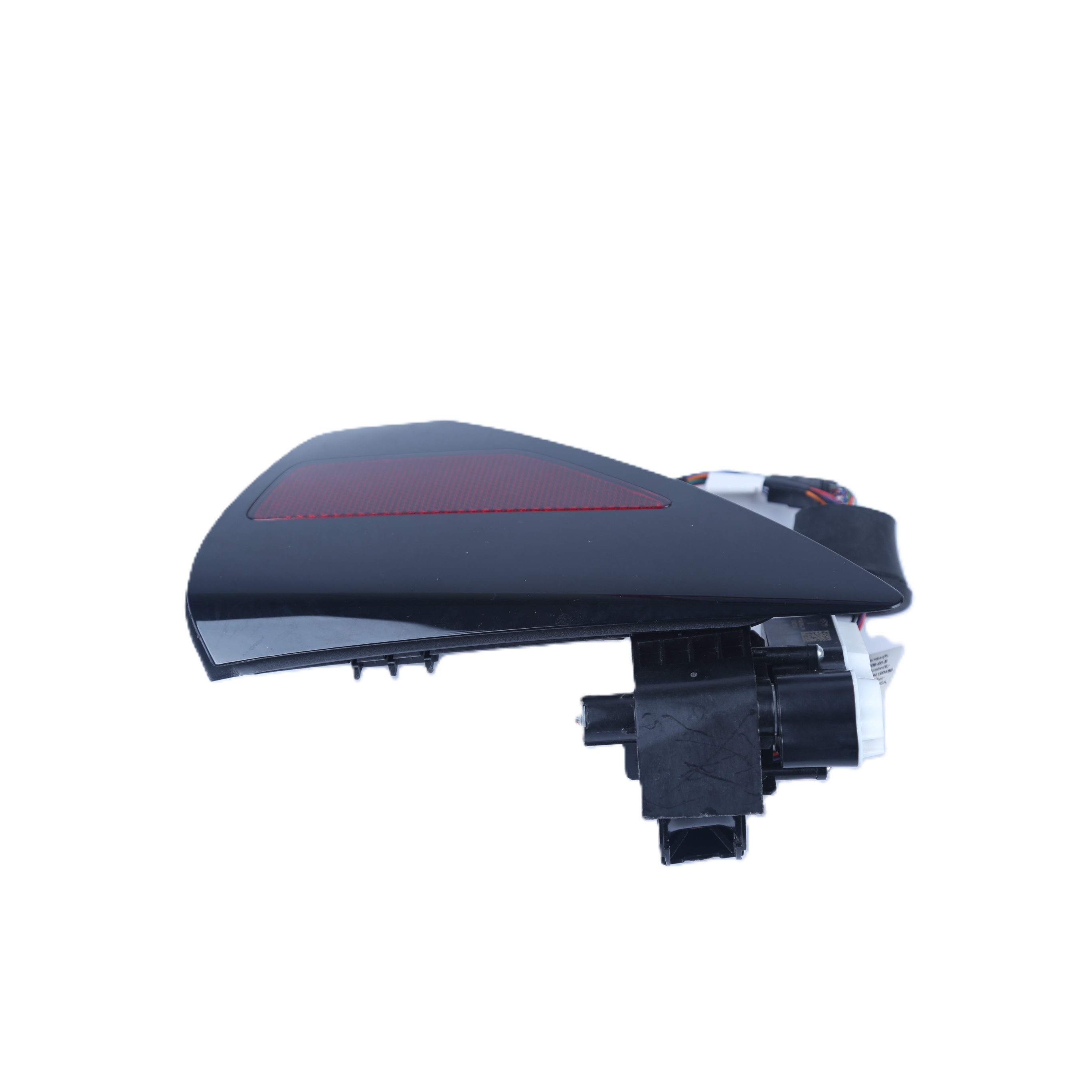
Dimensional accuracy stands as the cornerstone of modern automotive body panel system manufacturing, directly influencing vehicle safety, structural integrity, aesthetic appeal, and production efficiency. In an industry where tolerances are measured in fractions of a millimeter, even minor deviations in body panel dimensions can cascade into significant quality issues, assembly complications, and costly recalls. The automotive body panel system comprises interconnected components that must fit together with precision to ensure proper aerodynamics, crash performance, and long-term durability. Manufacturers investing in high-precision molding technologies and rigorous quality control protocols recognize that dimensional accuracy is not merely a technical specification but a fundamental business imperative that affects brand reputation, warranty costs, and customer satisfaction across the entire vehicle lifecycle.
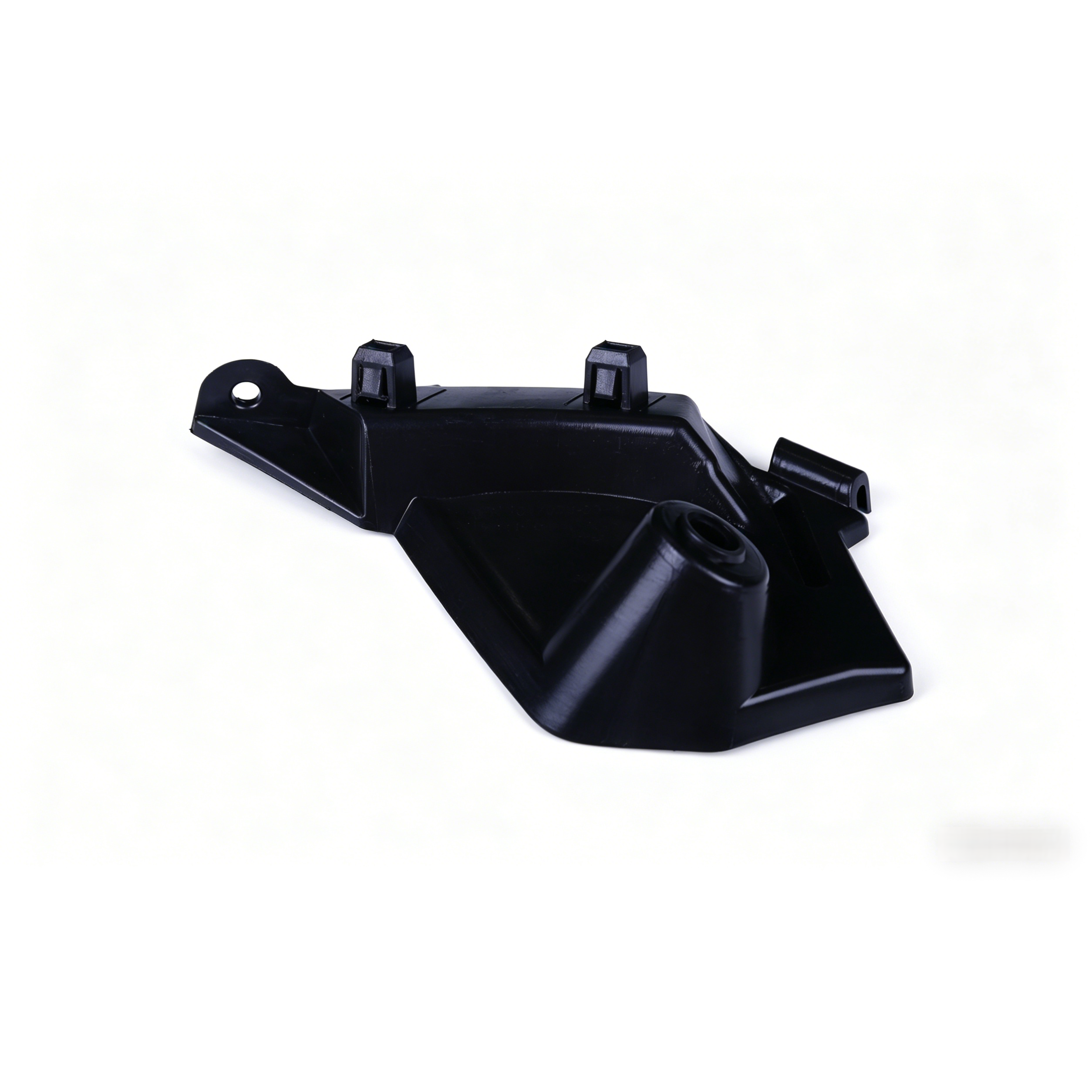
The importance of dimensional accuracy in automotive body panel system production extends far beyond simple fit and finish considerations. When body panels deviate from engineered specifications, the consequences ripple through assembly lines, service centers, and ultimately to end users who experience compromised vehicle performance. Precision manufacturing ensures that fenders, bumpers, doors, hoods, and quarter panels align perfectly with mounting points, maintain consistent gap tolerances, and preserve the structural crumple zones designed to protect occupants during collisions. Modern vehicle architectures demand increasingly tight dimensional control as manufacturers integrate advanced driver assistance systems, radar sensors, and aerodynamic features that depend on exact panel positioning. Understanding why dimensional accuracy matters in automotive body panel system manufacturing reveals the complex interplay between engineering requirements, manufacturing capabilities, quality assurance protocols, and the economic realities of mass production in a globally competitive automotive market.
The Engineering Foundation of Dimensional Precision Requirements
Structural Integrity and Crash Safety Performance
The automotive body panel system serves critical structural functions beyond mere appearance, acting as integral components of the vehicle's safety cage and energy absorption zones. Dimensional accuracy directly impacts how body panels contribute to crash energy management during collisions. When panels are manufactured to precise specifications, they align correctly with reinforcement structures, mounting brackets, and crumple zone geometries engineered through extensive computer simulations and physical crash testing. Deviations as small as two millimeters can alter the intended deformation patterns during impact events, potentially compromising occupant protection by redirecting crash forces in unintended directions or creating stress concentrations that lead to unpredictable failure modes.
Engineering teams design automotive body panel systems with specific material thicknesses, bend radii, and mounting locations that work in concert to achieve target crash test ratings. Manufacturing processes must replicate these dimensions consistently across thousands of units to ensure every vehicle meets safety standards. Front bumper assemblies, for instance, require precise positioning to align with impact sensors and maintain proper clearance for radar systems while ensuring the bumper beam sits at the correct height to engage with crash test barriers. The relationship between dimensional accuracy and structural performance becomes especially critical in modern lightweight vehicle designs where manufacturers substitute traditional steel panels with aluminum or composite materials that offer less margin for dimensional error while maintaining equivalent safety performance.
Assembly Line Efficiency and Production Economics
Manufacturing facilities operate on carefully choreographed assembly sequences where each station expects components to arrive within narrow dimensional tolerances. The automotive body panel system must integrate seamlessly with hundreds of other components during vehicle assembly, and dimensional inaccuracies create bottlenecks that slow production rates and increase labor costs. When body panels fail to align properly with mounting fixtures, assembly workers must spend additional time adjusting, forcing, or reworking the installation, which reduces throughput and introduces quality variability. Automated assembly robots programmed to specific coordinates cannot accommodate dimensional variations beyond their tolerance bands, leading to production stoppages and requiring manual intervention that defeats the efficiency gains of automation.
The economic impact of dimensional inaccuracy extends beyond direct assembly costs to affect inventory management, warranty expenses, and brand reputation. Parts that consistently fall outside dimensional specifications generate higher scrap rates, requiring manufacturers to produce additional units to meet demand while absorbing material and processing costs for rejected components. Dimensional issues discovered after vehicle assembly may necessitate costly post-production corrections or field campaigns to address customer complaints about panel gaps, wind noise, or water leaks. Automotive suppliers who deliver dimensionally accurate body panel systems earn preferred vendor status and long-term contracts, while those with persistent quality issues face financial penalties, reduced order volumes, or complete replacement by competitors who demonstrate superior manufacturing control.
Aerodynamic Performance and Fuel Efficiency Impact
Vehicle aerodynamics depend heavily on the precise positioning and contour accuracy of exterior body panels, with dimensional variations directly affecting drag coefficients and consequently fuel economy or electric vehicle range. The automotive body panel system creates the vehicle's aerodynamic envelope, and engineers optimize every surface contour, panel transition, and underbody element to minimize air resistance. When manufacturing processes fail to maintain dimensional accuracy, panels may sit flush in some areas while creating steps or gaps in others, disrupting the carefully designed airflow patterns. Even minor surface irregularities or misaligned panel edges can trigger turbulent airflow that increases drag by measurable percentages, translating directly into reduced fuel economy or shorter electric range.
Computational fluid dynamics simulations used during vehicle development assume body panels will be manufactured to specified dimensions, with aerodynamic predictions becoming invalid when production parts deviate from design intent. Automakers investing millions in wind tunnel testing and aerodynamic optimization cannot realize the intended efficiency gains if manufacturing processes introduce dimensional variations that compromise surface quality. Modern vehicles increasingly incorporate active aerodynamic features such as adjustable grille shutters, deployable spoilers, and air curtain systems that require precise dimensional relationships between multiple body panels to function correctly. The automotive body panel system must maintain tight tolerances to ensure these active elements can move through their full range of motion without interference while achieving the intended aerodynamic effects.
Manufacturing Process Control and Quality Assurance Imperatives
Tooling Design and Injection Molding Precision
The foundation of dimensional accuracy in automotive body panel system production begins with tooling design and the capabilities of manufacturing equipment. Injection molding processes used for plastic bumper covers, fender liners, and other polymeric components require molds machined to tolerances tighter than the final part specifications to account for material shrinkage, thermal contraction, and process variability. Tool makers invest in advanced multi-axis CNC machining centers and coordinate measuring machines to create mold cavities that reproduce complex surface geometries with micron-level precision. The mold design must incorporate proper draft angles, cooling channel layouts, and gate locations that promote uniform material flow and minimize warpage in the finished automotive body panel system components.
Process parameters including injection pressure, melt temperature, cooling time, and pack pressure directly influence final part dimensions and must be optimized through systematic design of experiments. Manufacturers establish processing windows that deliver consistent dimensional results across varying ambient conditions, material lot variations, and normal equipment wear. Statistical process control methods monitor critical dimensions throughout production runs, triggering adjustments or tool maintenance when measurements begin trending toward specification limits. High-precision molding facilities maintain environmental controls to stabilize temperature and humidity, recognizing that even minor environmental variations can affect material properties and dimensional stability in the automotive body panel system during and after manufacturing.
Measurement Technology and Dimensional Verification
Ensuring dimensional accuracy requires comprehensive measurement strategies that verify automotive body panel system components meet specifications before they reach assembly operations. Modern quality laboratories employ coordinate measuring machines, laser scanners, and optical measurement systems capable of capturing millions of data points across complex three-dimensional surfaces. These technologies compare as-manufactured parts against digital CAD models, generating color-coded deviation maps that highlight areas exceeding tolerance bands. Measurement frequency balances the need for statistical confidence with inspection costs, typically employing sampling plans based on production volumes and historical capability data.
In-line measurement systems integrated directly into production equipment provide real-time dimensional feedback, enabling immediate process corrections before significant quantities of non-conforming parts accumulate. Vision systems verify critical features such as mounting hole locations, edge profiles, and surface contours without requiring manual handling that could introduce measurement errors or slow production rates. Measurement uncertainty analysis ensures that inspection equipment possesses sufficient resolution and accuracy to make valid accept-reject decisions relative to part tolerances. The automotive body panel system often includes features with bilateral tolerances measuring plus or minus one millimeter or less, demanding measurement systems with capabilities at least ten times finer than the tolerance being verified to avoid false acceptance of marginal parts or unnecessary rejection of acceptable components.
Material Selection and Environmental Stability
The dimensional stability of automotive body panel system components depends significantly on material selection and formulation, with different polymer chemistries exhibiting varying degrees of dimensional consistency under thermal cycling, humidity exposure, and mechanical stress. Engineering thermoplastics such as polypropylene, ABS, and polycarbonate blends offer different shrinkage rates, coefficients of thermal expansion, and creep resistance that manufacturers must account for when establishing dimensional specifications. Material suppliers work closely with automotive manufacturers to develop formulations optimized for dimensional stability while meeting other requirements including impact resistance, UV stability, and paintability.
Post-molding dimensional changes represent a significant challenge for automotive body panel system manufacturers, as parts may appear dimensionally acceptable immediately after production but shift outside tolerances during subsequent cooling, storage, or exposure to service conditions. Accelerated aging protocols simulate years of environmental exposure in compressed timeframes, validating that production processes deliver parts maintaining dimensional accuracy throughout the vehicle's intended service life. Glass fiber reinforcement commonly added to improve stiffness can introduce anisotropic shrinkage patterns if fiber orientation is not carefully controlled during molding, creating warpage that affects dimensional accuracy. Understanding the complex interactions between material properties, processing conditions, and environmental factors enables manufacturers to design robust processes that consistently deliver dimensionally accurate automotive body panel system components regardless of normal production variability.
Integration Challenges with Advanced Vehicle Technologies
Sensor Compatibility and ADAS Functionality
Modern vehicles incorporate numerous sensors within and behind body panels to enable advanced driver assistance systems including adaptive cruise control, automatic emergency braking, blind spot monitoring, and parking assistance. The automotive body panel system must accommodate radar units, cameras, ultrasonic sensors, and lidar systems while maintaining precise dimensional relationships that ensure these technologies function reliably. Radar sensors typically mounted behind front and rear bumper covers require specific panel thickness, material formulation, and dimensional accuracy to avoid signal attenuation or distortion that could compromise system performance. Even minor dimensional variations that create uneven panel thickness or alter the distance between sensor and bumper surface can degrade detection range or introduce false readings.
Dimensional accuracy becomes especially critical for body panels incorporating sensor mounting brackets or alignment features that position sensors at specific angles relative to the vehicle reference plane. Millimeter-level errors in bracket location or mounting surface flatness can cause sensor misalignment that places the detection zone too high, too low, or angled incorrectly, creating blind spots or triggering nuisance warnings. The automotive body panel system must maintain dimensional stability across the full temperature range from arctic cold to desert heat, ensuring sensors remain properly aligned regardless of thermal expansion or contraction. Manufacturers validate sensor integration through extensive testing protocols that verify system functionality with production-representative body panels rather than idealized prototypes, catching dimensional issues before they affect vehicle performance in customer hands.
Electrification and Battery Integration Requirements
The transition to electric vehicles introduces new dimensional accuracy requirements for automotive body panel system components that must integrate with battery enclosures, charging ports, and thermal management systems. Underbody panels and battery shields require precise dimensional control to maintain proper ground clearance while protecting high-voltage components from road debris and water intrusion. Sealing surfaces around battery compartments demand tight tolerances to ensure gaskets compress uniformly and maintain waterproof integrity throughout the vehicle's service life. Dimensional inaccuracies that create gaps or misalignment in these critical sealing zones can allow moisture ingress that corrodes electrical connections or damages battery cells, creating safety hazards and warranty liabilities.
Charging port doors and surrounding body panels must align precisely to present a professional appearance while ensuring the charging connector can mate reliably with charging cables. Dimensional variations that affect the angle or position of the charging port relative to mounting points can create situations where certain charger designs fail to connect properly or where weather seals do not seal correctly when the port door closes. The automotive body panel system for electric vehicles often incorporates additional features such as active grille shutters for thermal management and aerodynamic panels covering battery packs that require coordinated dimensional accuracy across multiple components. These integration challenges demand tighter manufacturing tolerances and more sophisticated quality control protocols than traditional internal combustion vehicles, raising the stakes for dimensional accuracy throughout the production process.
Paint Quality and Visual Appearance Standards
Dimensional accuracy directly influences paint quality and the visual appearance of finished vehicles, with surface irregularities, panel misalignment, and gap inconsistencies creating quality defects immediately visible to customers. The automotive body panel system must provide smooth, uniform surfaces that allow paint to flow evenly and cure without creating orange peel texture, waviness, or other appearance issues. Dimensional deviations that create steps between adjacent panels or uneven gaps around doors and closures disrupt the clean lines designers intended and create the impression of poor build quality even when vehicles meet all functional requirements. Premium vehicle segments demand especially tight dimensional control to justify higher price points, with luxury buyers expecting flawless panel alignment and uniform gaps measuring just three to four millimeters.
Surface preparation and painting processes cannot compensate for underlying dimensional inaccuracies in body panels, as attempts to fill gaps or smooth transitions with body filler or excessive primer create weak points prone to cracking and introduce additional quality risks. Dimensional accuracy ensures the automotive body panel system presents optimal surfaces for automated painting equipment, with proper panel positioning allowing paint guns and electrostatic application systems to maintain consistent standoff distances and coverage angles. Variations in panel contours or mounting positions can create areas with insufficient paint thickness that corrode prematurely or regions with excessive buildup that runs or sags. The visual quality customers judge when evaluating vehicles derives directly from the dimensional accuracy achieved during body panel manufacturing, making precision a key differentiator in competitive automotive markets.
Supply Chain Coordination and Global Manufacturing Considerations
Tolerance Stack-Up Management Across Multiple Suppliers
Automotive body panel system components typically originate from multiple suppliers located across different regions, creating coordination challenges to ensure all parts work together despite accumulated tolerances. Each component carries individual dimensional tolerances that combine when parts assemble into complete systems, requiring careful tolerance stack-up analysis to prevent interference or excessive gaps at final assembly. Engineering teams must allocate dimensional budgets across the supply base, ensuring no single component consumes the entire available tolerance band while leaving no margin for normal manufacturing variation in other parts. This coordination becomes especially challenging when the automotive body panel system includes components manufactured using different processes such as stamped metal reinforcements, injection molded covers, and extruded trim pieces, each with characteristic dimensional capabilities.
Global sourcing introduces additional dimensional accuracy challenges as parts manufactured in different countries must meet identical specifications despite variations in measurement standards, quality practices, and manufacturing equipment. Automotive manufacturers establish detailed supplier quality requirements that define dimensional verification methods, measurement frequency, and reporting protocols to ensure consistent interpretation of specifications across the supply chain. Regular audits verify that suppliers maintain calibrated measurement equipment and follow approved inspection procedures, catching dimensional drift before it creates assembly issues. The automotive body panel system depends on coordinated dimensional management across the entire supply network, with strong supplier relationships and transparent communication enabling rapid resolution of dimensional issues while maintaining production schedules.
Dimensional Consistency Across Model Years and Product Refreshes
Maintaining dimensional consistency across model years ensures that replacement parts fit vehicles manufactured over extended production runs, a critical consideration for service networks supporting vehicles throughout their typical fifteen-year service lives. The automotive body panel system must replicate dimensions faithfully year after year despite changes in suppliers, manufacturing locations, or material formulations that occur during normal production lifecycle management. Dimensional master references preserved in climate-controlled archives provide baseline standards against which current production parts are compared, verifying that tooling wear, process changes, or material substitutions have not introduced unacceptable dimensional drift over time.
Mid-cycle product refreshes that update vehicle styling while retaining major structural components create particular dimensional accuracy challenges, as new body panels must integrate with carry-over parts designed years earlier. Engineering teams must carefully manage dimensional interfaces between new and existing components, ensuring that updated bumper designs mate correctly with unchanged fender mounting points or that restyled door panels align properly with carry-over door frames. The automotive body panel system represents a complex dimensional network where changes to individual components ripple through adjacent parts, requiring comprehensive validation to confirm that localized updates do not create assembly issues or compromise the coordinated function of interconnected panels. This long-term dimensional consistency demands disciplined change management and robust documentation systems that preserve critical dimensional information throughout vehicle production lifecycles.
Cost-Quality Balance in Dimensional Tolerance Specification
While tighter dimensional tolerances improve fit, finish, and functional performance, they also increase manufacturing costs through more expensive tooling, longer cycle times, higher scrap rates, and more intensive inspection requirements. Automotive engineers must balance dimensional accuracy requirements against cost targets, specifying tolerances tight enough to ensure quality but no tighter than necessary to avoid unnecessary expense. The automotive body panel system includes features with varying sensitivity to dimensional variation, allowing strategic tolerance allocation that applies tighter control to critical dimensions while relaxing tolerances on features with minimal functional impact. This risk-based approach to dimensional specification optimizes manufacturing costs while ensuring the vehicle meets all performance, safety, and appearance requirements.
Cost modeling tools help engineers quantify the economic impact of different tolerance schemes, comparing the incremental manufacturing cost of tighter specifications against the potential savings from reduced warranty claims, fewer assembly adjustments, and improved customer satisfaction. The optimal dimensional accuracy for automotive body panel system components varies depending on vehicle segment, with luxury vehicles justifying tighter tolerances through higher transaction prices while economy vehicles require less stringent control to meet aggressive cost targets. Manufacturing capability assessments evaluate whether production processes can reliably achieve proposed tolerances without extraordinary measures, avoiding specifications that look achievable on paper but prove impractical in volume production. This disciplined approach to dimensional tolerance management ensures that quality standards reflect genuine customer requirements rather than arbitrary precision for its own sake, maximizing value while controlling costs.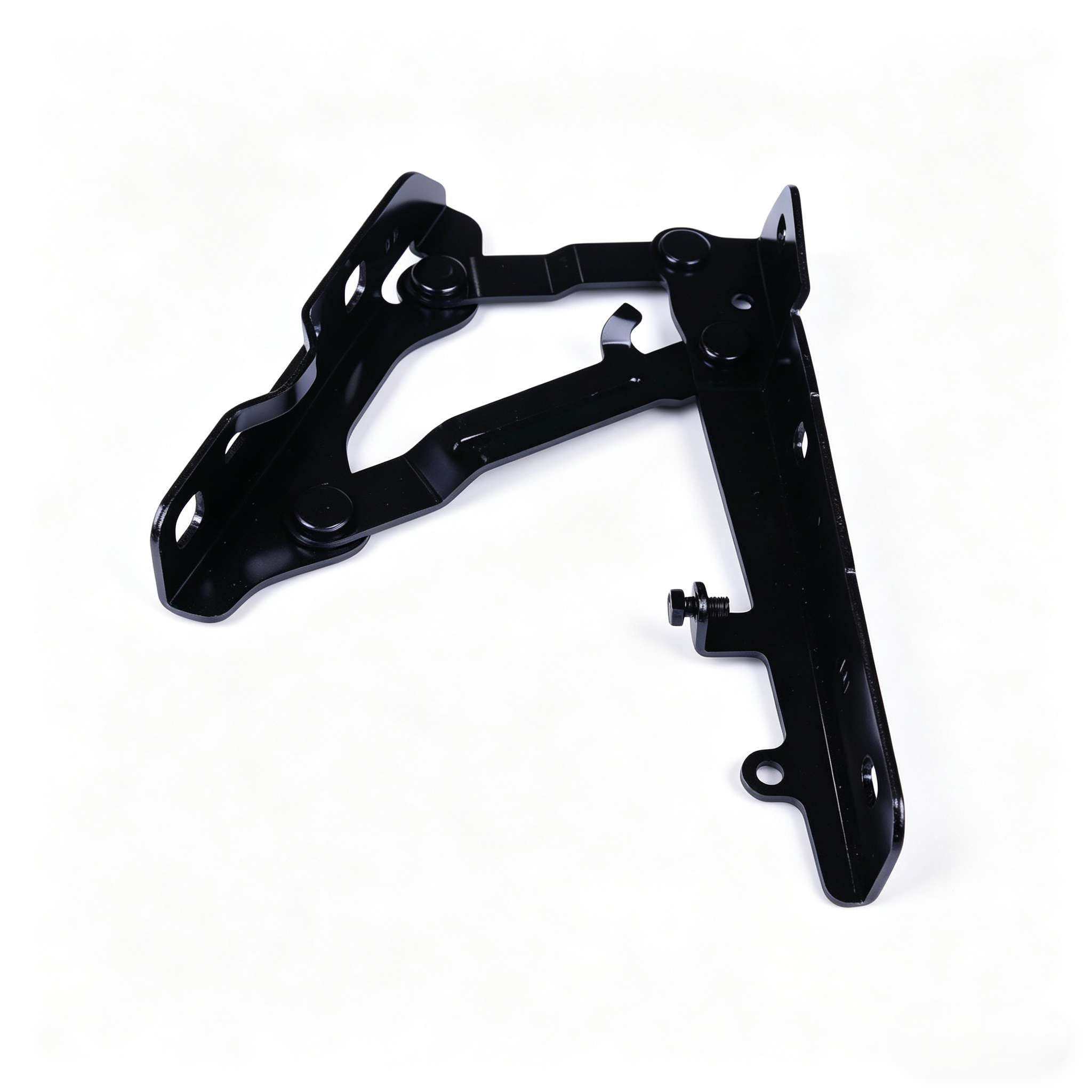
FAQ
How does dimensional accuracy affect vehicle safety ratings?
Dimensional accuracy in the automotive body panel system directly impacts crash test performance and safety ratings by ensuring body panels align correctly with structural reinforcements and crumple zones. When panels deviate from specifications, they may alter intended energy absorption patterns during collisions, potentially reducing occupant protection. Precise dimensional control ensures that mounting points, bracket locations, and panel contours match the engineered crash performance validated through extensive testing. Safety regulatory bodies evaluate vehicles with production-representative parts, meaning dimensional inconsistencies discovered after certification could affect ratings and require costly remediation campaigns.
What measurement technologies ensure dimensional accuracy during production?
Modern automotive body panel system manufacturing employs coordinate measuring machines, laser scanners, and optical measurement systems that capture detailed dimensional data across complex three-dimensional surfaces. In-line measurement integrated into production equipment provides real-time feedback enabling immediate process corrections, while laboratory systems perform comprehensive validation of critical features. Vision systems verify mounting hole locations and edge profiles without manual handling, maintaining production speed while ensuring quality. Measurement uncertainty analysis confirms that inspection equipment possesses sufficient resolution relative to part tolerances, typically requiring measurement capability at least ten times finer than the tolerance being verified to ensure reliable accept-reject decisions.
Can dimensional accuracy issues be corrected after vehicle assembly?
Correcting dimensional accuracy problems after vehicle assembly proves extremely difficult and expensive, as body panels are integrated with numerous other components during the assembly sequence. Post-assembly corrections typically require disassembly of multiple parts to access and replace dimensionally defective panels, consuming significant labor hours and risking damage to adjacent components. Some minor dimensional issues such as panel gaps may be addressed through adjustment of mounting hardware or selective shimming, but fundamental dimensional errors in the automotive body panel system itself cannot be corrected without part replacement. This reality emphasizes the critical importance of achieving dimensional accuracy during initial manufacturing rather than attempting downstream corrections that compromise production efficiency and quality.
How do material choices affect dimensional stability over time?
Material selection significantly influences long-term dimensional stability of automotive body panel system components, with different polymer formulations exhibiting varying resistance to thermal cycling, UV exposure, and mechanical stress. Engineering thermoplastics such as polypropylene and ABS offer different shrinkage characteristics and coefficients of thermal expansion that manufacturers must account for when establishing dimensional specifications. Glass fiber reinforcement improves stiffness but can introduce anisotropic shrinkage if fiber orientation is not controlled during molding. Accelerated aging protocols simulate years of environmental exposure to validate that materials maintain dimensional accuracy throughout the vehicle's service life, ensuring panels do not warp or distort under normal operating conditions. Material suppliers collaborate with manufacturers to develop formulations optimized for dimensional stability while meeting requirements for impact resistance, weather resistance, and surface finish quality.