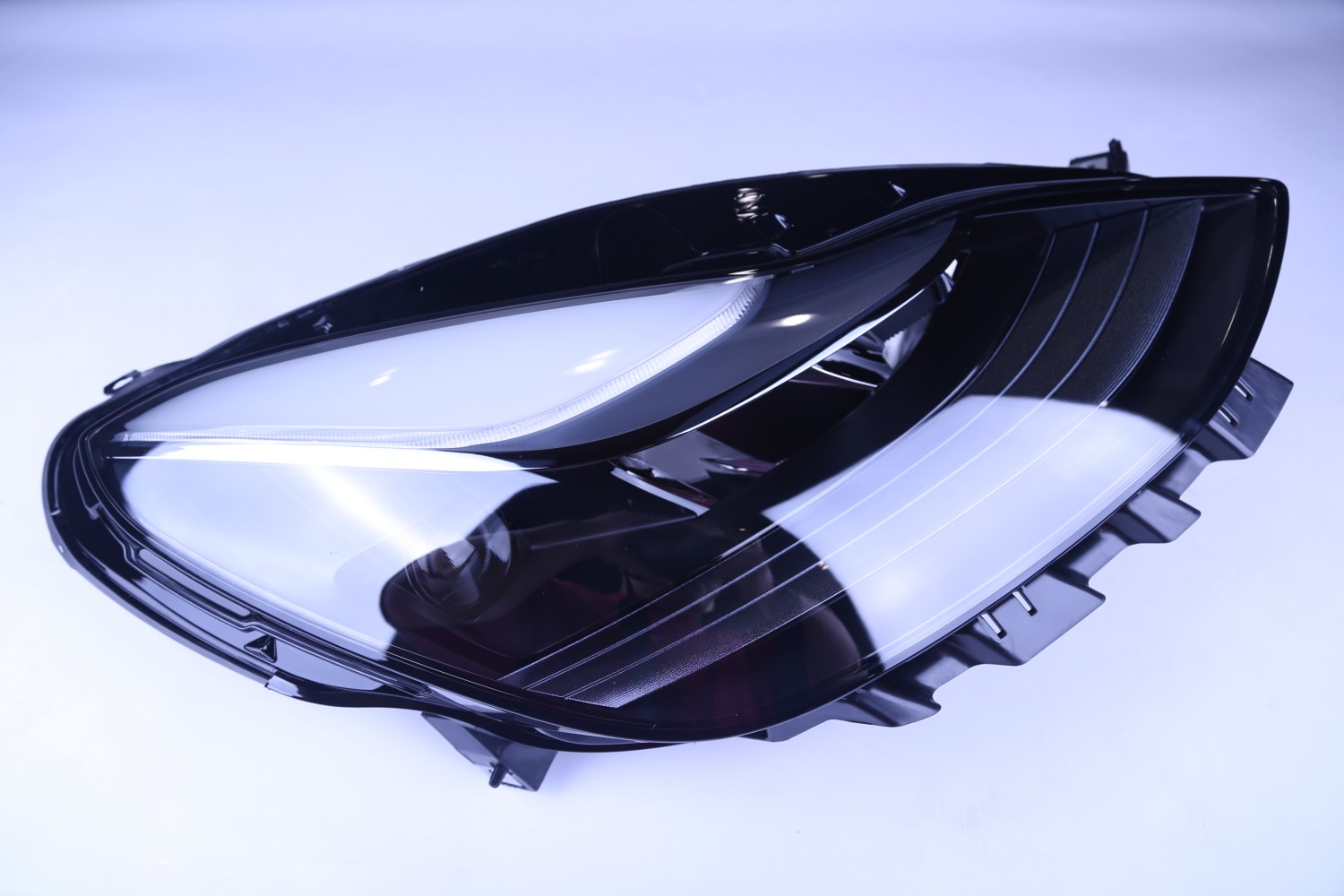
قطعات اتومبیل باپر
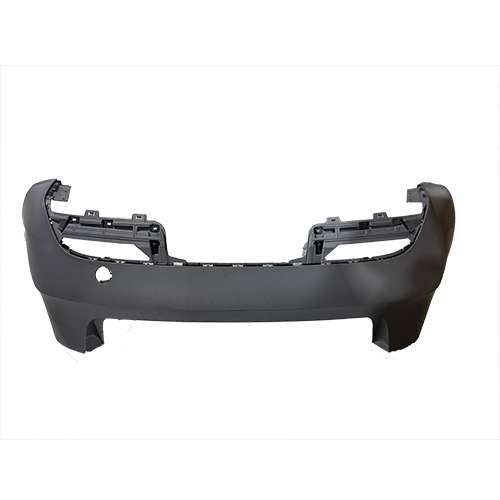
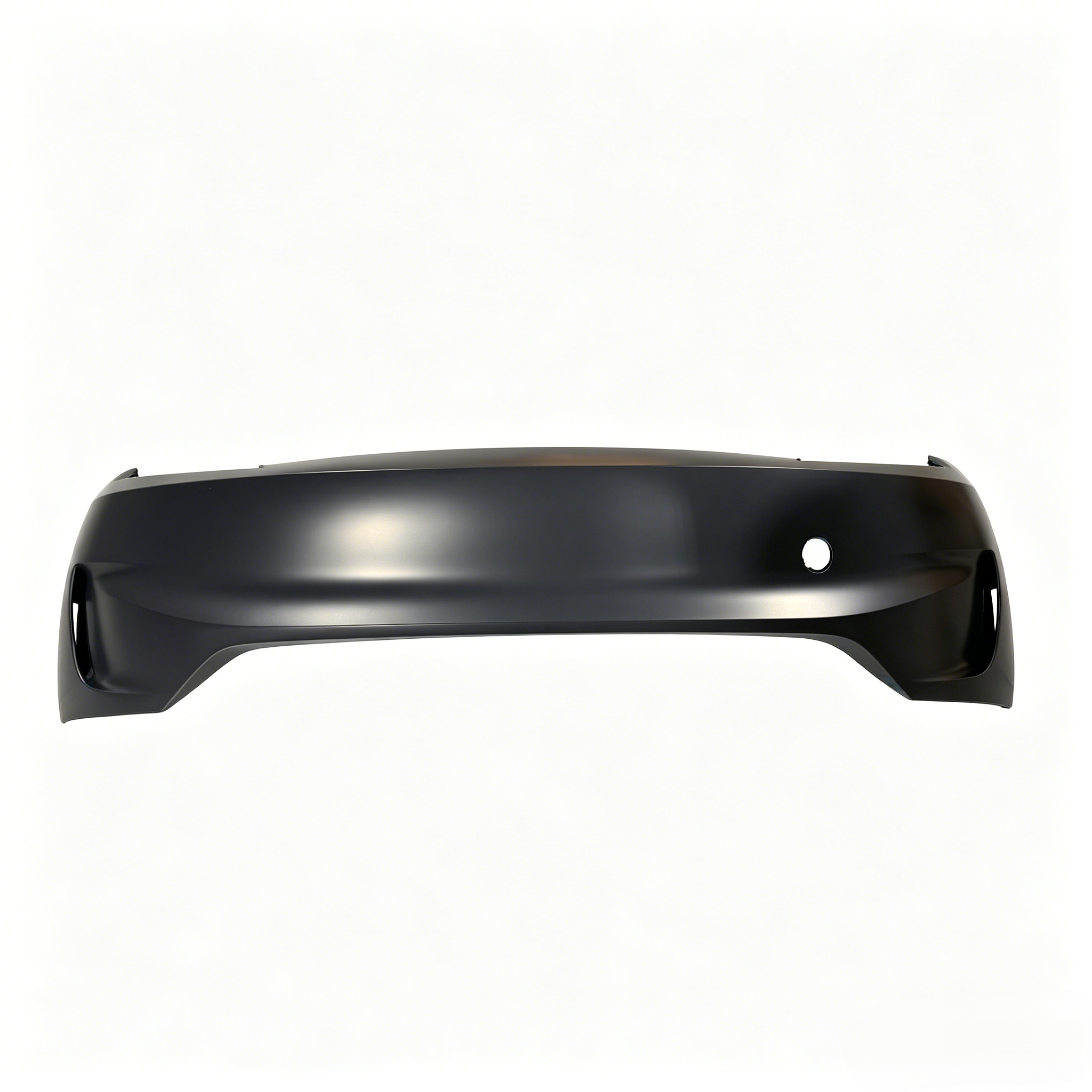
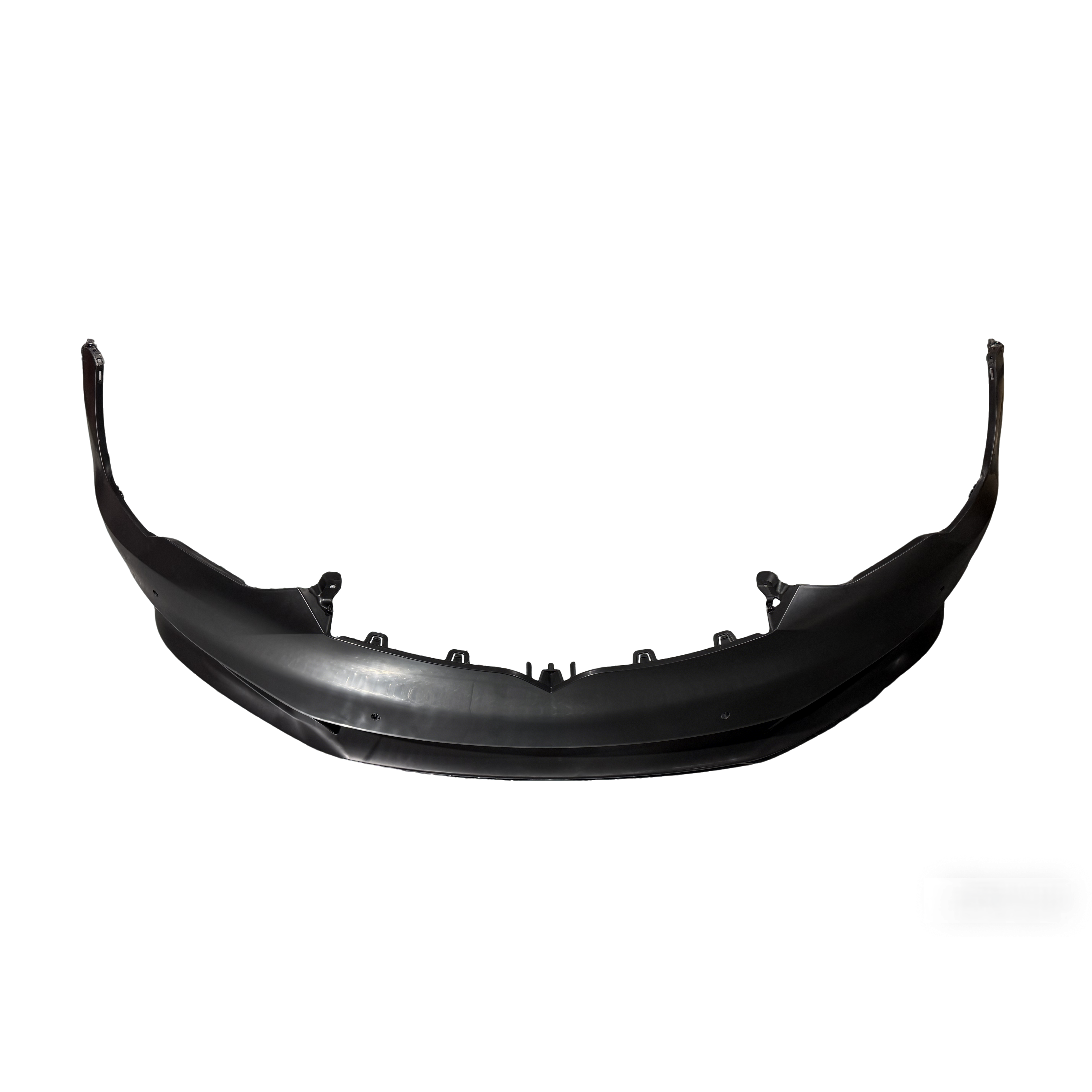
قطعات خودرویی بامپر یکی از مهمترین اجزای ایمنی و زیبایی در طراحی مدرن خودروها محسوب میشوند و بهعنوان خط اول دفاع در حفاظت از سرنشینان و ساختار خودرو عمل میکنند. این اجزای ضروری خودرو با هدف جذب انرژی برخورد در حین تصادفات، حداقلسازی آسیب به سیستمهای حیاتی خودرو و کاهش هزینههای تعمیر پس از حادثه، با دقت مهندسی شدهاند. قطعات مدرن بامپر خودرو با ترکیب علم مواد پیشرفته و اصول مهندسی پیچیده، عملکرد استثنایی را در چندین دسته عملکردی فراهم میکنند. عملکرد اصلی این قطعات بر جذب برخورد و پراکندن انرژی در تصادفات سرعت پایین (معمولاً در سرعتهای کمتر از پانزده مایل در ساعت) متمرکز است. با این حال، این اجزا بهصورت کنترلشده فشرده میشوند تا نیروهای برخورد را از محفظه سرنشینان و سیستمهای مکانیکی حیاتی دور کنند. علاوه بر ملاحظات ایمنی، قطعات بامپر خودرو نقش قابلتوجهی در آیرودینامیک خودرو، بهرهوری سوخت و ظاهر کلی آن ایفا میکنند. طرحهای مدرن شامل جعبههای یکپارچه حسگر برای سیستمهای کمک به پارکینگ، محلهای نصب دوربین برای فناوریهای دید عقب و دید اطراف، و نقاط نصب چراغهای ضد مه و سایر تجهیزات نوری کمکی هستند. ویژگیهای فناورانه موجود در قطعات مدرن بامپر خودرو شامل مواد ساختاری ترموپلاستیک هستند که انعطافپذیری و مقاومت برخوردی بالاتری نسبت به طرحهای سنتی فولادی ارائه میدهند، ساختارهای عسلی جاذب انرژی که بازده فشردگی را به حداکثر میرسانند، و طرحهای ماژولار که امکان تعمیر و تعویض آسانتر را فراهم میکنند. این اجزا باید در برابر تغییرات شدید دما مقاومت کنند، در برابر تخریب ناشی از اشعه فرابنفش مقاوم باشند، در طول سالها در معرض ذرات راه و آلایندههای محیطی، استحکام ساختاری خود را حفظ کنند و استانداردهای سختگیرانه فدرال ایمنی را برآورده سازند. کاربردهای قطعات بامپر خودرو در تمام دستههای خودرو، از خودروهای سبک شخصی تا کامیونهای سنگین تجاری، گسترده است؛ هر کدام از این کاربردها ویژگیهای عملکردی خاصی را متناسب با وزن خودرو، الگوی استفاده مورد نظر و فلسفه طراحی سازندهها طلب میکند. تحولات فناوری بامپر بهطور مداوم با ادغام سیستمهای ایمنی فعال و توسعه موادی که بین کاهش وزن و افزایش قابلیتهای محافظتی تعادل برقرار میکنند، در حال پیشرفت است.





 EN
EN