EN
EN



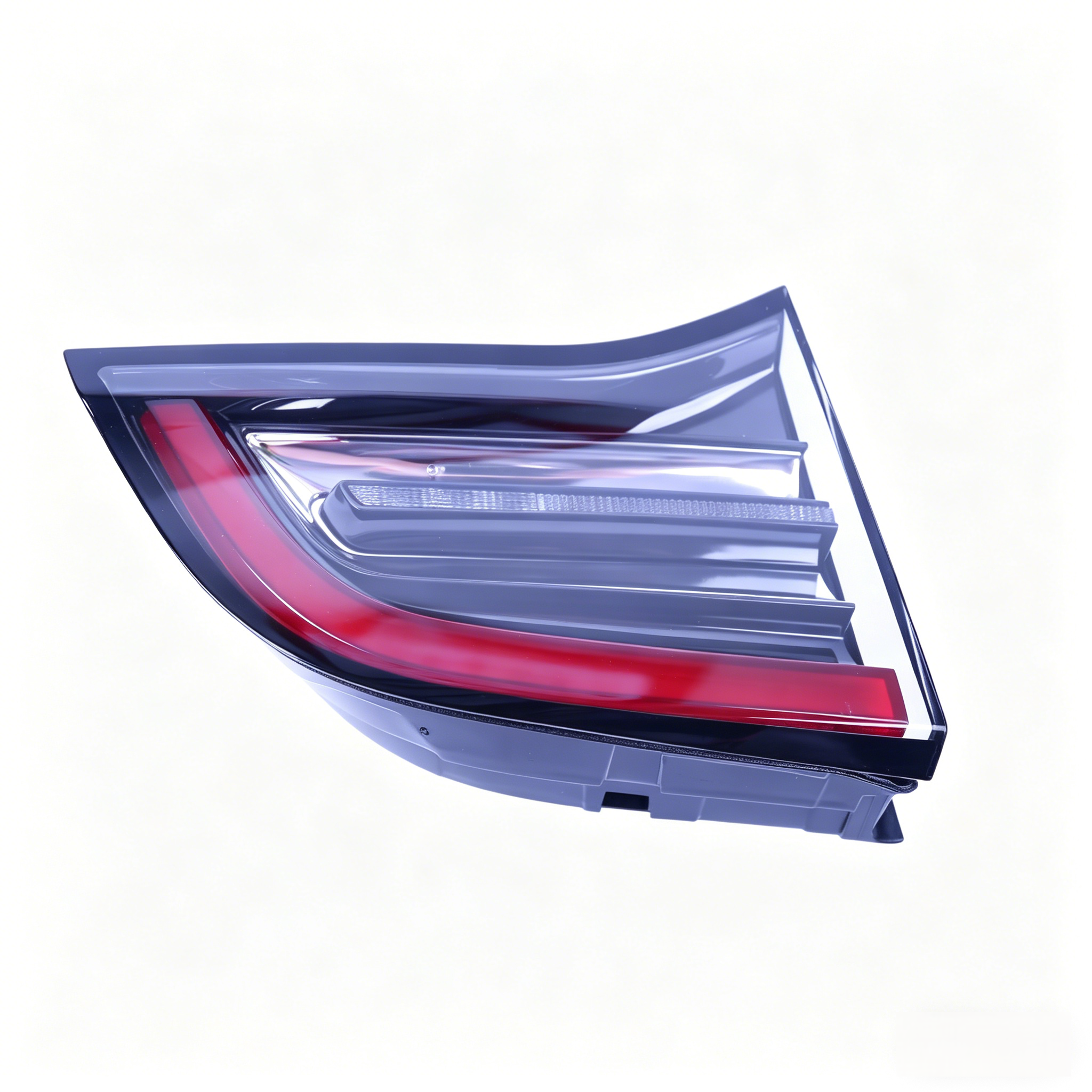
מערכת האור ברכב מייצגת הרבה יותר מדרישה רגולטורית או תכונה אסתטית ברכבים מודרניים. כשמ изготовנים מחזקים את המיקוד שלהם בכفاءת אנרגטית כדי לעמוד בתקנות קשיחות לפליטות ובדרישות הצרכנים לטווח נסיעה מוארך, טכנולוגיית האור עלה למרכז הבמה כאחד המשתנים הקריטיים במשוואה של צריכת האנרגיה. הבנת ההשפעה המעשית של מערכות האור ברכב על כفاءת האנרגיה של הרכבים דורשת בחינה של הקשר המורכב בין טכנולוגיית האירוס, הארכיטקטורה החשמלית, ניהול החום ותנאי הפעולה במציאות – כל אלה קובעים יחדיו האם מערכת האור הופכת למקור אנרגיה יעיל או לנטל אנרגטי.
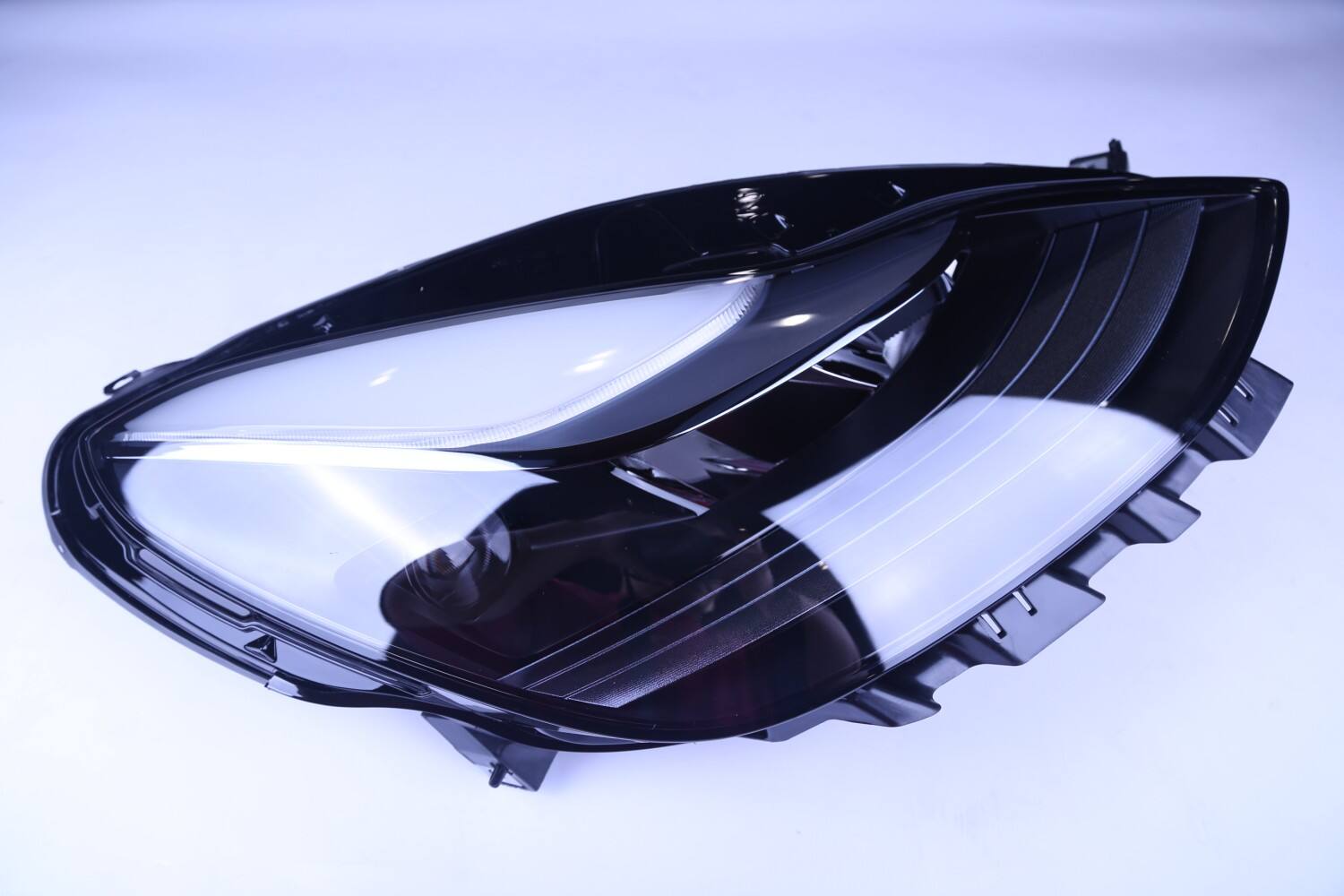
במציאות, ההשפעה האנרגטית של תאורת הרכב משתרעת מעבר לדרוגי הווטים הפשוטים המודפסים על דפי المواصفות. ההשפעה האמיתית מתגלה דרך מסלולים מרובים, כולל צריכה חשמלית ישירה, תבניות עומס על המנורה, פיזור אנרגיה תרמית המשפיע על דרישות בקרת האקלים, וההשפעות המשלשלות על ניהול הסוללה ברכבים חשמליים והיברידיים. עבור רכבים קונבנציונליים בעלי מנוע בעירה פנימית, דרישות האנרגיה לתאורה מתורגמות לצריכה מוגדלת של דלק בשל העבודה הנוספת שמבצעת המנורה, בעוד שברכבים חשמליים כל ווט שנצרך על ידי התאורה מקטין באופן ישיר את טווח הנהיגה הזמין. מציאות זו הפכה את עיצוב מערכת התאורה ברכב מאלמנט בטיחותי פסיבי למשתתף פעיל באסטרטגיה הרחבה יותר لإدارة האנרגיה ברכב.
תבניות צריכה חשמלית ישירה של טכנולוגיות תאורת רכב
מאפייני צריכת הכוח של תאורת הלוגן הקלאסית
מערכות תאורה רכבית מבוססות הלוגן ממשיכות לשלוט ברכבים ישנים יותר ומייצגות את הנקודה להשוואה בה מודדים טכנולוגיות מודרניות מבחינת יעילות אנרגטית. ערכה של נורת הלוגן טיפוסית במערכת תאורה קדמית היא בין חמישים וחמש למישים וחמש וואט לכל נורה במצב קרן נמוכה, ובין שבעים לתשעים וואט במצב קרן גבוהה. כאשר לוקחים בחשבון גם את שתי הנורות הקדמיות, הנורות האחוריות, הסימנים הצדדיים והתאורה של לוח המחוונים, מערכת התאורה הרכבית המבוססת הלוגן כולה עלולה למשוך בין מאה חמישים לשני מאות חמישים וואט בתנאי נהיגה לילית רגילים. דרישה חשמלית מתמדת זו מפעילה עומס משמעותי על המניע החשמלי (אלטרנטור) של הרכב, אשר חייב לייצר כוח מכני נוסף מהמנוע כדי לשמור על מצב הטעינה של הסוללה.
אי-היעילות האנרגטית של טכנולוגיית ההלוגן נובעת ביסודו מהעקרון שלה פועלת, אשר מייצר אור באמצעות חימום התנגדותי של חוט וולפרם לטמפרטורות של הבהבה. בערך 90 אחוז מהאנרגיה החשמלית שסופקת נורה בהלוגן הופכת לחום במקום לאור נראה, מה שהופך מערכות אלו למבזבזות במיוחד במונחי יעילות תאורה טהורה. בתרחישים פרקטיים של נהיגה, אי-היעילות התרמית הזו מוסיפה לבעיה האנרגטית, מאחר שהחום שנוצר חייב להיבקר דרך עיצוב גוף הנורה והשסתום, ובמקרים מסוימים משפיע על היעילות האירודינמית. לרכב הפועל באקלים קריר, החום המיותר יכול לספק יתרונות זעירים בכך שמניע הצטברות של שלג וקרח על משטחי העדשה, אך יתרון זעיר זה כמעט ולא מצדיק את הסנקציה האנרגטית הכוללת.
יתרונות צריכת האנרגיה של טכנולוגיית LED
טכנולוגיית דיודות פולטות אור (LED) הרסה את המשוואה האנרגטית של מערכות الإضاءה לרכב, על ידי שינוי מהותי ביעילות ההמרה מאנרגיה חשמלית לאור שימושי. מערכת תאורה אוטומובילית מודרנית המבוססת על LED צורכת בדרך כלל בין חמישה עשר לשלושים וاط לכל יחידת ראש תאורה, עבור תפוקת אור שווה או טובה יותר בהשוואה למערכות הלווגן, מה שמייצג הפחתה של 60–70 אחוז בתצרוכת החשמל. שיפור דרמטי זה נובע מהפיזיקה של חצי המוליכים בתפעול ה-LED, שבה אנרגיה חשמלית מפעילה ישירות אלקטרונים כדי לייצר פוטונים, ללא צורך באינקרנסצנציה תרמית כשלב ביניים. התוצאה המעשית היא שמערכת תאורה מלאה מבוססת LED מערכת תאורה לרכב עשויה למשוך רק 70–120 וاط סה"כ במהלך פעילות לילית טיפוסית.
היתרונות ביעילות האנרגטית של מערכות תאורה אוטומטיביות LED מרחיקים מעבר לצריכת הספק הסטטית וכוללים מאפיינים תפעוליים דינמיים שמצמצמים עוד יותר את הצרכים האנרגטיים בעולם האמיתי. נורות ה-LED מגיעות לבהירות מלאה באופן מיידי, ללא תקופות חימום, ובכך מבטלות את בזבוז האנרגיה המועבר במהלך המעבר הנפוץ בטכנולוגיות נורות פליטה. מאפייני הפליטה הכיוונית שלהן מאפשרים עיצוב אופטי יעיל יותר, עם אובדן פחות אור עקב החזרה פנימית ובליעה במערכות המראות. בנוסף, משך חיים טיפוסי של נורות LED עולה על 20,000–50,000 שעות, לעומת 500–2,000 שעות עבור נורות הלוגן, מה שאומר שהאנרגיה המוטבעת והעלויות המשתייכות לייצור והחלפה מתפזרות על פני תקופות שירות ארוכות בהרבה. גורמים אלו מתאגדים כדי להפוך את טכנולוגיית ה-LED לסטנדרט הנוכחי לתאורה אוטומטיבית יעילה אנרגטית ביישומים פרקטיים.
פרופילי צריכת הספק של מערכות קסנון ו-HID
תאורת פליטה בעוצמה גבוהה, הידועה בדרך כלל כמערכות קסנון או HID, תופסת מקום אמצעי בטווח היעילות האנרגטית של טכנולוגיות תאורה רכבית. מערכת תאורה רכבית מסוג HID טיפוסית צורכת כ-35–42 וואט לכל מנורה במהלך פעולת מצב יציב, מה שמייצג שיפור משמעותי על פני מערכות הלוגן, אך נופלת ביעילות שלה ממערכת LED. עם זאת, הסיפור האנרגטי הפרקטי למערכות HID כולל ניואנסים חשובים המשפיעים על דפוסי הצריכה במציאות. במהלך שלב ההפעלה הראשונית והתחממות, הנמשך מספר שניות, הבלסטים של מערכות HID עלולים למשוך 75–100 וואט לכל מנורה בעת הקמת הזרם והיציבות שלו. גל הפעלה זה יוצר עומסים זמניים מרביים על המערכת החשמלית, אשר יכולים להשפיע על אסטרטגיות ניהול האנרגיה בכלל.
התכונות הפעולתיות של מערכות תאורה אוטומטית מסוג HID יוצרות שיקולים ספציפיים ליעילות האנרגיה בתרחישים פרקטיים של נהיגה. בניגוד לטכנולוגיית ה-LED שפועלת באופן מיידי, נורות HID דורשות תקופת חימום כדי להגיע לבrightness מלא וליציבות טמפרטורת הצבע, ובמהלך תקופה זו הן פועלות ביעילות מופחתת. האלקטרוניקה של הבלסט הנדרשת להפעלת ותחזוקת קשת הלהטיבה יוצרת אובדן המרה שמת RANGE בין עשרה לחמישה-עשרה אחוז, מה שמוסיף לנטל האנרגיה של המערכת. בנוסף, מערכות HID מייצרות כמות גדולה של חום שדורשת ניהול תרמי דרך עיצוב הסדנה והשסתום, ויוצרת השפעות אנרגטיות משניות אפשריות דרך גרר אווירודינמי או אינטראקציה עם מערכות ה-VAC. למרות מגבלות אלו, טכנולוגיית HID הייתה התקדמות משמעותית בעת הוצאתה לשווקים ועדיין משרתת בצורה יעילה ביישומים שבהם היתרונות ביעילות האנרגיה של מערכות LED אינם מצדיקים את עלותן ההתחלתית הגבוהה יותר.
השפעות של טעינת אלטרנטור והמרת אנרגיה מכנית
איך עומסי תאורה מתורגמים לדרישות הספק המנוע
השפעת מערכות האור ברכב על יעילות הצריכה האנרגטית של הרכב מתבטאת באופן ישיר ביותר ברכבים קונבנציונליים דרך עלייה בעומס על המנורה, אשר מוציאה כוח מכני מהמנוע. כאשר עומסי חשמל, כולל מערכות האור, דורשים זרם מהסוללה, המנורה חייבת להגביר את פליטתה על ידי יצירת שדה מגנטי חזק יותר שמפריע לסיבוב, ובכך יוצרת גרר פרזיטי על המנוע. הכוח המכני הנדרש להתגברות על התנגדות אלקטרומגנטית זו מגיע ישירות מאנרגיית הבעירה, ומייצר מסלול ישיר מצריכת החשמל של מערכת האור לצריכת הדלק. במונחים פרקטיים, כל קילוואט של הספק חשמלי שדורשת מערכת האור ברכב דורש כ-1.3 עד 1.5 קילוואט של הספק מכני מהמנוע, תוך התחשבות באובדי היעילות של המנורה.
גודל עונש האנרגיה הזה משתנה באופן משמעותי בהתאם לטכנולוגיית الإضاءה המשומשת ותנאי הנהיגה. מערכת תאורה רכבית מבוססת הלוגן שצורכת שני מאות וואט יוצרת עומס על המנורה שדורש כ-260–300 וואט של הספק מכני, אשר ביעילות מנוע טיפוסית מתורגמת לצריכת דלק מדידה. מחקרים מדעיים תיעדו עונשים בצירוף היעילות הדלקית שמהווים 0.1–0.3 ליטר לדלק לכל 100 קילומטרים כתוצאה מהפעלת מערכת התאורה המלאה ברכבים קונבנציונליים. אם כי ערך זה עשוי להיראות צנוע במונחים מוחלטים, הוא מייצג 2–4 אחוזים מצריכת הדלק הכוללת במהלך נהיגה על כבישים מהירים ואחוזים גבוהים יותר במהלך נהיגה בערים. ההשלכה המעשית היא שמערכת תאורה רכבית המתקדמת מהלוגן ל-LED יכולה לספק שיפור מדיד ביעילות הדלק, שמתווסף לאורך זמן חיים של הרכב ויוצר חסכונות משמעותיים.
התערבות של בלימה רגנרטיבית ברכבים היברידיים ואלקטרוניים
ברכבים היברידיים ואלקטרוניים, ההשפעה האנרגטית של מערכות الإضاءה האוטומוביליות עוברת את תחום הצריכה הפשוטה וכוללת אינטראקציות מורכבות עם מערכות הבלימה הריגנרטיבית שמשחזרות אנרגיה קינטית במהלך замלול. כאשר עומסים חשמליים גדולים כגון מערכות الإضاءה פועלים במהלך אירועים של בלימה, הם עלולים להפחית או לבטל לחלוטין את הקיבולת הזמינה לטעינה ריגנרטיבית, ובכך להמיר את אנרגיית הבלימה לחום בעומסי התנגדות במקום להחזיר אותה לסוללה כאנרגיה חשמלית מאוחסנת. תופעה זו מתרחשת משום שמערכת ניהול הכוח של הרכב נותנת עדיפות לאספקת דרישות חשמליות מיידיות לפני שהיא מפנה זרם לטעינת הסוללה, מה שאומר ש עומסי الإضاءה הגבוהים יכולים לעדוף את השחזור הריגנרטיבי בשלבים קריטיים של замלול.
המשמעות המעשית של הפרעה זו תלויה במידה רבה בתכונות צריכת הכוח של מערכת התאורה האוטומובילית ובדרגת המורכבות של אלגוריתמי ניהול האנרגיה ברכב. מערכת תאורה הалוגנית בעלת צריכה גבוהה, שצורכת 250 וואט במהלך נהיגה עירונית עם אירועים תכופים של בלימה, עלולה לפגוע באופן משמעותי בכفاءת ההחלפה, ויכולה להפחית את איסוף האנרגיה הכולל ב-10–20 אחוז במהלך פעילות לילית. מערכות תאורה אוטומוביליות מתקדמות מבוססות LED, שצורכות רק 70–100 וואט, יוצרות הפרעה מזערית בהשוואה, מה שמאפשר למערכות ההחלפה לאסוף חלק גדול יותר מהאנרגיה הזמינה שנוצרת במהלך הבלימה. בחלק מהרכבים החשמליים המתקדמים נמצאות מערכות ניהול תאורה חכמות שמעבירות דעיכה רגעית של תאורה שאינה קריטית בעת אירועים קיצוניים של החלפה, כדי למקסם את איסוף האנרגיה; עובדה זו מדגימה כיצד עיצוב מערכות התאורה מתמזג באופן הולך וגובר עם אסטרטגיות הניהול הרחבות של אנרגיית הרכב, ולא פועל כתת-מערכת מבודדת.
השלכות ניהול מצב הטעינה של הסוללה
הדרישה החשמלית הרציפה שמערכת ההטיה האוטומובילית יוצרת יוצרת אתגרים ספציפיים לניהול מצב הטעינה של הסוללה, אשר משפיעים על יעילות האנרגיה הכוללת של הרכבת דרך מסלולים מרובים. ברכבים קונבנציונליים עם סוללות עופרת-חמצן, עומסים מתמשכים של מערכות ההטיה במהלך נסיעות עירוניות קצרות עלולים למנוע מהסוללה להגיע למצב טעינה מלא, מה שמוביל לספטיציה ולנפילת הקיבולת, וכתוצאה מכך לירידה ביעילות המנורה כשתצטרך לפעול קשה יותר כדי לשמור על המתח בתנאי טעינה חלקיים. מחזור ההתדרדרות הזה מתגבר עם הזמן, ויוצר עלייה מתמדת בעומס המנורה והתייקרות מתאימה בצריכת הדלק, שמתפשטת מעבר לעונת האנרגיה הישירה של מערכת ההטיה.
לכלי רכב חשמליים והיברידיים קיימות אתגרי ניהול סוללות בולטים אף יותר, הקשורים לצריכת האנרגיה של מערכת ההטלה האוטומטית. הסוללות הטרקציה בעלות מתח גבוה ברכבים אלו חייבות לשמור על איזון תרמי ואיזון טעינה זהירים כדי למקסם את משך חייהן ואת ביצועיהן, וטעינות ההטלה משפיעות על דפוסי הטעינה והפריקה שקובעים את בריאות הסוללה. מערכת הטלה בעלת צריכה גבוהה מאריכה את משך ותדירות אירועים הטעינה הנדרשים לשמירה על הטווח, מה שמגביר את מחזורי הסוללה ומאיץ את הפחתת הקיבולת. בנוסף, אנרגיית ההטלה שנמשכת במהלך הנהיגה מקטינה ישירות את הטווח הזמין, ויוצרת חרדה מטווח נמוך שעלולה לגרום לנהגים לטעון בתדירות גבוהה יותר במצבים של טעינה גבוהה יחסית – דפוס המלחיץ עוד יותר את כימיה של הסוללה ומפחית את משך חייה. השפעות אלה המשולבות מראות כיצד יעילות האנרגיה של מערכת ההטלה האוטומטית משפיעה על הכלכלה של הרכב דרך מסלולים שמתפשטים רחוק מעבר לצריכת החשמל המיידית.
אינטראקציות בין מערכת ניהול החום למערכת ה-VAC
דרישות פיזור חום ואיזון חום קבינה
האנרגיה התרמית שנוצרת על ידי מערכות האילומינציה ברכב, ובמיוחד טכנולוגיות ההאלוגן הישנות, יוצרת השפעות משניות על יעילות האנרגיה דרך אינטראקציות עם מערכות ניהול החום והבקרה באקלים של הרכב. מערכת תאורה רכבית מבוססת הלוגן שפועלת ב-200 וואט עם המרה תרמית של 90% מייצרת כ-180 וואט של חום מתמיד שמתפשט לחללי מ compartment המנוע, ובמקרים של תאורה קדמית — גם לכיוון הקבינה דרך מחיצה המנוע והלוח הבקרה. במהלך פעילות בטמפרטורות גבוהות עם מזגן פעיל, עומס החום הנוסף הזה מגביר את העומס התרמי על מערכת ה-VAC, ודורש עבודה נוספת מהקומפרסור, מה שמתבטא בהגדלת הצריכה המידעית של אנרגיה.
גודל השפעת האינטראקציה התרמית הזו משתנה במידה רבה בהתאם לעיצוב הרכב, לתנאי האקלים ולטכנולוגיית התאורה. במקרים קיצוניים שבהם מערכות תאורה אוטומוביליות של הלוגן עם צירקולציה לקויה פועלות בתנאי סביבה חמים, תרומת החום הקרינה יכולה להוסיף חמישים עד מאה וاط למסת העמיסה הקרה שמתמודדת עבורה מערכת ה- HVAC. לרכב קונבנציונלי זה מתורגם להגברת קלה במחזוריות המניע והפעלת המפוח, מה שמעלים את הצריכה הכוללת של הדלק. ברכבים חשמליים, שבהם אנרגיית ה- HVAC מפחיתה ישירות את טווח הנהיגה, העונש התרמי הנובע מתאורה לא יעילת הוא בעל משמעות רבה יותר. מצד שני, מערכות תאורה אוטומוביליות מבוססות LED שיוצרות כמות מזערית של חום פסול מבטלות לחלוטין את עונש האנרגיה המשני הזה ואף עלולות להפחית במעט את העומס על מערכת ה- HVAC על ידי הפחתת הטמפרטורה בסביבת המנוע (underhood), אשר משפיעה על מסלולי העברת החום לתוך הקבינון.
תפעול בטמפרטורות נמוכות וסיבובים אנרגטיים של פעולת ההפשרה
בעוד שהחום הפסולת הנוצר מערכות תאורה אוטומוביליות לא יעילות מהווה בדרך כלל עונש אנרגטי, התפעול בתנאי קור יוצר מצבים ייחודיים שבהם האנרגיה התרמית עלולה לספק יתרונות שוליים שמצדדים חלקית את החסרונות של צריכת החשמל. רכיבי פנסי ההלוגן שיוצרים חום רב מתנגדים באופן טבעי להצטברות של שלג וקרח על משטחי העדשה, ומכאן שומרים על יעילות ההארה ללא צורך באלמנטים חימום מיוחדים או התערבות הנהג. יכולת זהירה עצמית זו פועלת באופן רציף במהלך נהיגה בחורף, ללא בזבוז אנרגיה נוסף מעבר לאי-יעילות המובנית בטכנולוגיית ההלוגן, מה שמייצר יתרון תפעולי פרקטי באקלימים חורפיים קיצוניים.
עם זאת, המעבר למערכות תאורה אוטומטיביות LED יעילות באנרגיה מחייב גישות חדשות לניהול עדשות בתנאי קור, אשר מחזירות חלק מהצריכה האנרגטית. פנסי ה-LED שמייצרים חום פסול מינימלי דורשים אלמנטים מיוחדים לחימום או זרימת אוויר חם כדי למנוע הצטברות של קרח ושלג שעלולה לפגוע בייעילות ההארה. מערכות החימום הללו צורכות בדרך כלל עשרים–ארבעים וואט במהלך פעילותן, מה שמבטל חלקית את היתרונות ביעילות החשמלית של טכנולוגיית ה-LED בתנאי חורף. למרות עומס זה הנוסף, מערכות התאורה האוטומטיביות המבוססות על LED ממשיכות לשמור על יתרונות אנרגטיים משמעותיים גם כשנחשבת דרישה לחימום נוסף. האיזון האנרגטי הכולל נשאר נוטה באופן ברור zugav לטכנולוגיית ה-LED בכל תנאי מזג אוויר, אם כי הפרש זה קטן במידה מסוימת במהלך תקופת חורף ממושכת הדורשת חימום מתמיד של העדשה כדי להבטיח ביצועי האריה בטוחים.
אורך חיים של רכיבים ושקולות אנרגיה להחלפה
ניתוח היעילות האנרגטית של מערכות תאורה באוטומובילים מתרחב מעבר לצריכה בתפעול כדי לכלול את האנרגיה המוטבעת וההשפעה הסביבתית הקשורה לייצור, תחבורה, התקנה וסילוק רכיבי התאורה לאורך חיי הרכב. נורות הלוגן, שמשך חייהן הרגיל נע בין 500 ל-2,000 שעות, דורשות החלפה תדירה ברכבים בעלי קילומטראז' שנתי גבוה או פעילות מרובה בלילה, מה שיוצר עלויות חוזרות של אנרגיה ומשאבים. כל מחזור החלפה צורך חומרים, אנרגיה לייצור, אריזה, משלוח ועיבוד סילוק, אשר תורמים לסך הרגל האנרגטית הכוללת של מחזור החיים של מערכת התאורה באוטומוביל.
טכנולוגיית ה-LED משנה את משוואת האנרגיה של מחזור החיים הזה באמצעות אורך חיים ייחודי שغالב על כן תואם או עולה על משך חיי השירות של הרכב. עם משכי חיים תפעוליים שמעל עשרים אלף שעות, ולפעמים מגיעים ל-50,000 שעות, מערכות תאורה רכבית מבוססות LED מאבדות כמעט לחלוטין את עלויות האנרגיה הקשורות להחלפה לאחר ההתקנה הראשונית. יתרון האורך חיים הזה נעשה חשוב במיוחד כאשר מתחשבים בכך שיחידת תאורת ה-LED אחת בראשה (הדייד) עשויה להחליף 15–40 נורות הלוגן במהלך משך הזמן התפעולי השווה. החסכונות המצטברים באנרגיה הנובעים מהיעדר ייצור, מההובלה שנמנעת והמעבדה המופחתת של פסולת תורמים באופן משמעותי לשיפור פרופיל היעילות האנרגטית הכולל של מערכות תאורה רכבית מבוססות LED, מעבר להטבות התפעוליות הקיימות כבר היום. שיקולים אלו הקשורים למחזור החיים משפיעים יותר ויותר על החלטות יצרנים, כשממסדי התקינה מתפתחים כדי לכלול הערכות סביבתיות מקיפות, ולא להתמקד אך ורק בצריכת האנרגיה התפעולית.
אשיות מעשיות לאופטימיזציה של יעילות האנרגיה
בקרת תאורה חכמה ומערכות מותאמות
מערכות התאורה המודרניות ברכב משתמשות יותר ויותר באסטרטגיות בקרה חכמות שממזערות את הצריכה האנרגטית על ידי התאמת עוצמת התאורה וההיקף שלה לתנאי הנהיגה הממשיים, ולא על ידי הפעלה ברמות פליטה קבועות. מערכות תאורה קדמית מותאמות שמשנות את דפוס קרני האור בהתאם למהירות הרכב, זווית ההגה ותנאי התעבורה יכולות לפגוע בצריכת החשמל הממוצעת על ידי הפעלת עוצמה נמוכה יותר בעת נהיגה בערים, והגברת אוטומטית של הפליטה רק כאשר מהירויות כבישיות או סביבות כפריות דורשות תאורה מרבית. מערכות התאורה האוטומטיות המותאמות הללו משיגות בדרך כלל חיסכון אנרגטי של 10–20 אחוז בהשוואה להגדרות סטטיות, ובמקביל משפרות את הבטיחות באמצעות הפצת תאורה מתאימה יותר.
ניהול מתקדם של תאורת הרכב עובר את אופטימיזציית דפוס הבלימה וכולל אסטרטגיות מתוחכמות לצמצום צריכת האנרגיה במהלך מצבים ספציפיים של הפעלה. מערכות אורות גבוהים אוטומטיות שזוהות רכב ניגדי ומחליפות לאורות נמוכים רק כאשר זה הכרחי, מקצרות את משך הזמן שבו פועלים במצבים בעוצמה גבוהה, ובכך מצמצמות את צריכת החשמל הממוצעת. מערכות אורות יומיות (DRL) שפועלות באינטנסיביות נמוכה בהשוואה להפעלת האורות המלאה, שומרות על הנראות תוך צמצום צריכה חשמלית בשעות היום. פונקציות תאורה למתיחות (Corner lighting) שמפעילות תאורה תומכת רק במהלך פעולות סיבוב, מונעות הפעלה מתמדת של נורות נוספות. תכונות הבקרה האינטליגנטיות הללו, כאשר הן משולבות בעיצוב מערכת תאורה רכבית מקיפה, מספקות חסכון כולל באנרגיה שיכול להגיע ל-30–40% בהשוואה לגישות קונבנציונליות שבהן האורות תמיד פעילים בעוצמה מקסימלית, תוך שימור או שיפור ביצועי הבטיחות.
אינטגרציה ברמה מערכתית עם ניהול האנרגיה של הרכבת
ההתפתחות של מערכות الإضاءה האוטומוביליות ממספרי עומס חשמליים מבודדים לרכיבים מאוגדים בתוך אדריכלות ניהול אנרגיה רחבות היקף של רכב מייצגת העברה יסודית באופן שבו יעילות האלומת האור משפיעה על ביצועי הרכב בכלל. ברכב המודרני, האלומת האור נדונה יותר ויותר כעומס מנוהל בתוך רשתות הפצת חשמל מתוחכמות שמביאות לאופטימיזציה מתמדת של הקצאת האנרגיה לכל הצרכנים החשמליים בהתאם לקדימות, מצב הסוללה, סטטוס הטעינה ותנאי הנהיגה. בתוך מערכות מאוגדות אלו, מערכת האלומת האוטומובילית מתחברת לשלטים מרכזיים שיכולים להתאים את עוצמת האור בתנאי עומס גבוה, לתאם את פעולת המנורה עם ניהול פליטת המנורה כדי למזער אובדי טריזה, או לסנכרן עם מערכות הבלימה המחזירה אנרגיה כדי למקסם את אחזור האנרגיה.
אינטגרציה ברמה של המערכת הזו מאפשרת אסטרטגיות אופטימיזציה של אנרגיה שלא ניתן ליישם במעגלי תאורה מבודדים קונבנציונליים. ברכבים חשמליים (EV) ניתן ליישם ניהול אסטרטגי של התאורה שמקל על עוצמת האור הלא קריטית במעט כאשר רמת המטען הסוללה יורדת מתחת לרמות סף מוגדרות, מה שמרחיב את טווח הנהיגה ללא פגיעה באורות הקדמיים הקריטיים לביטחון. ברכבים היברידיים (HEV) ניתן לסנכרן את עומסי התאורה עם מערכות ההפעלה והעצירה האוטומטיות של המנוע כדי למזער את הצרכים החשמליים בתקופות שבהן המנוע כבוי, למשל בתחנות עצירה בתנועה. מערכות מתקדמות لإدارة חום עשויות להתאים את פעולת התאורה בהתאם לעומסי מערכת ה-VAC והטמפרטורה של הסוללה כדי לאזן באופן אופטימלי את צריכת האנרגיה הכוללת. אסטרטגיות האינטגרציה המורכבות הללו מכפילות את היתרונות ביעילות אנרגטית שניתן להשיג באמצעות בחירת טכנולוגיית מערכת התאורה alone, ומדגימות כיצד אופטימיזציה מקיפה ברמה של הרכב משחררת את המרבית של יעילות פרקטית מתוך רכיבי תאורה מתקדמים.
חישובי החזרת אנרגיה לעדכון ושדרוג
בעלי רכבים ששקולים לשדרג את מערכות האור האוטומטיות שלהם מהאלוגן הקונבנציונלי למערכות תאורה LED מתמודדים עם שאלות פרקטיות בנוגע לחסכון האנרגיה שניתן להשיג ולתקופת הזמן הדרושה להחזרת עלויות ההשקעה בשדרוג באמצעות חיסכון בדלק או בהארכת טווח הנהיגה. חישוב התשואה האנרגטית תלוי במספר משתנים, ביניהם טכנולוגיית התאורה הבסיסית, המרחק השנתי הממוצע, אחוז הנהיגה בלילה, עלות הדלק וסוג הרכב. עבור רכב קונבנציונלי שמתעכב בממוצע חמישה עשר אלף קילומטרים בשנה, ובו שליש מהנהיגה מתבצע בלילה, השדרוג ממערכת תאורה אלוגנית של 200 וואט למערכת תאורה אוטומטית LED של 70 וואט חוסך כ-130 וואט של עומס קבוע, מה שמתורגם בחיסכון של כ-40–60 ליטר דלק לאורך תקופת חיים של הרכב, תוך התחשבות בכفاءת המניע והתנאים הממוצעים של פעולת המנוע.
לכלי רכב חשמליים, התמורה האנרגטית משדרוגי מערכת ההטיה מתבטאת בהארכת טווח הנהיגה ולא בהפחתת עלויות הדלק, אך עוקבת אחר עקרונות חישוב דומים. הפחתה של 130 וואט בעומס ההטיה מתורגמת ישירות להארכת טווח הנהיגה, כאשר גודל ההארכה תלוי בתכונות היעילות של הרכב. רכב חשמלי טיפוסי שצורך 15–20 קילוואט-שעה למאה קילומטר מרחיב את טווח הנהיגה שלו ב־6–9 קילומטרים נוספים לכל שעה של נהיגה לילה בעת מעבר למערכות הטיה אוטומטיות יעילות המבוססות על דיודות פולטות אור (LED). לאורך המרחק השנתי עם פעילות נרחבת בלילה, הארכת טווח זו מצטברת לערכים משמעותיים שמביאים להפחתת תדירות הטעינה ולמחזורים הקשורים בסוללה. תמרות אנרגיה פרקטיות אלו, אף שהן צנועות בהשוואה לאינטראקציות יעילות עיקריות כגון שדרוג אירודינמי או אופטימיזציה של מערכת הנעה, מייצגות שיפורים בר השגה דרך שדרוגים פשוטים יחסית שמספקים יתרונות קבועים לאורך זמן שנותר לחיי הרכב.
שאלה נפוצה
אילו אחוזים מתוך צריכת האנרגיה הכוללת של הרכבת מייצג בדרך כלל מערכת ההטלה ברכב במהלך נהיגה לילה?
מערכת ההטלה ברכב מהווה בדרך כלל שניים עד חמישה אחוזים מצריכת האנרגיה הכוללת ברכבים קונבנציונליים במהלך נהיגה לילה על כביש מהיר, כאשר האחוז עולה במהלך נהיגה בערים בשל דרישות הספק נמוכות יותר בסיסיות. ברכבים חשמליים, צריכת האנרגיה להטלה מהווה חלק משתנה יותר בהתאם לתנאי הנהיגה, ויכולה להגיע לחמישה עד שמונה אחוזים במהלך נהיגה יעילה על כביש מהיר, כאשר עומסים אחרים מופחתים למינימום. האחוז הממשי משתנה במידה רבה בהתאם לטכנולוגיית ההטלה: מערכות הלוגן מייצגות את הקצה העליון של טווח הצריכה, בעוד שמערכות LED מייצגות את הקצה התחתון של טווח זה.
באילו קילומטרים של טווח נהיגה מאבד רכב חשמלי עקב פעולת מערכת ההטלה ברכב במטען מלא?
השפעת טווח הנסיעה של מערכת الإضاءה האוטומובילית ברכבים חשמליים תלויה במידה רבה בטכנולוגיית ההארה המשמשת וביעילות הבסיסית של הרכב. מערכת המבוססת על נורת הלוגן שצורכת שני מאות וואט מפחיתה את הטווח ב-8–12 קילומטרים בדגם טיפוסי בעל סוללה של חמישים קילוואט-שעה, בעוד שמערכת LED יעילה שצורכת שבעים וואט מפחיתה את הטווח רק ב-3–5 קילומטרים בתנאים שווים. הנתונים הללו מבוססים על הנחה של פעולת האור בליליות רצופה לאורך מחזור הטעינה המלא, ומייצגים את הפחתת הטווח הנוספתAttributable specifically to lighting energy consumption beyond the baseline vehicle electrical loads.
האם החלפה למערכות תאורה אוטומוביליות LED יכולה לספק שיפור מדיד ביעילות הצריכה של הדלק ברכבים קונבנציונליים המונעים במנוע בנזין?
כן, שדרוג ממערכות תאורה אוטומטיביות של הלוגן ל-LED יכול לספק שיפור מדיד ביעילות הצריכה של הדלק ברכבים קונבנציונליים, אם כי היקף השיפור קטן יחסית בהשוואה לאינטראקציות יעילות אחרות. החיסכון הממוצע בדלק מהפחתת עומס מערכת התאורה ב-100–150 וואט נע בין 0.1 ל-0.2 ליטר לכל 100 קילומטר במהלך פעילות לילית מתמשכת, מה שמתורגם לשיפור של 1–3 אחוזים ביעילות הצריכה הכוללת של הדלק לנהגים שנוסעים מרחק רב בלילה. אם כי חיסכון זה עלול שלא להצדיק את עלות ההתקנה המחודשת רק על סמך הכלכלה של הדלק, הוא תורם לצמצום הפליטות ומייצג שיפור קבוע ביעילות שאינו דורש שינויים התנהגותיים או פשרות تشغוליות.
האם מערכות התאורה האוטומטיביות משפיעות על ביצועי הרכב מעבר לצריכת האנרגיה הישירה, דרך מנגנונים משניים?
מערכות תאורה אוטומטיביות משפיעות על יעילות האנרגיה של הרכבת דרך מספר מנגנונים משניים מעבר לצריכת החשמל הישירה שלהן. האנרגיה התרמית שנוצרת מתאורה לא יעילה מגבירה את עומסי הקירור של מערכות ה-VAC בתקופות חמות, בעוד שהעומס על המנורה הנגרם מערכות התאורה יוצר השפעות דינמיות על ביצועי המנוע שמשפיעות על תגובת ההאצה ותבניות המעבר של תיבת ההילוכים. ברכבים חשמליים והיברידיים, עומסי התאורה יכולים לפגוע ביעילות הבלימה המוחזרת על ידי צריכה של קיבולת חשמלית שבעלתה הייתה זמינה לשיקום אנרגיה. בנוסף, האינטגרציה האראודינמית של רכיבי התאורה משפיעה על מקדמי התנגדות האוויר הכוללים של הרכבת, מה שיוצר השפעות קטנות אך מדידות על היעילות במהירויות גבוהות, אשר מצטברות עם השפעות הצריכה החשמלית הישירה כדי לקבוע את ההשפעה הכוללת על האנרגיה.
תוכן העניינים
- תבניות צריכה חשמלית ישירה של טכנולוגיות תאורת רכב
- השפעות של טעינת אלטרנטור והמרת אנרגיה מכנית
- אינטראקציות בין מערכת ניהול החום למערכת ה-VAC
- אשיות מעשיות לאופטימיזציה של יעילות האנרגיה
-
שאלה נפוצה
- אילו אחוזים מתוך צריכת האנרגיה הכוללת של הרכבת מייצג בדרך כלל מערכת ההטלה ברכב במהלך נהיגה לילה?
- באילו קילומטרים של טווח נהיגה מאבד רכב חשמלי עקב פעולת מערכת ההטלה ברכב במטען מלא?
- האם החלפה למערכות תאורה אוטומוביליות LED יכולה לספק שיפור מדיד ביעילות הצריכה של הדלק ברכבים קונבנציונליים המונעים במנוע בנזין?
- האם מערכות התאורה האוטומטיביות משפיעות על ביצועי הרכב מעבר לצריכת האנרגיה הישירה, דרך מנגנונים משניים?