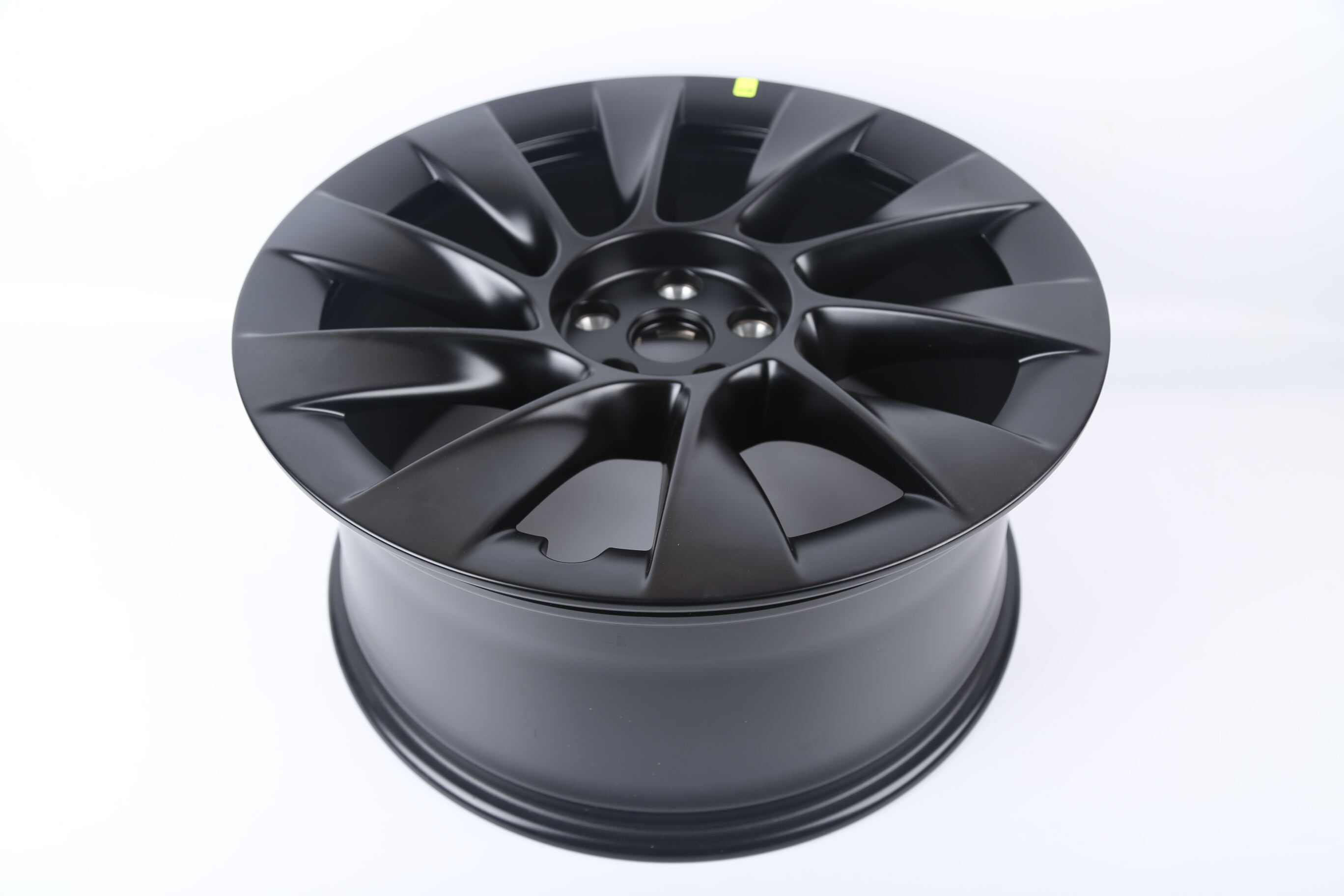
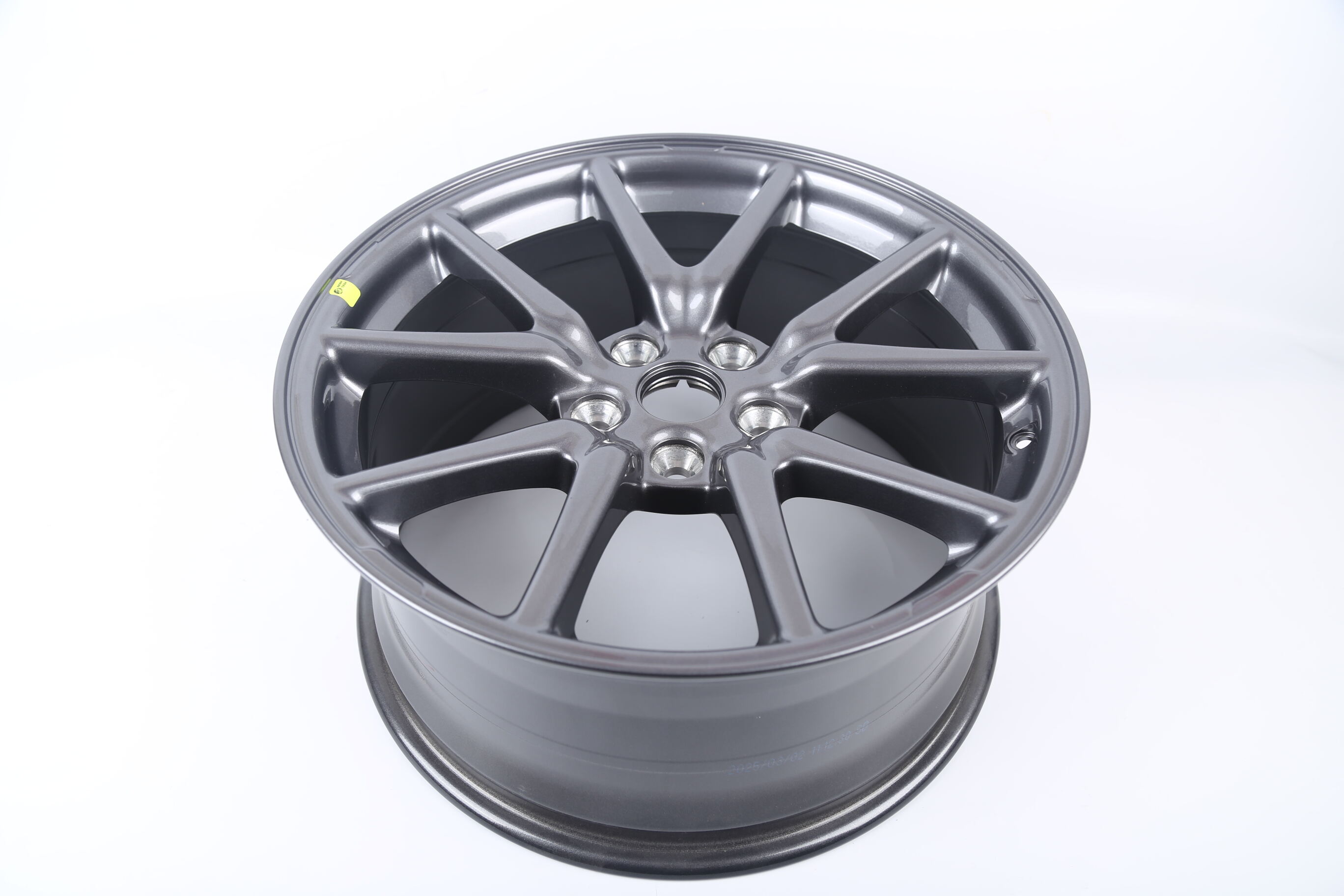
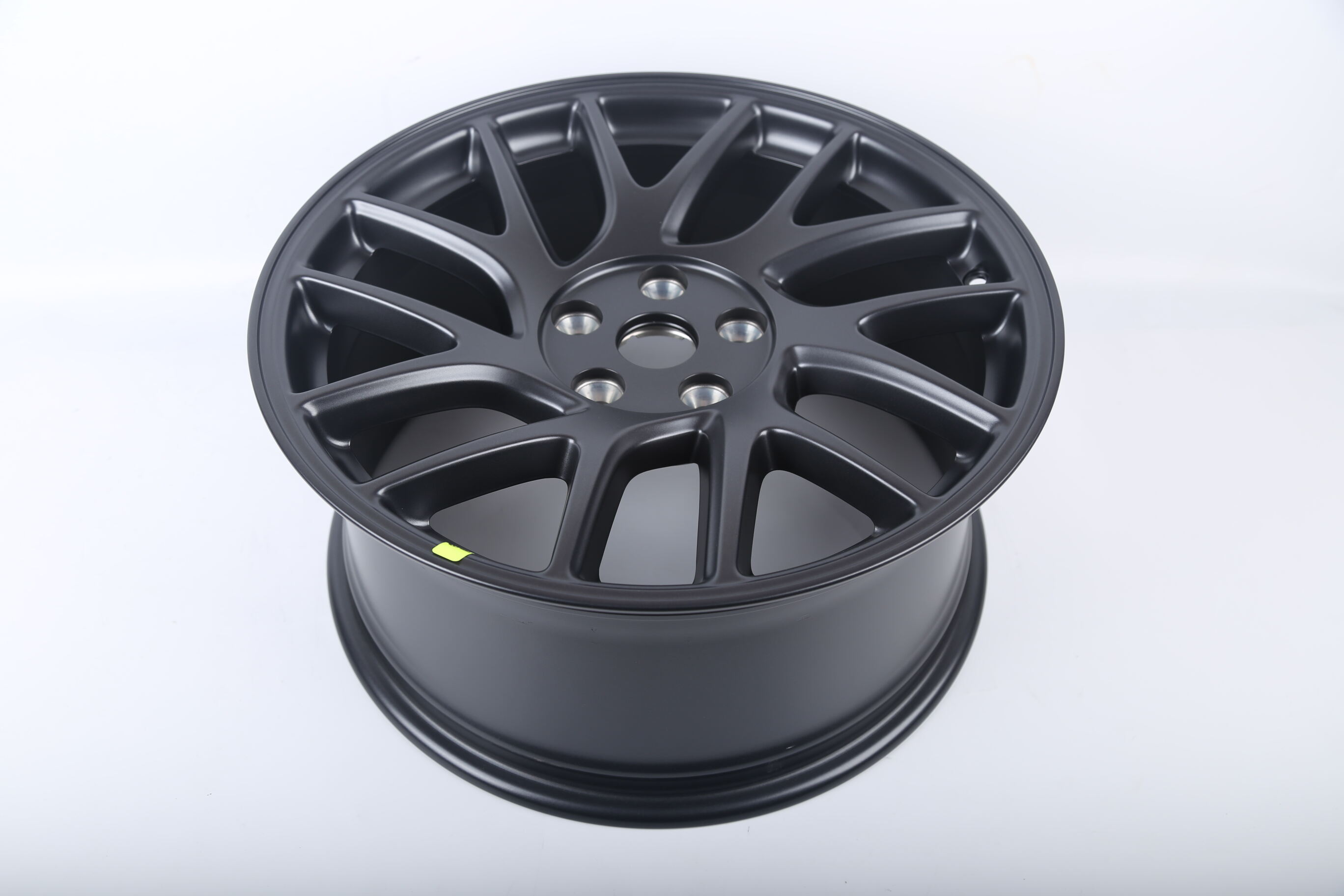
Premium Alloy Wheel Rim - Lightweight Performance Wheels for Enhanced Vehicle Dynamics

Get a Free Quote

Our representative will contact you soon.
Email
Name
Company Name
Message
0/1000

alloy wheel rim

The alloy wheel rim represents a significant advancement in automotive wheel technology, combining lightweight materials with superior strength characteristics to deliver enhanced vehicle performance. Modern alloy wheel rims are manufactured primarily from aluminum or magnesium alloys, utilizing sophisticated casting or forging processes that create a product far superior to traditional steel wheels. The main function of an alloy wheel rim is to provide structural support for the tire while minimizing unsprung weight, which directly impacts vehicle handling, acceleration, and braking performance. These rims serve as the critical interface between the tire and the vehicle's suspension system, transmitting forces during acceleration, braking, and cornering while maintaining precise wheel geometry. Technological features include advanced metallurgical compositions that optimize the strength-to-weight ratio, precision machining that ensures perfect balance and concentricity, and heat dissipation properties that help manage brake temperatures during demanding driving conditions. The manufacturing process often involves low-pressure casting, gravity casting, or flow-forming techniques, each offering distinct advantages in terms of strength, weight reduction, and production efficiency. Applications for alloy wheel rims span across multiple automotive segments, from economy vehicles seeking improved fuel efficiency to high-performance sports cars demanding maximum performance capabilities. The automotive aftermarket heavily utilizes alloy wheel rims for vehicle customization, offering consumers extensive design options that enhance aesthetic appeal while maintaining functional benefits. Commercial vehicle applications increasingly adopt alloy wheel rims to reduce overall vehicle weight, thereby increasing payload capacity and improving fuel economy. Racing applications rely on the lightweight construction and superior heat management properties of alloy wheel rims to achieve competitive advantages. The versatility of alloy wheel rim technology makes it suitable for passenger cars, SUVs, light trucks, motorcycles, and even specialized vehicles such as recreational vehicles and trailers, demonstrating the widespread adoption of this technology across the transportation industry.


New Product Releases

Choosing an alloy wheel rim provides multiple practical benefits that directly improve your driving experience and vehicle ownership costs. The most immediate advantage is weight reduction, with alloy wheel rims typically weighing 30 to 50 percent less than comparable steel wheels. This weight savings translates directly into better fuel economy, as your engine expends less energy accelerating the lighter wheels. You will notice improved acceleration response, particularly from a standstill, as the reduced rotational mass allows your vehicle to reach speed more quickly. Braking performance receives a significant boost because lighter wheels require less force to decelerate, shortening stopping distances and reducing brake wear over time. The handling characteristics of your vehicle transform with alloy wheel rims installed, as the reduced unsprung weight allows your suspension to respond more precisely to road conditions. You will experience better ride comfort over rough surfaces because the suspension can more effectively isolate bumps and imperfections. Cornering becomes more confident and stable as the lighter wheels maintain better contact with the road surface through directional changes. Heat dissipation represents another crucial advantage, with alloy wheel rims conducting heat away from brake components approximately three times more effectively than steel wheels. This thermal management becomes particularly valuable during extended downhill driving or aggressive braking situations, where maintaining consistent brake performance is essential for safety. The structural integrity of alloy wheel rims provides enhanced durability against impacts compared to steel wheels, which tend to bend permanently when subjected to potholes or curb strikes. Alloy wheel rims often absorb impacts more effectively, sometimes returning to their original shape or showing damage more predictably, making inspection easier. Corrosion resistance stands out as a significant ownership benefit, with aluminum alloys naturally forming a protective oxide layer that prevents rust formation. You avoid the unsightly rust staining that plagues steel wheels, maintaining a cleaner appearance throughout the wheel's service life. Maintenance requirements decrease substantially, as alloy wheel rims resist the accumulation of brake dust and road grime more effectively than painted steel surfaces. The aesthetic flexibility of alloy wheel rims allows you to personalize your vehicle's appearance with countless design options, from classic spoke patterns to contemporary multi-piece constructions. Resale value improves when your vehicle features quality alloy wheel rims, as buyers recognize both the functional and visual enhancements they provide. Long-term cost savings emerge through reduced fuel consumption, decreased tire wear from improved weight distribution, and extended brake component life resulting from better heat management.

Practical Tips

Consolidating Foundations, Forging New Paths, Gathering Momentum for Breakthroughs - Jiapei's Two Grand Events of 2026 Conclude Successfully

09

Apr

Consolidating Foundations, Forging New Paths, Gathering Momentum for Breakthroughs - Jiapei's Two Grand Events of 2026 Conclude Successfully

View More
Shanghai Jiapei Partners with Mahle to Launch a New Journey in China's Chassis Aftermarket

07

Apr

Shanghai Jiapei Partners with Mahle to Launch a New Journey in China's Chassis Aftermarket

View More
Jiapei's 2025 Yan'an Summit Concludes Successfully: Empowered by Red Gene, Embarking on a New Journey of

28

Apr

Jiapei's 2025 Yan'an Summit Concludes Successfully: Empowered by Red Gene, Embarking on a New Journey of "Nurturing Ambition, Securing Customer Trust, Forging the Future"

View More

Get a Free Quote

Our representative will contact you soon.
Email
Name
Company Name
Message
0/1000

alloy wheel rim

Superior Weight Reduction Engineering

Superior Weight Reduction Engineering

The engineering excellence behind alloy wheel rim weight reduction represents one of the most significant technological achievements in modern automotive components. Through advanced metallurgical science and precision manufacturing techniques, alloy wheel rims achieve remarkable weight savings that fundamentally alter vehicle dynamics and efficiency. The aluminum alloys used in contemporary wheel rim production typically combine aluminum with silicon, magnesium, and other trace elements to create a material matrix that delivers exceptional strength while maintaining minimal density. This careful balance allows manufacturers to remove material from non-critical areas of the wheel structure without compromising structural integrity or safety margins. The weight reduction achieved by alloy wheel rims directly influences multiple aspects of vehicle performance that drivers experience daily. Unsprung weight, which includes components not supported by the vehicle's suspension system, critically affects how quickly suspension components can respond to changing road conditions. By reducing this unsprung weight through lighter alloy wheel rims, your suspension achieves faster reaction times and maintains better tire contact with the road surface. This improved contact translates into enhanced traction during acceleration, more controlled braking, and superior cornering stability. The rotational inertia reduction provided by alloy wheel rims creates noticeable improvements in acceleration characteristics, as your engine expends less energy spinning up the lighter wheel assemblies. This benefit becomes particularly apparent in stop-and-go traffic situations and during highway merging maneuvers, where responsive acceleration enhances both convenience and safety. Fuel economy improvements stem directly from the reduced energy required to accelerate and maintain the rotation of lighter alloy wheel rims. Over the lifetime of your vehicle, these efficiency gains accumulate into substantial fuel cost savings. The precision manufacturing processes used to create alloy wheel rims, including flow-forming and forging techniques, allow engineers to optimize material distribution throughout the wheel structure. Material concentrates in high-stress areas such as the mounting surface and spoke bases, while non-critical areas utilize thinner sections that minimize weight without sacrificing performance. This intelligent design approach exemplifies how alloy wheel rim technology maximizes functional benefits through sophisticated engineering principles that deliver measurable real-world advantages to vehicle owners across all driving conditions and applications.
Enhanced Thermal Management Capabilities

Enhanced Thermal Management Capabilities

The thermal management properties of alloy wheel rims provide critical performance and safety advantages that distinguish them from traditional steel wheel alternatives. Aluminum alloys possess thermal conductivity characteristics approximately three times superior to steel, enabling alloy wheel rims to function as highly effective heat dissipation devices for your vehicle's braking system. During braking events, friction between brake pads and rotors generates substantial thermal energy that must be managed effectively to maintain consistent braking performance and prevent component degradation. Alloy wheel rims actively transfer this heat away from brake components through conduction, then dissipate it to the surrounding air through convection and radiation processes. This thermal management becomes particularly crucial during demanding driving situations such as mountain descents, towing operations, or performance driving where repeated heavy braking generates extreme temperatures. By efficiently removing heat from the brake system, alloy wheel rims help maintain optimal brake fluid temperatures, preventing the vapor lock phenomenon that can lead to complete brake failure. The cooler operating temperatures facilitated by alloy wheel rims extend the service life of brake pads, rotors, and calipers by reducing thermal stress and minimizing the heat-induced wear that accelerates component degradation. Brake fade, the reduction in braking effectiveness that occurs when brake components overheat, becomes far less likely with properly functioning alloy wheel rims managing thermal loads. The design architecture of alloy wheel rims often incorporates open spoke patterns and ventilation channels that promote airflow through the wheel assembly, creating additional cooling capacity for brake components. This engineered airflow works synergistically with the material's inherent thermal conductivity to create a comprehensive cooling system that operates passively during vehicle operation. Racing applications particularly value these thermal management capabilities, as competitive driving subjects brake systems to extreme thermal loads that would quickly overwhelm lesser wheel designs. Track day enthusiasts and performance drivers recognize that alloy wheel rims provide a measurable safety advantage by helping maintain consistent brake performance throughout extended high-speed driving sessions. The heat dissipation properties of alloy wheel rims also benefit tire longevity, as excessive heat buildup in wheel assemblies can accelerate tire compound degradation and increase the risk of tire failure. By maintaining more moderate operating temperatures, alloy wheel rims contribute to extended tire service life and improved safety margins during summer driving conditions when ambient temperatures already stress tire compounds.
Advanced Durability and Impact Resistance

Advanced Durability and Impact Resistance

The structural characteristics and material properties of alloy wheel rims deliver exceptional durability and impact resistance that provide both safety advantages and long-term value retention. Unlike steel wheels that permanently deform when subjected to impacts from potholes, curbs, or road debris, alloy wheel rims exhibit superior elastic behavior that often allows them to absorb impacts and return to their original shape. The metallurgical structure of aluminum alloys provides a unique combination of strength and ductility that enables alloy wheel rims to flex under load without failing catastrophically. This controlled deformation behavior becomes particularly valuable when encountering unexpected road hazards at speed, as the wheel rim can absorb impact energy while maintaining sufficient structural integrity to keep the tire properly seated and the vehicle controllable. Modern manufacturing techniques such as low-pressure casting, flow-forming, and forging create grain structures within the aluminum alloy that optimize strength characteristics in multiple directions. These manufacturing processes produce alloy wheel rims with predictable failure modes that tend to crack rather than bend, making damage detection more straightforward during routine inspections. The visibility of damage represents a significant safety advantage, as cracked alloy wheel rims clearly indicate the need for replacement, whereas bent steel wheels may continue in service with compromised structural integrity that is not immediately apparent. Corrosion resistance inherent to aluminum alloys ensures that alloy wheel rims maintain their structural properties throughout their service life, even when exposed to harsh environmental conditions including road salt, moisture, and temperature extremes. The natural oxide layer that forms on aluminum surfaces provides passive protection against further oxidation, preventing the progressive weakening that rust causes in steel components. This corrosion resistance translates directly into maintained safety margins and extended service life, as the wheel rim retains its original strength characteristics rather than degrading over time. Quality alloy wheel rims undergo rigorous testing protocols including radial fatigue testing, cornering fatigue testing, and impact testing that simulate years of real-world use under demanding conditions. These validation processes ensure that alloy wheel rims meet or exceed stringent safety standards established by automotive regulatory bodies and industry organizations. The manufacturing quality control systems employed in alloy wheel rim production utilize advanced inspection technologies including X-ray examination, pressure testing, and dimensional verification that identify any defects before products reach consumers. This commitment to quality assurance provides confidence that each alloy wheel rim will perform reliably throughout its intended service life while maintaining the structural integrity essential for safe vehicle operation across diverse driving conditions and usage scenarios.

Get a Free Quote

Our representative will contact you soon.
Email
Name
Company Name
Message
0/1000