aluminum alloy wheels
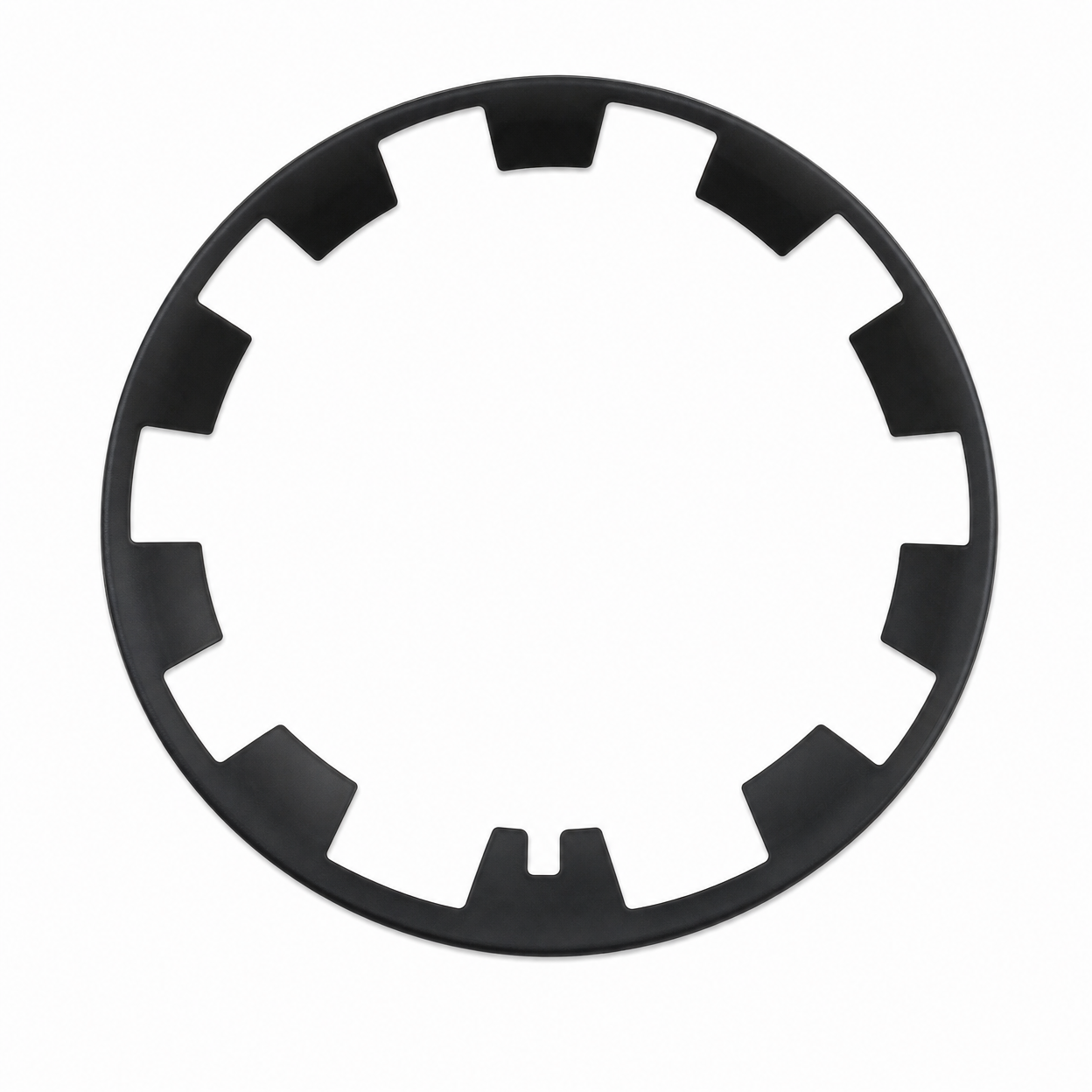
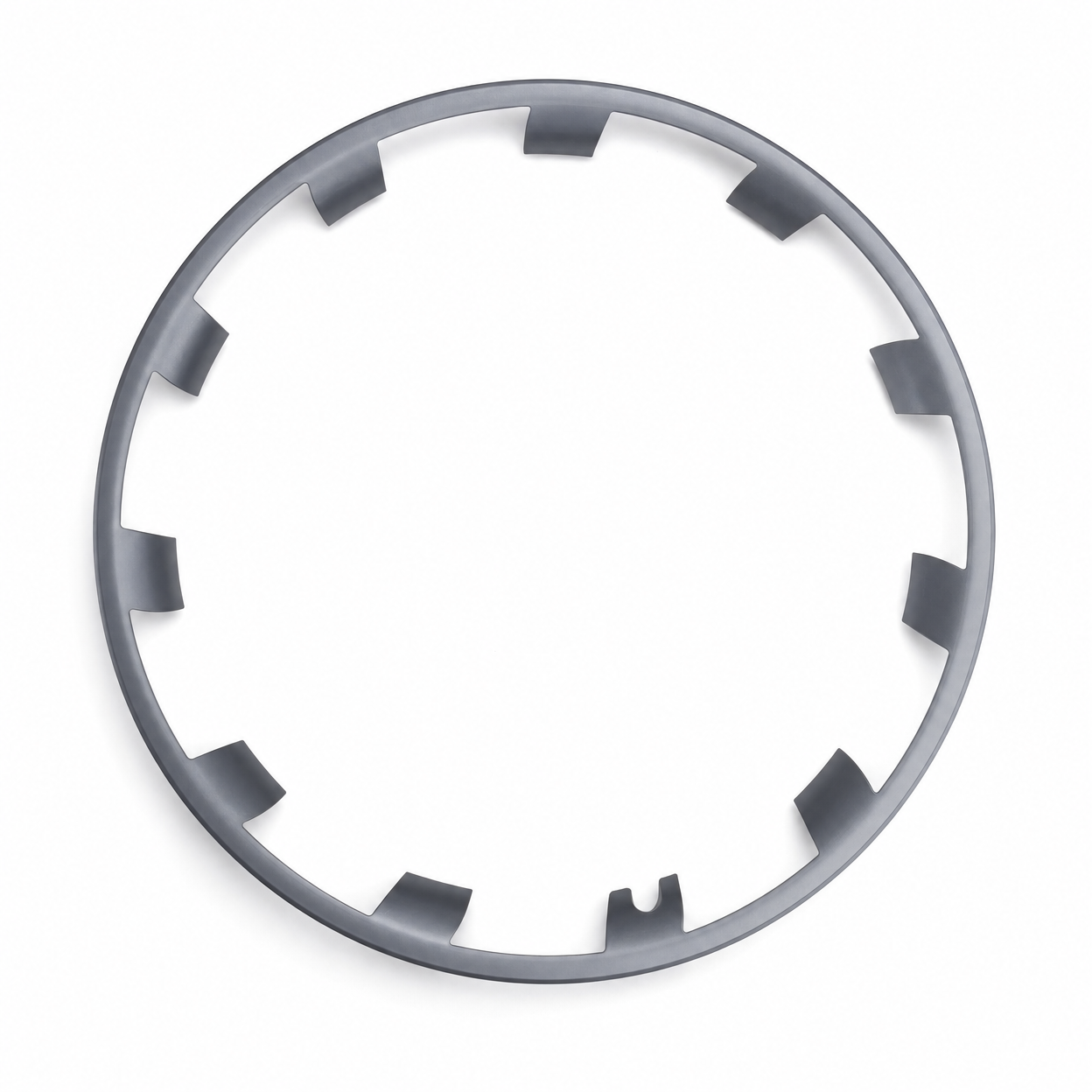
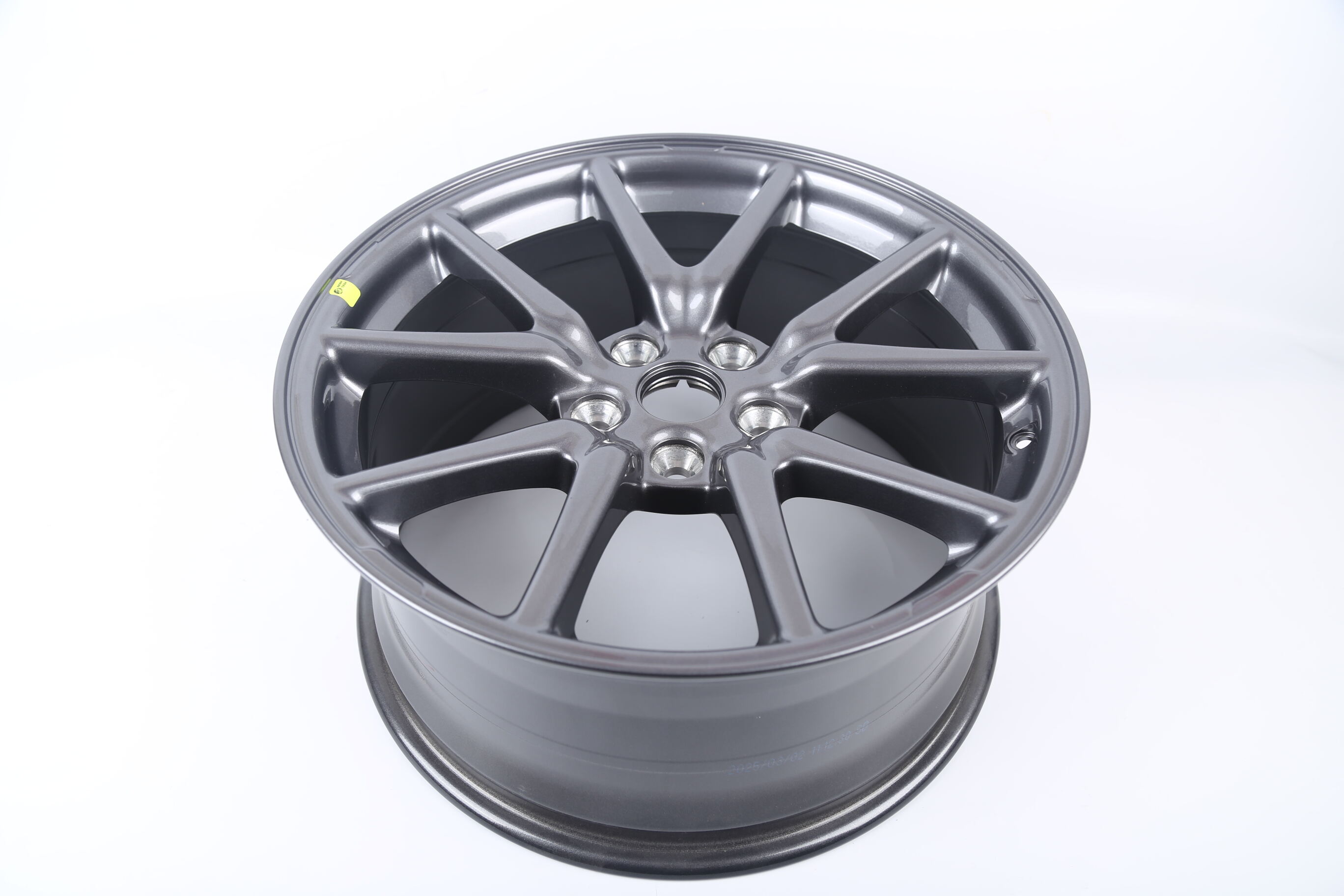
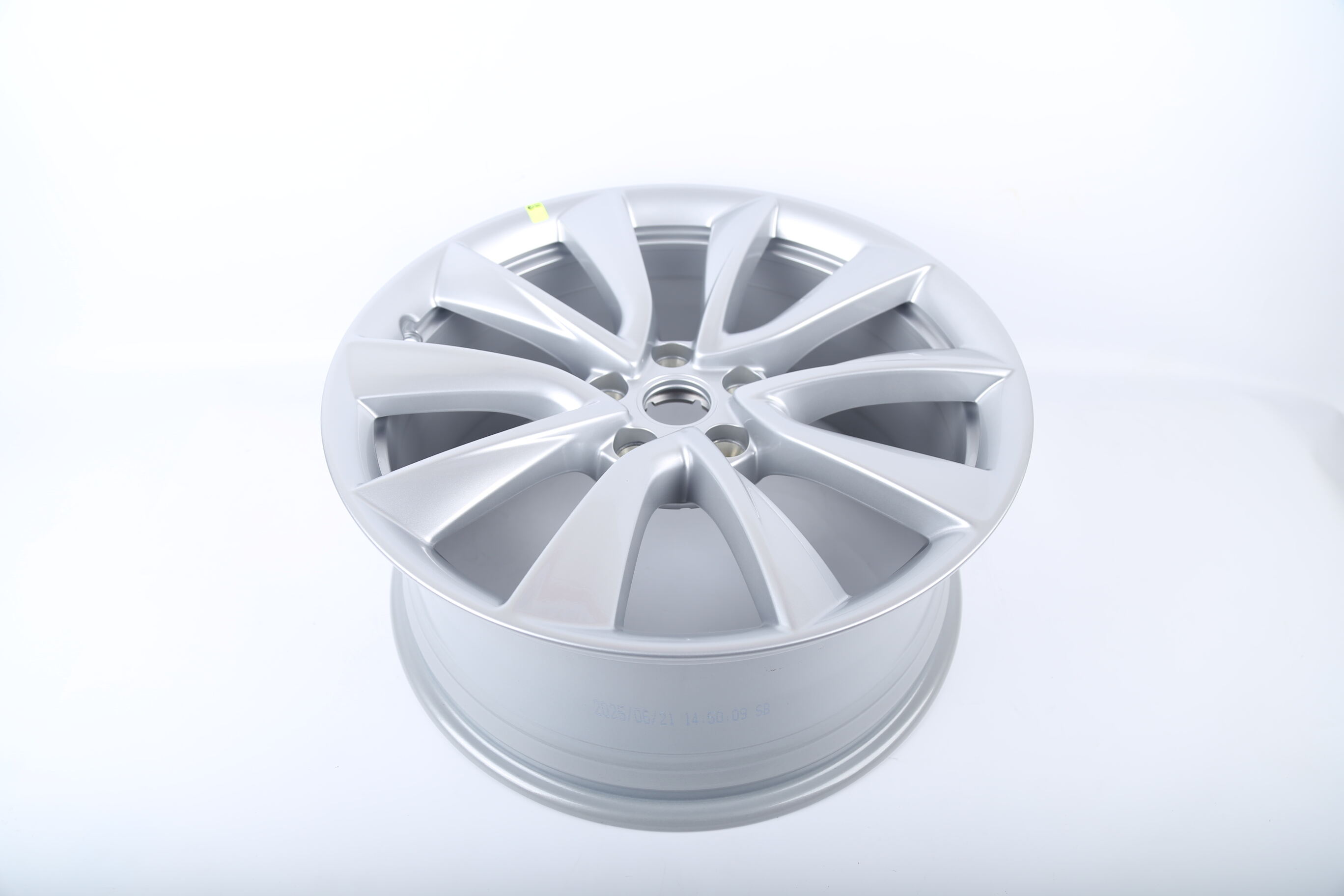
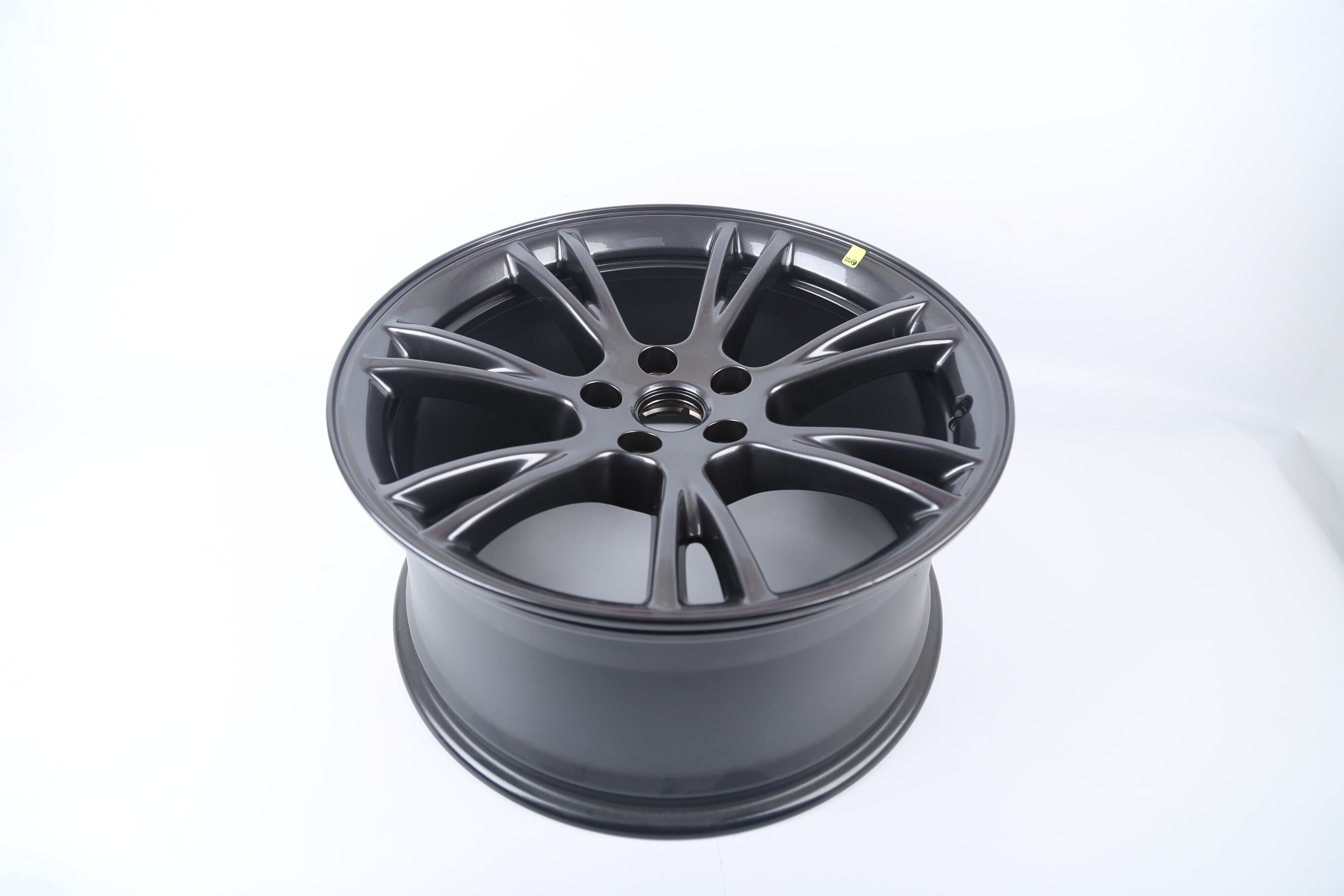
Aluminum alloy wheels represent a significant advancement in automotive technology, combining superior performance characteristics with aesthetic appeal. These wheels are manufactured from a precise blend of aluminum and other metallic elements, creating a lightweight yet robust solution for modern vehicles. The primary function of aluminum alloy wheels extends beyond simply supporting the vehicle's weight; they play a crucial role in enhancing overall driving dynamics, fuel efficiency, and visual presentation. The technological features embedded in aluminum alloy wheels include advanced casting or forging processes that ensure optimal strength-to-weight ratios, intricate design capabilities that allow for improved brake cooling, and superior heat dissipation properties that contribute to safer driving conditions. Manufacturing techniques such as flow forming, gravity casting, and low-pressure casting enable producers to create wheels that meet stringent safety standards while maintaining exceptional performance metrics. Applications for aluminum alloy wheels span across diverse vehicle categories, from everyday passenger cars and luxury sedans to high-performance sports vehicles and light commercial trucks. The automotive aftermarket has embraced these wheels enthusiastically, with consumers seeking both performance upgrades and cosmetic enhancements. In motorsport applications, aluminum alloy wheels have become virtually standard due to their ability to reduce unsprung weight, thereby improving suspension response and vehicle handling characteristics. The construction industry utilizes these wheels on various commercial vehicles where weight savings translate directly into increased payload capacity. Modern aluminum alloy wheels incorporate sophisticated engineering principles, including stress analysis, finite element modeling, and rigorous testing protocols to ensure reliability under extreme conditions. The material composition typically involves aluminum combined with elements such as magnesium, silicon, or other metals to achieve desired mechanical properties including tensile strength, impact resistance, and corrosion protection.





 EN
EN