Sustainable Manufacturing and Lifecycle Value
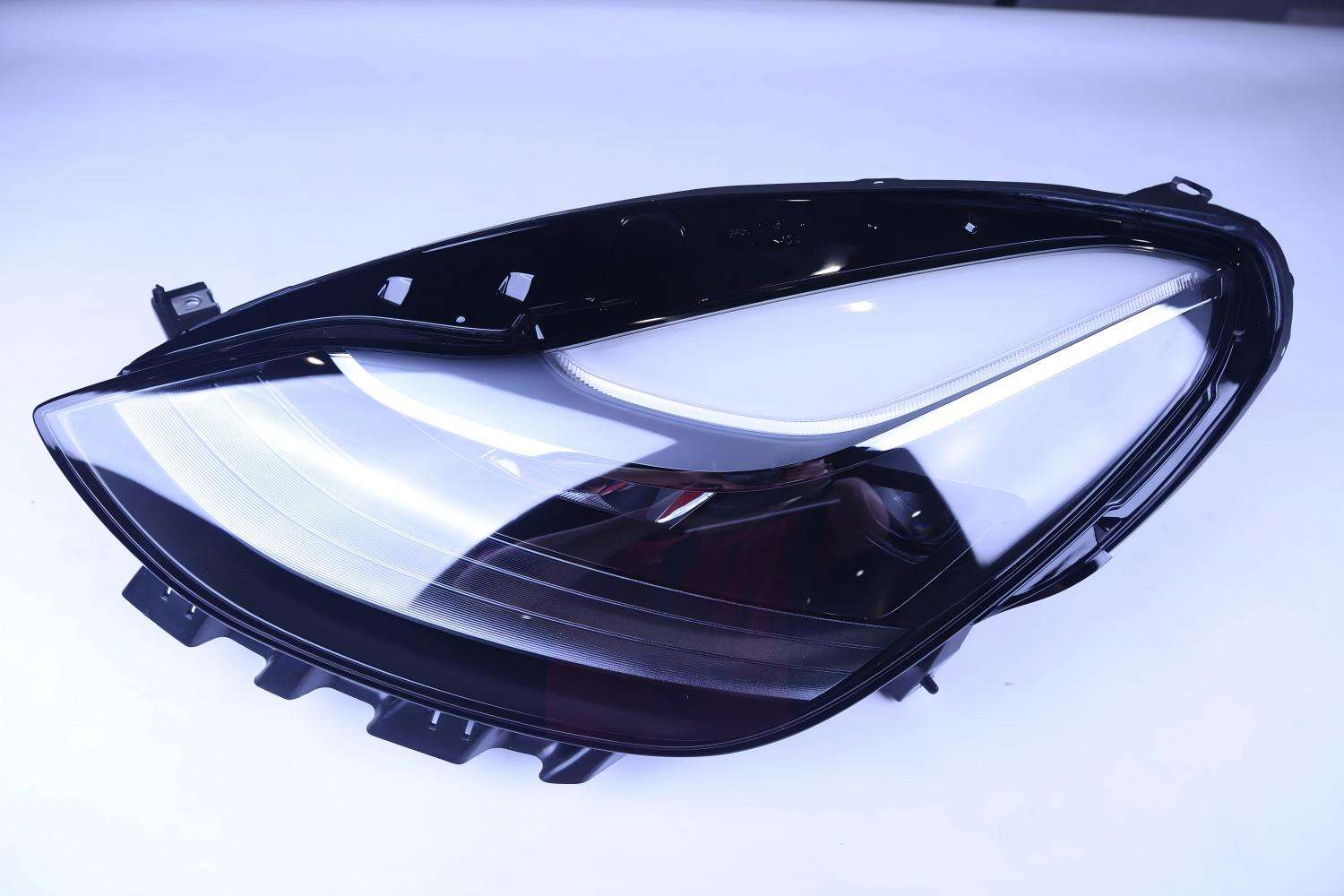
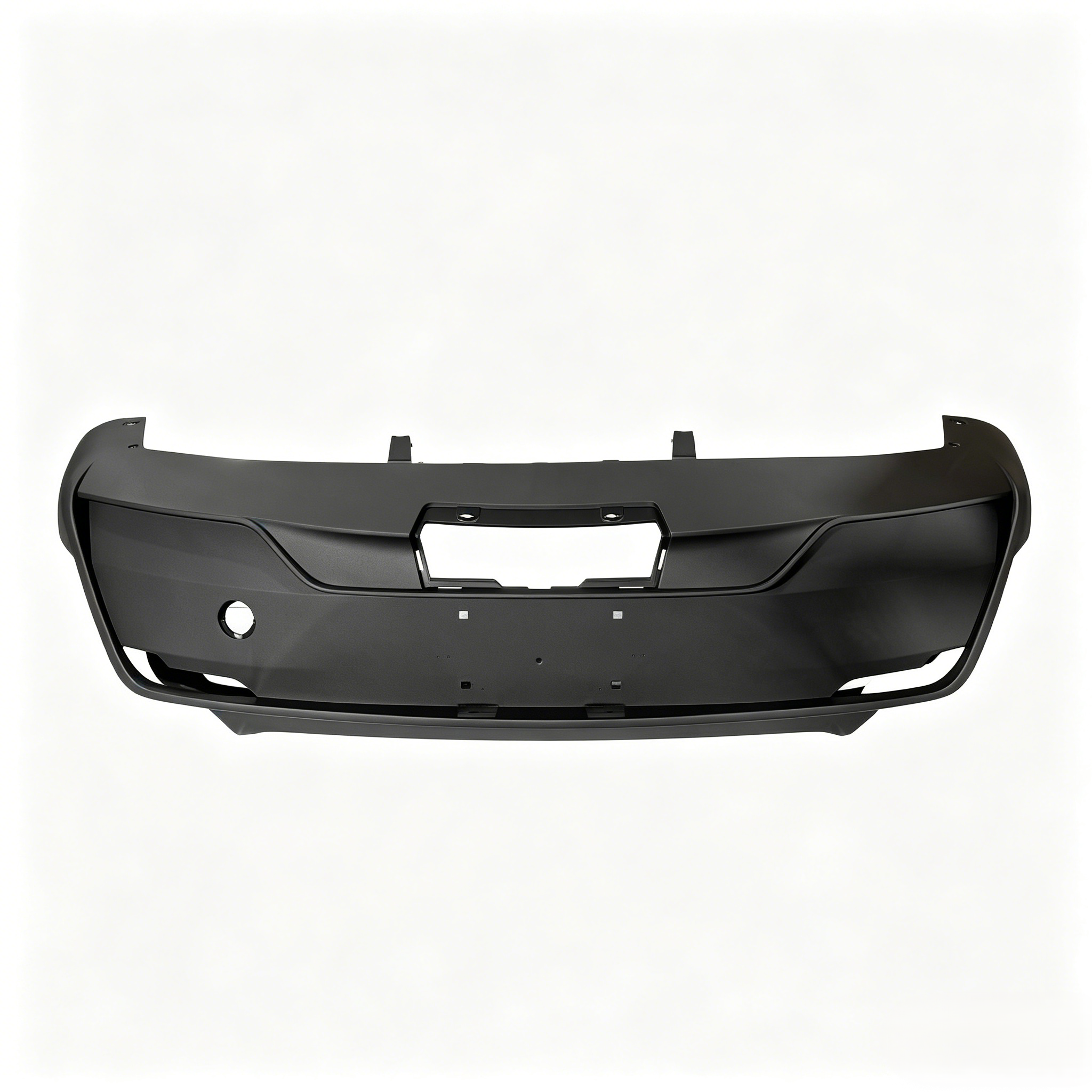
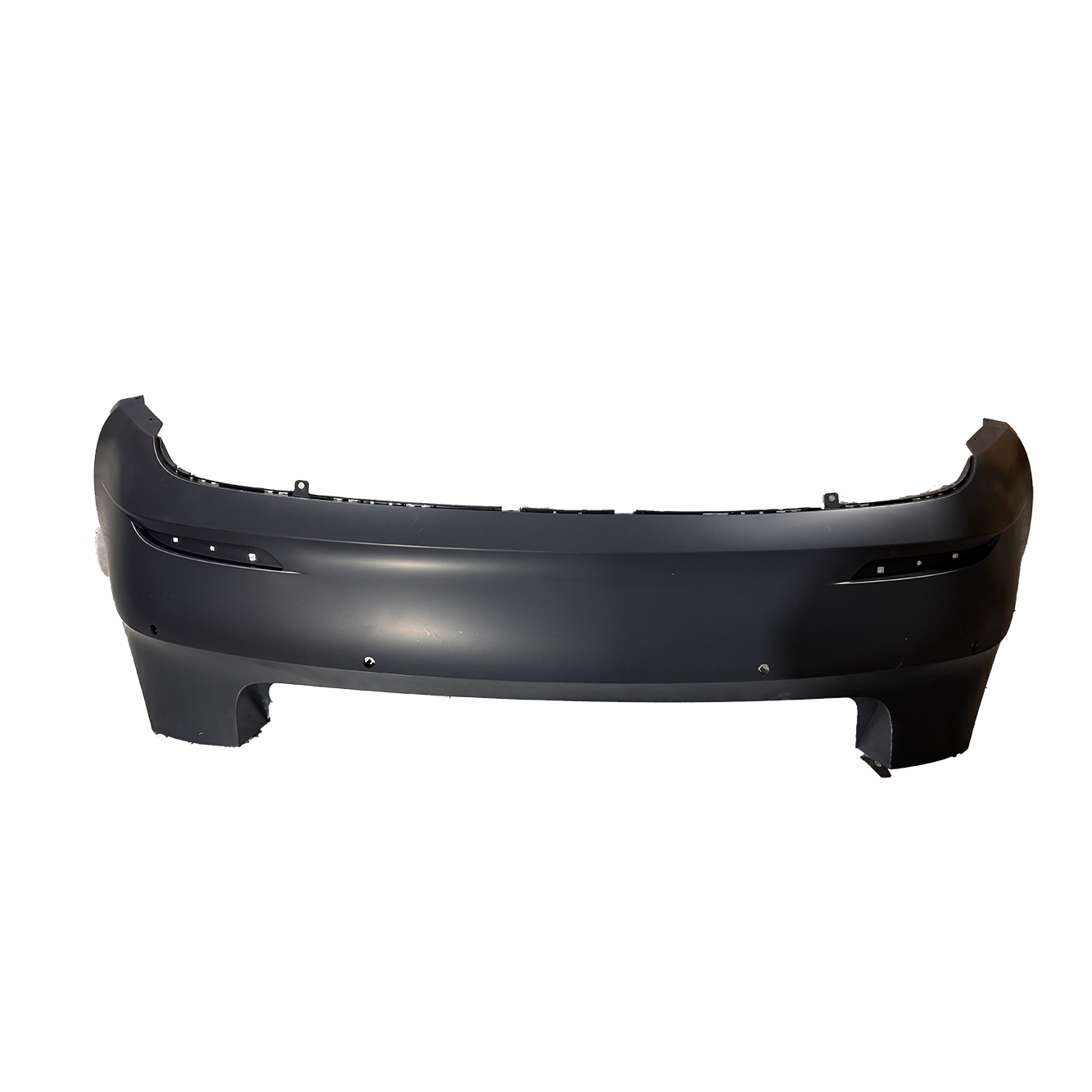
The car bumper assembly industry has embraced sustainable manufacturing practices that deliver environmental benefits throughout the product lifecycle while maintaining superior performance and cost-effectiveness. Material selection begins with recyclable thermoplastics such as polypropylene and thermoplastic olefins that can be reprocessed multiple times without significant property degradation, reducing waste and supporting circular economy principles. Manufacturing facilities employ injection molding processes with optimized cycle times and energy consumption, using servo-electric machines that reduce power usage by up to forty percent compared to hydraulic systems while improving precision and repeatability. The car bumper assembly production incorporates recycled content when possible, with post-consumer and post-industrial plastics processed and blended with virgin materials to achieve required mechanical properties while reducing raw material consumption. Paint and finishing operations use water-based coatings and powder coating technologies that eliminate volatile organic compound emissions, protecting worker health and environmental quality while delivering durable, attractive finishes. The lightweight design of modern car bumper assembly components directly contributes to vehicle fuel efficiency by reducing overall mass, with weight savings of several kilograms per vehicle translating to measurable reductions in fuel consumption and carbon emissions over the vehicle's operational life. End-of-life considerations guide design decisions, with bumpers engineered for easy disassembly and material separation, allowing efficient recycling when vehicles reach retirement. The standardization of mounting systems and connection methods across vehicle platforms reduces the variety of tools and processes required for installation and removal, improving efficiency in manufacturing, service, and recycling operations. Quality control procedures ensure that each car bumper assembly meets dimensional tolerances and performance specifications, minimizing defect rates and the associated waste from rejected parts. The durability engineered into bumper designs extends service life, with materials and coatings selected to resist degradation from ultraviolet exposure, temperature cycling, chemical exposure, and mechanical stress, reducing the frequency of replacement and associated resource consumption. Supply chain optimization reduces transportation impacts, with regional manufacturing facilities serving local markets and reducing shipping distances for completed car bumper assembly units. The modular construction allows damaged sections to be replaced individually rather than requiring complete bumper replacement, conserving resources and reducing repair costs while maintaining safety performance. Life cycle assessments conducted on car bumper assembly products quantify environmental impacts from raw material extraction through manufacturing, use phase, and end-of-life processing, identifying opportunities for continuous improvement. The economic value proposition extends beyond initial purchase price to encompass total cost of ownership, including installation expenses, maintenance requirements, repair costs, and residual value. Insurance considerations favor quality car bumper assembly products that minimize damage in minor collisions, potentially qualifying vehicles for lower premiums through demonstrated crashworthiness. The repairability of modern bumper designs supports independent repair shops and reduces reliance on expensive dealer-only parts, promoting competitive markets and consumer choice.





 EN
EN