Vehicle Bumper Technology: Advanced Protection, Smart Features, and Sustainable Design for Modern Automobiles

Get a Free Quote

Our representative will contact you soon.
Email
Name
Company Name
Message
0/1000

vehicle bumper

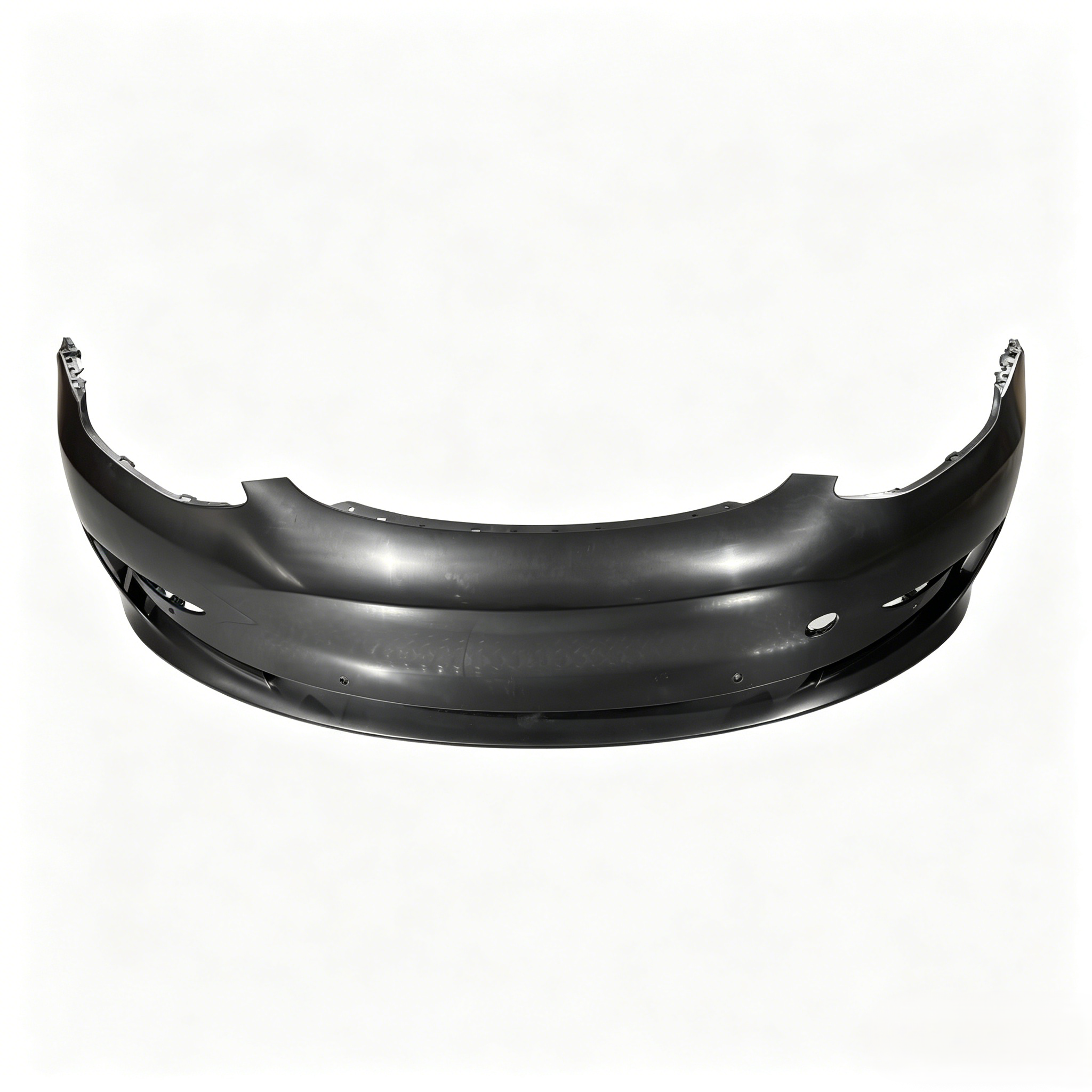
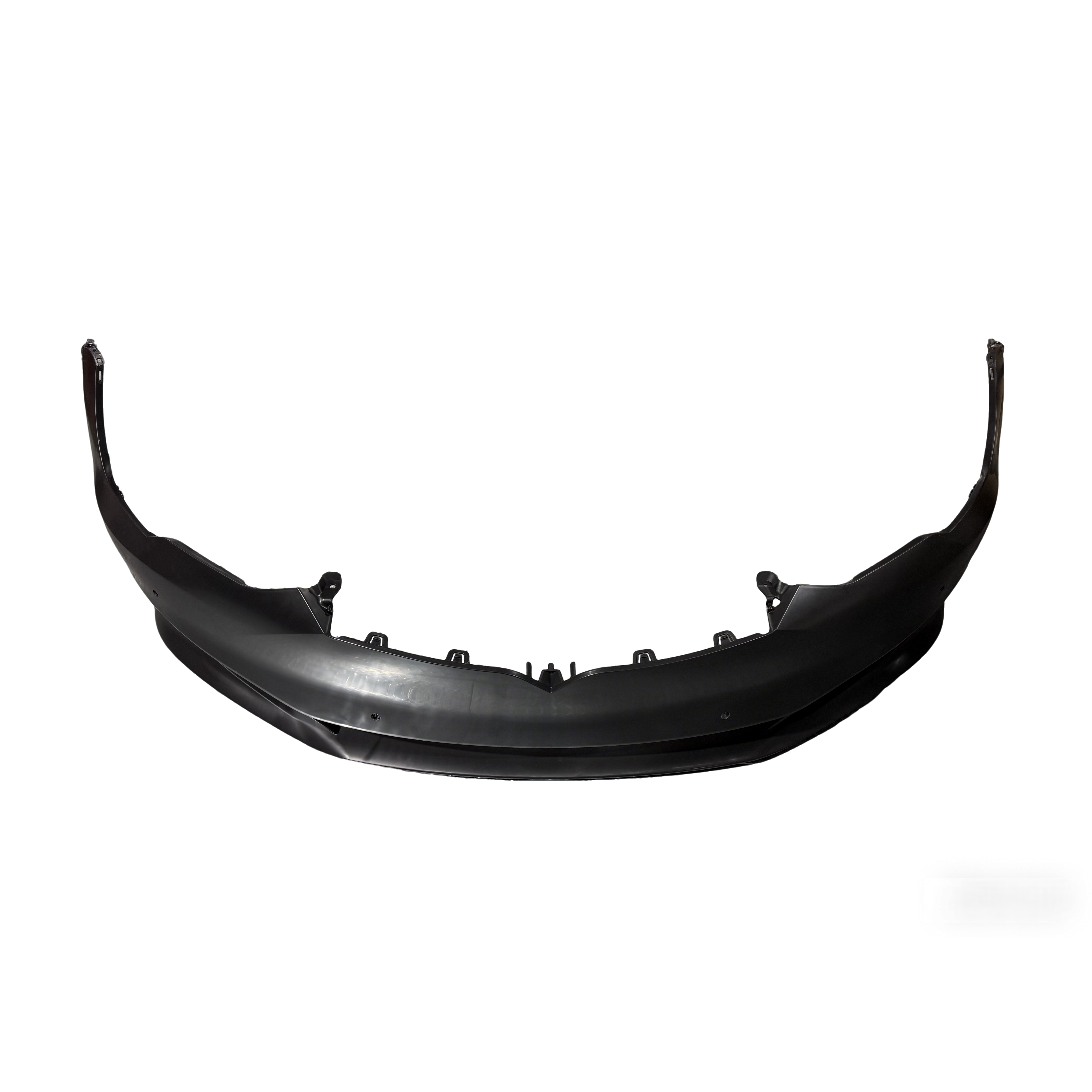
A vehicle bumper serves as a critical protective component mounted at the front and rear of automobiles, designed to absorb impact energy during low-speed collisions and minimize damage to the vehicle's structure and occupants. Modern bumpers have evolved significantly from simple metal bars to sophisticated systems that integrate safety, aesthetics, and functionality. The primary purpose of a vehicle bumper is to protect the car's body, engine compartment, fuel system, and other vital components from damage during minor accidents or impacts with objects. Beyond protection, bumpers play an essential role in pedestrian safety by reducing injury severity during collisions. Contemporary vehicle bumpers typically consist of several layers: a reinforcement bar made from steel or aluminum, an energy-absorbing foam or plastic layer, and an outer fascia that matches the vehicle's design aesthetic. This multi-layer construction ensures optimal energy dissipation while maintaining the vehicle's visual appeal. Vehicle bumpers also house important features such as sensors for parking assistance systems, cameras for rearview monitoring, fog lights, and mounting points for license plates. The technological advancement in bumper design has led to the development of smart bumpers equipped with radar sensors and collision detection systems that communicate with the vehicle's safety network. These innovations enable features like automatic emergency braking and adaptive cruise control. Material science has revolutionized bumper manufacturing, with thermoplastic materials offering excellent impact resistance, lightweight properties, and recyclability. The regulatory standards governing bumper performance vary across different markets, ensuring that manufacturers meet specific safety requirements. Modern bumpers must withstand impacts at speeds up to 5 miles per hour without sustaining permanent damage, protecting both the vehicle and reducing repair costs for owners. The integration of aerodynamic design principles in bumper construction also contributes to improved fuel efficiency by reducing drag coefficients. As automotive technology continues to advance, vehicle bumpers are becoming increasingly sophisticated, incorporating advanced materials, sensors, and design elements that enhance both safety and performance while maintaining aesthetic appeal.


New Product Releases

Vehicle bumpers provide substantial benefits that directly impact your daily driving experience and long-term vehicle ownership costs. The most immediate advantage is protection during parking mishaps and minor collisions. When you accidentally tap another car or object at low speeds, the bumper absorbs the impact energy, preventing costly damage to your vehicle's frame, headlights, radiator, and engine components. This protection translates into significant savings on repair bills and helps maintain your vehicle's resale value. Insurance companies recognize this benefit, and vehicles with advanced bumper systems often qualify for lower premium rates. The safety advantages extend beyond property protection to human safety. Modern bumpers are engineered to reduce pedestrian injuries during accidents by incorporating softer materials and strategic design elements that minimize harm upon impact. For vehicle occupants, bumpers work as the first line of defense in collision scenarios, buying precious milliseconds for airbags and other safety systems to activate. The energy absorption capabilities of contemporary bumpers can reduce the severity of whiplash and other impact-related injuries. From a practical standpoint, bumpers enhance your vehicle's functionality by providing mounting points for essential accessories. Parking sensors embedded in bumpers alert you to obstacles, making tight parking spaces manageable and reducing the stress of maneuvering in crowded areas. Backup cameras integrated into rear bumpers give you a clear view of what's behind your vehicle, preventing accidents with children, pets, or objects in your blind spots. Front bumpers often house fog lights that improve visibility during adverse weather conditions, enhancing your safety during rain, snow, or fog. The aerodynamic design of modern bumpers contributes to better fuel economy by reducing wind resistance, which means you spend less money at the gas pump over the vehicle's lifetime. Bumpers also protect against environmental hazards like road debris, gravel, and salt spray, which can cause corrosion and damage to exposed mechanical components. The aesthetic value of well-designed bumpers cannot be overlooked as they define your vehicle's appearance and contribute to its overall appeal. Bumpers are designed for easy replacement, meaning that even if damage occurs, repairs are straightforward and less expensive than fixing structural components. The durability of quality bumpers ensures they withstand daily wear and tear, maintaining their protective qualities throughout your vehicle's lifespan. For electric and hybrid vehicles, bumpers provide additional protection for expensive battery systems and electrical components. The investment in a quality bumper system pays dividends through reduced maintenance costs, enhanced safety, improved functionality, and preserved vehicle value, making it an essential component that benefits every aspect of vehicle ownership.

Practical Tips

Consolidating Foundations, Forging New Paths, Gathering Momentum for Breakthroughs - Jiapei's Two Grand Events of 2026 Conclude Successfully

09

Apr

Consolidating Foundations, Forging New Paths, Gathering Momentum for Breakthroughs - Jiapei's Two Grand Events of 2026 Conclude Successfully

View More
Shanghai Jiapei Partners with Mahle to Launch a New Journey in China's Chassis Aftermarket

07

Apr

Shanghai Jiapei Partners with Mahle to Launch a New Journey in China's Chassis Aftermarket

View More
Jiapei's 2025 Yan'an Summit Concludes Successfully: Empowered by Red Gene, Embarking on a New Journey of

28

Apr

Jiapei's 2025 Yan'an Summit Concludes Successfully: Empowered by Red Gene, Embarking on a New Journey of "Nurturing Ambition, Securing Customer Trust, Forging the Future"

View More

Get a Free Quote

Our representative will contact you soon.
Email
Name
Company Name
Message
0/1000

vehicle bumper

Advanced Impact Absorption Technology for Maximum Protection

Advanced Impact Absorption Technology for Maximum Protection

The engineering behind modern vehicle bumper systems represents a remarkable achievement in automotive safety technology, delivering protection that far exceeds traditional bumper designs. At the core of this advancement is a sophisticated multi-layer construction that strategically manages collision energy through carefully engineered materials and structural design. The reinforcement bar, typically constructed from high-strength steel or lightweight aluminum alloys, forms the structural backbone of the bumper system. This component is precisely positioned to distribute impact forces across the vehicle's frame, preventing concentrated stress points that could lead to structural damage. The energy-absorbing layer, usually composed of expanded polypropylene foam or honeycomb structures, compresses during impact to slow down the collision event, reducing the peak forces transmitted to the vehicle's body. This progressive deformation is crucial because it extends the collision duration, thereby lowering the maximum force experienced by the vehicle and its occupants according to fundamental physics principles. The outer fascia, crafted from impact-resistant thermoplastics, provides the final protective layer while maintaining aesthetic appeal. These materials are specifically formulated to flex and return to their original shape after minor impacts, eliminating the permanent deformation that plagued older bumper designs. The integration of crumple zones within the bumper structure further enhances protection by creating predetermined failure points that absorb energy in a controlled manner during severe collisions. Modern bumpers also incorporate pedestrian protection features mandated by safety regulations, including softer leading edges and energy-absorbing structures that reduce injury severity when a vehicle strikes a pedestrian. The technological sophistication extends to thermal management, as bumper materials must maintain their protective properties across a wide temperature range, from freezing winters to scorching summers. Testing protocols subject bumpers to rigorous impact scenarios, including low-speed collisions at various angles, ensuring consistent performance in real-world conditions. The result is a bumper system that not only meets but often exceeds regulatory requirements, providing vehicle owners with confidence that their investment is protected against the inevitable minor collisions that occur during typical vehicle use. This advanced protection minimizes repair costs, preserves vehicle value, and contributes to overall road safety by reducing the severity of accidents.
Integrated Smart Sensor Technology for Enhanced Safety and Convenience

Integrated Smart Sensor Technology for Enhanced Safety and Convenience

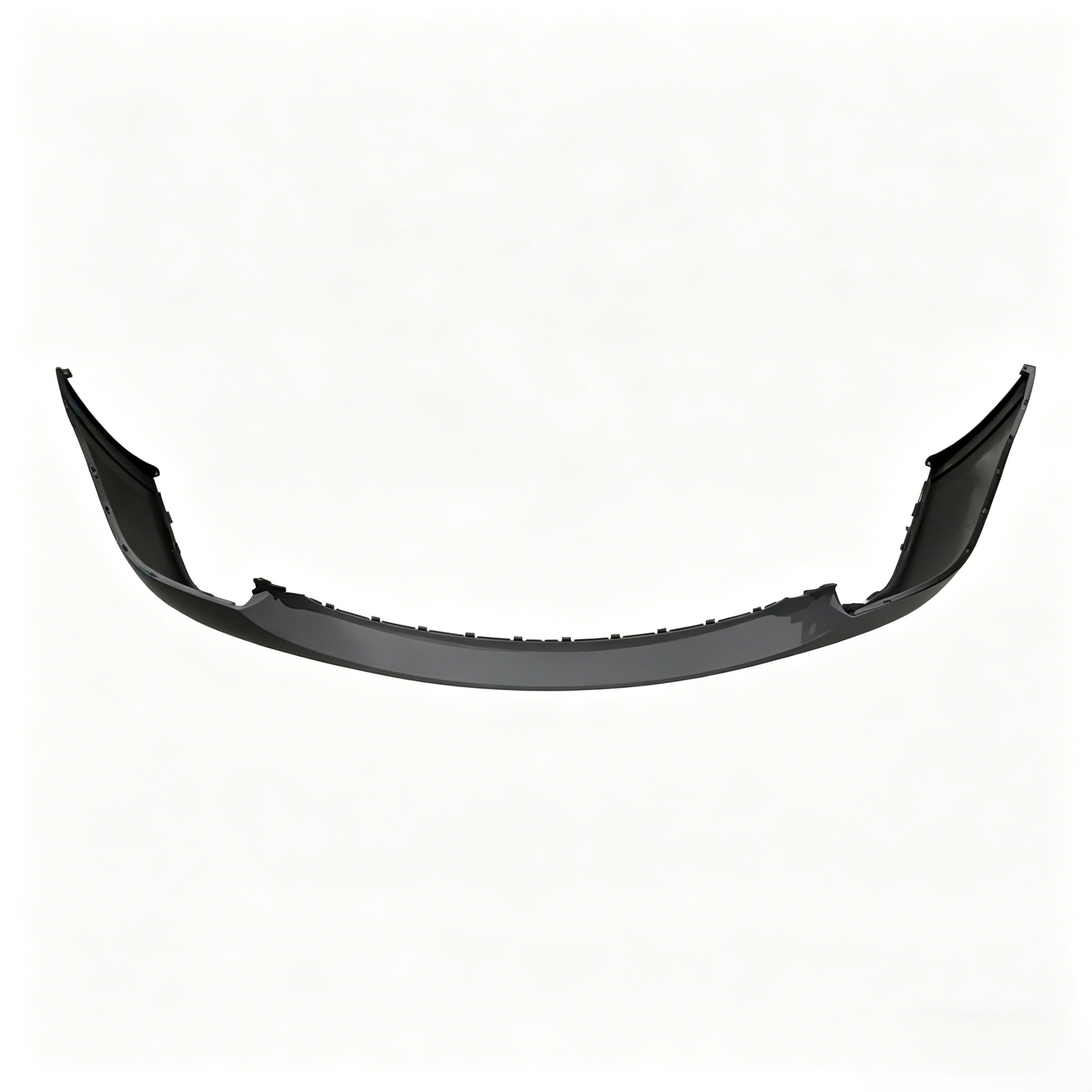
The transformation of vehicle bumpers into intelligent safety platforms represents one of the most significant advancements in automotive technology, fundamentally changing how drivers interact with their vehicles and navigate challenging driving situations. Contemporary bumpers serve as mounting locations for an array of sophisticated sensors and cameras that create a comprehensive awareness system around the vehicle. Ultrasonic parking sensors, typically embedded at multiple points across front and rear bumpers, emit high-frequency sound waves that bounce off nearby objects, calculating distances with remarkable precision. These sensors feed data to the vehicle's computer system, which alerts drivers through visual displays and audible warnings when approaching obstacles during parking maneuvers. The technology proves invaluable in tight urban parking situations where visibility is limited and the margin for error is small. Radar sensors integrated into bumpers enable adaptive cruise control systems that automatically adjust vehicle speed to maintain safe following distances from traffic ahead, reducing driver fatigue during highway travel and enhancing safety through consistent monitoring that never lapses in attention. These radar systems operate effectively in various weather conditions, including rain, fog, and snow, providing reliable performance when visual systems might be compromised. Forward-facing cameras mounted in front bumpers support lane departure warnings and collision avoidance systems by continuously analyzing road markings and traffic patterns, intervening when the system detects potential hazards. Rear-view cameras incorporated into rear bumpers have become standard equipment on modern vehicles, eliminating blind spots and providing drivers with clear visibility of areas directly behind the vehicle that were previously invisible. This technology has proven particularly effective in preventing tragic accidents involving children and pets in residential driveways. Some advanced bumper systems include LIDAR sensors that create three-dimensional maps of the vehicle's surroundings, enabling semi-autonomous driving features and enhanced collision avoidance capabilities. The sensor fusion technology combines data from multiple sensors to create a comprehensive understanding of the environment, improving accuracy and reliability beyond what any single sensor could achieve. These integrated systems communicate with the vehicle's central computer, enabling features like automatic emergency braking that can prevent collisions or reduce their severity when the driver fails to respond to hazards. The convenience benefits extend to automated parking systems that use bumper-mounted sensors to identify suitable parking spaces and execute parking maneuvers with minimal driver input, transforming a stressful task into an effortless operation that enhances the overall ownership experience.
Sustainable Materials and Cost-Effective Repairability

Sustainable Materials and Cost-Effective Repairability

The evolution of vehicle bumper materials and repair methodologies reflects the automotive industry's commitment to sustainability and economic efficiency, delivering tangible benefits to vehicle owners and the environment. Modern bumpers utilize thermoplastic materials that offer an exceptional combination of impact resistance, lightweight properties, and environmental responsibility. These advanced polymers, including polypropylene and thermoplastic olefins, can be repeatedly melted and reformed without significant degradation of their mechanical properties, making them ideal candidates for recycling at the end of the bumper's service life. This recyclability reduces the environmental impact of vehicle manufacturing and disposal while supporting circular economy principles. The lightweight nature of thermoplastic bumpers contributes to overall vehicle weight reduction, which directly translates to improved fuel efficiency and reduced emissions throughout the vehicle's operational lifetime. For electric vehicles, this weight savings extends driving range, addressing one of the primary concerns of electric vehicle adoption. The material properties of modern bumpers also facilitate cost-effective repairs, as minor damage often can be addressed through heat reshaping or plastic welding techniques rather than complete replacement. This repairability significantly reduces the cost of ownership by minimizing insurance claims and out-of-pocket repair expenses for vehicle owners. The modular design of contemporary bumper systems allows individual components to be replaced independently, meaning that damage to the outer fascia doesn't require replacement of the underlying reinforcement structure or sensors. This component-level repairability further reduces costs and waste. Manufacturers have developed standardized mounting systems that simplify bumper removal and installation, reducing labor costs at repair facilities and enabling some repairs to be completed by vehicle owners with basic tools and skills. The paint and finishing systems used on modern bumpers have also advanced significantly, with flexible coatings that move with the bumper material during minor impacts without cracking or peeling, maintaining appearance and protection over extended periods. Color-matching technology ensures that repaired or replaced bumpers integrate seamlessly with the vehicle's original finish, preserving aesthetic value. The durability of contemporary bumper materials means they resist fading, chalking, and degradation from ultraviolet exposure, maintaining their appearance and protective properties throughout the vehicle's lifespan without requiring special maintenance or treatments. From an economic perspective, the combination of durability, repairability, and recyclability makes modern bumpers a smart investment that protects both vehicle value and the environment while minimizing long-term ownership costs through reduced repair frequency and lower repair expenses when incidents do occur.

Get a Free Quote

Our representative will contact you soon.
Email
Name
Company Name
Message
0/1000