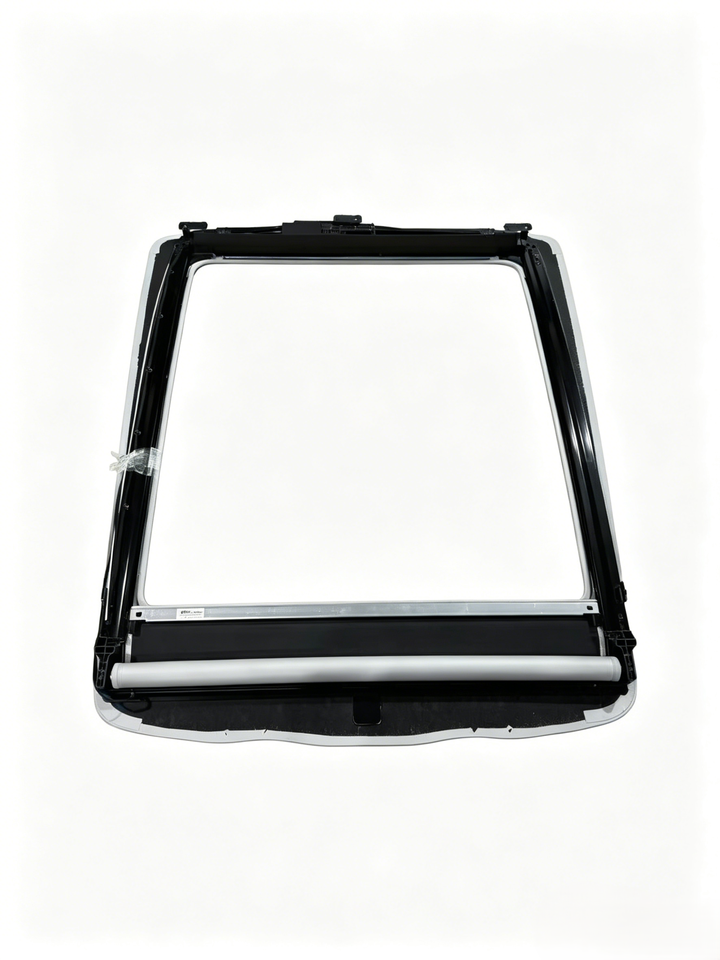
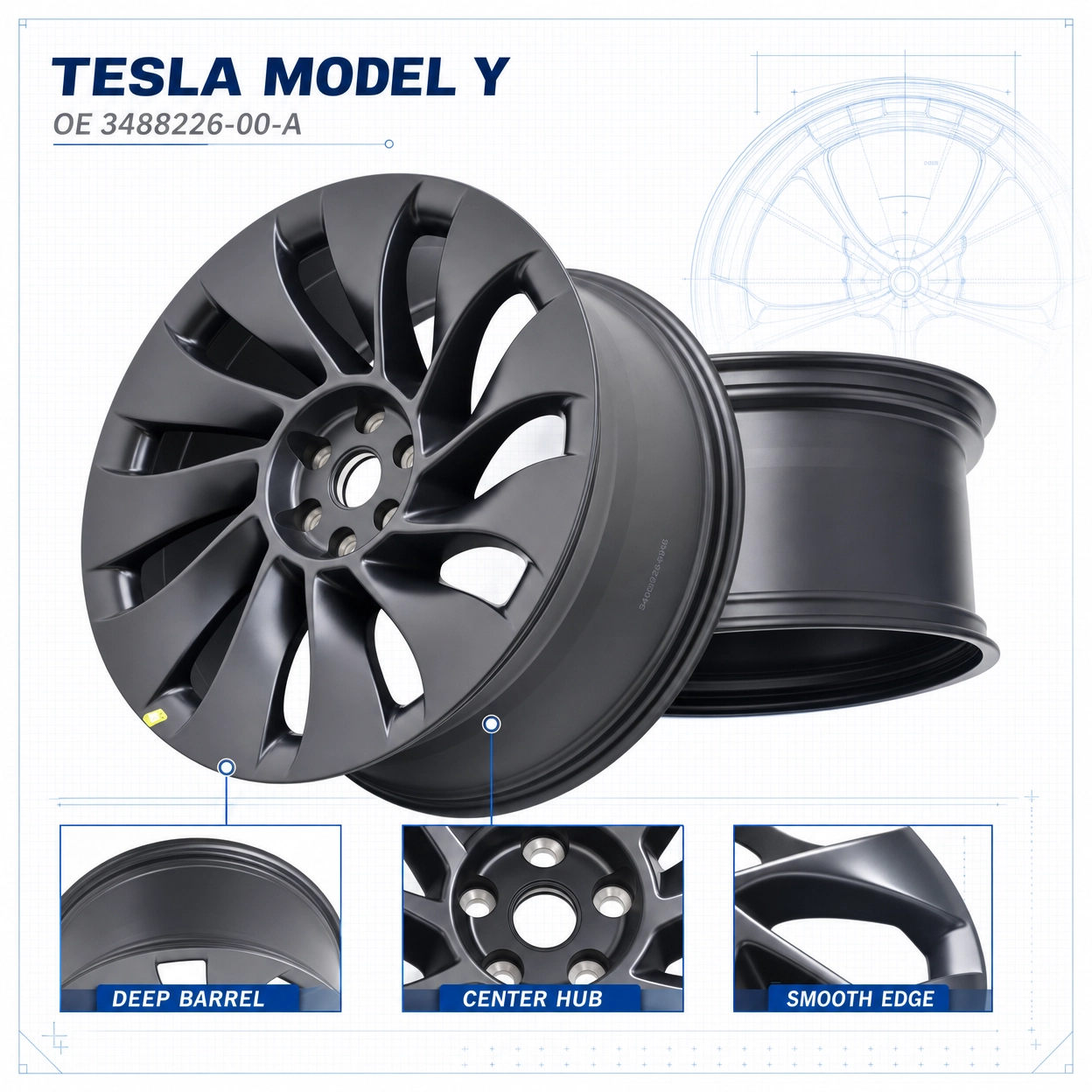
front fender
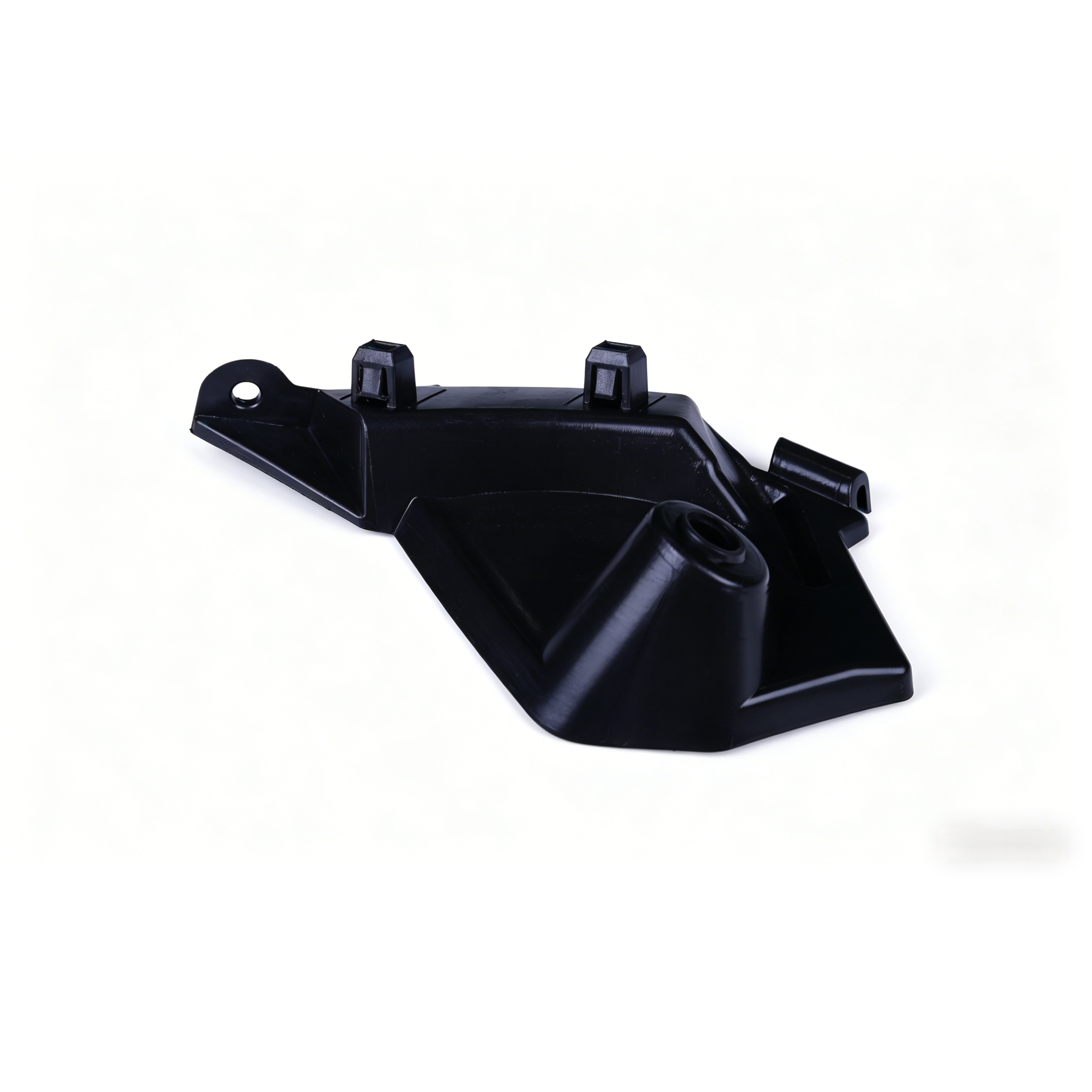
The front fender serves as a critical protective component positioned above the front wheels of vehicles, designed to shield both the vehicle body and surrounding environment from debris, water, mud, and road contaminants. This essential automotive part extends from the front bumper area along the wheel arch, creating a barrier that prevents materials kicked up by rotating tires from causing damage or creating hazardous conditions. Modern front fenders combine structural integrity with aesthetic appeal, contributing significantly to the overall design language of contemporary vehicles. Manufactured from various materials including steel, aluminum, plastic composites, and carbon fiber, the front fender must withstand constant exposure to environmental stressors while maintaining its protective capabilities. The component plays a vital role in aerodynamic performance, helping to direct airflow around the wheel wells and reduce drag coefficients. Beyond protection, front fenders incorporate mounting points for headlights, side markers, and trim pieces, making them integral to the vehicle's functional architecture. Advanced manufacturing techniques enable precise fitment and consistent quality, ensuring optimal gap alignment with adjacent body panels. The front fender design must accommodate suspension travel, steering geometry, and tire clearance while providing adequate coverage during all driving conditions. Regulatory compliance requires front fenders to meet specific safety standards, particularly regarding pedestrian impact protection and crash energy management. Modern iterations often feature integrated air ducts for brake cooling or aerodynamic enhancement, demonstrating how this component has evolved beyond simple splash protection. The strategic positioning of the front fender makes it vulnerable to parking incidents and minor collisions, which is why repairability and replacement accessibility remain important design considerations. Paint adhesion, corrosion resistance, and long-term durability factor heavily into material selection and surface preparation processes, ensuring the front fender maintains its appearance and protective function throughout the vehicle's lifecycle.





 EN
EN