engine hood
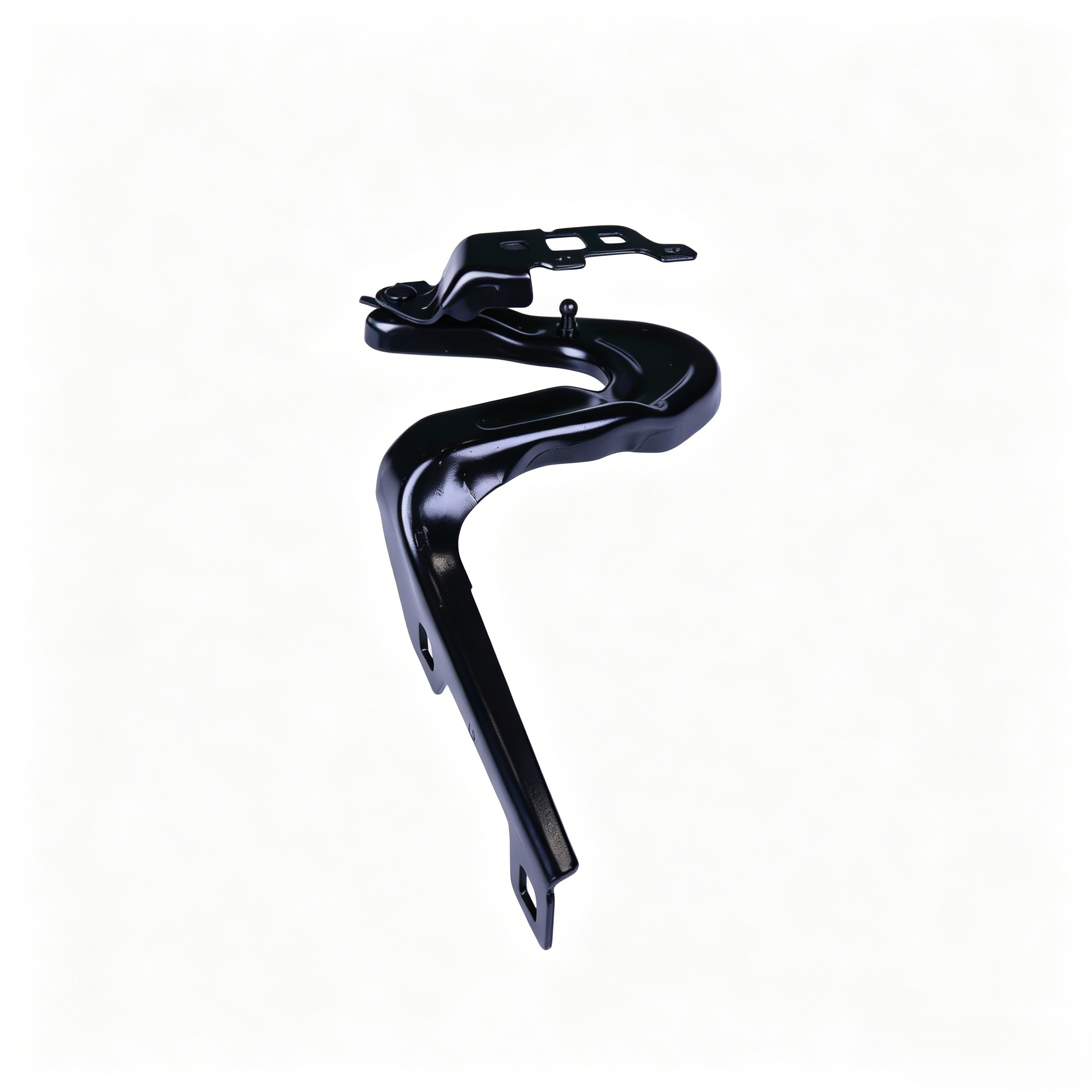
The engine hood serves as a critical protective component in automotive design, safeguarding the power plant beneath while contributing to vehicle aerodynamics and aesthetics. This essential panel creates a barrier between the engine compartment and external elements, preventing debris, moisture, and contaminants from compromising engine performance. Modern engine hoods incorporate advanced materials such as aluminum alloys, carbon fiber composites, and high-strength steel, each selected for specific performance characteristics including weight reduction, durability, and thermal management. The structural design integrates crumple zones that absorb impact energy during collisions, enhancing occupant safety through controlled deformation patterns. Ventilation systems built into the engine hood facilitate optimal air circulation, managing heat dissipation from high-performance engines while maintaining appropriate operating temperatures. Sound insulation layers bonded to the underside reduce engine noise transmission into the cabin, creating a quieter driving environment. The finish options range from factory paint matching the vehicle body to aftermarket alternatives like matte wraps, gloss coatings, and custom graphics. Hinges and support mechanisms enable easy access for maintenance procedures, with gas struts providing convenient hands-free operation. The engine hood also houses secondary components including washer nozzles, decorative emblems, and integrated lighting elements on select models. Aerodynamic sculpting reduces drag coefficients, improving fuel efficiency and high-speed stability. Manufacturing processes employ stamping, hydroforming, and composite molding techniques to achieve precise dimensional tolerances and surface quality. Quality control protocols verify panel gaps, alignment accuracy, and structural integrity before installation. The evolution of engine hood technology reflects broader automotive trends toward lightweighting, sustainability, and enhanced safety standards, making this component far more sophisticated than its simple appearance might suggest.




 EN
EN