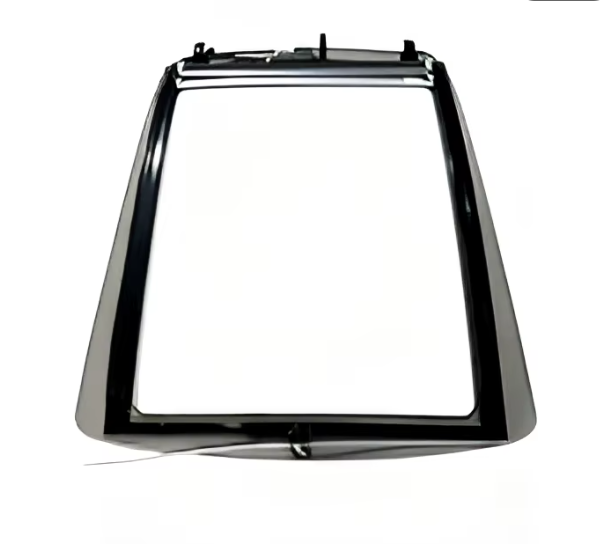
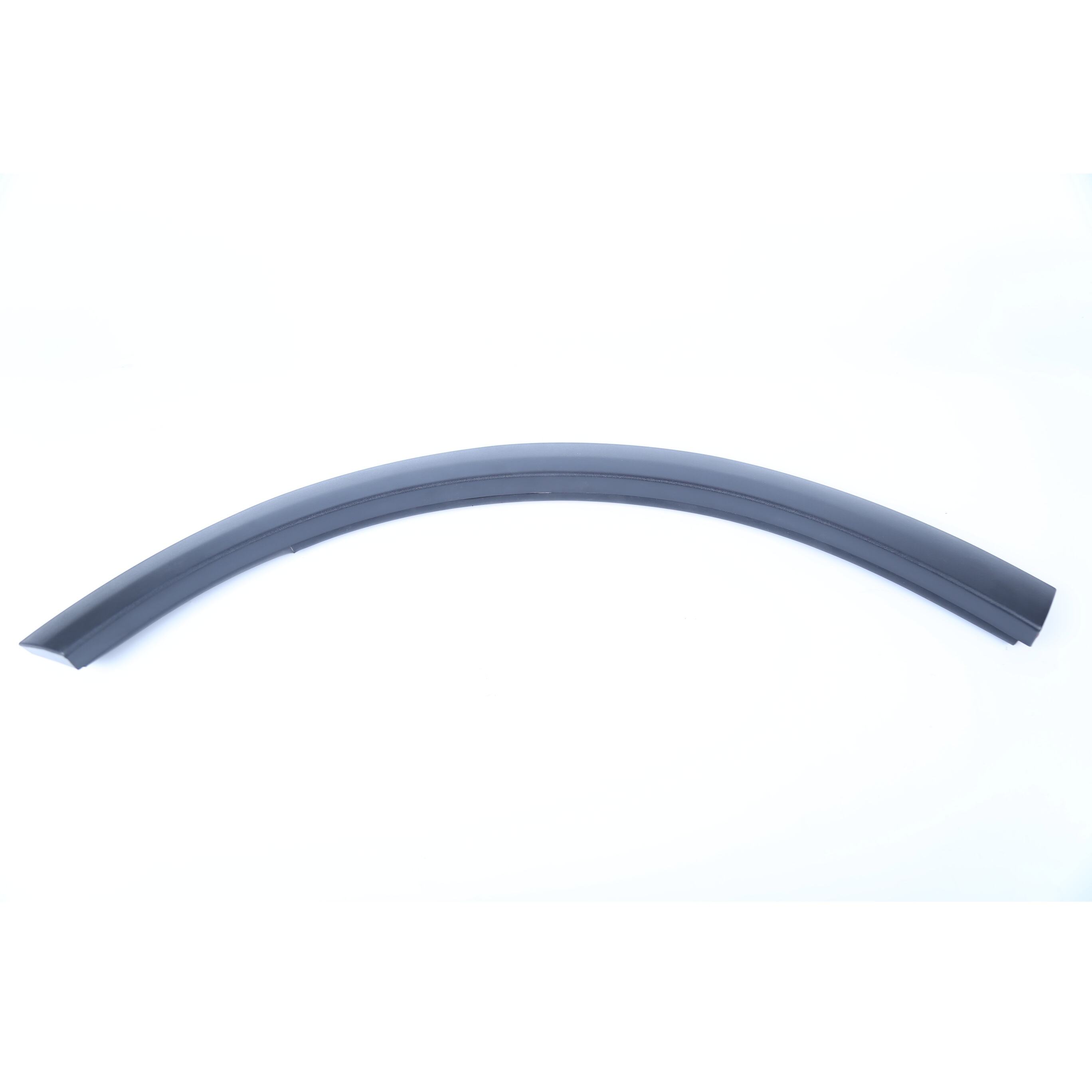
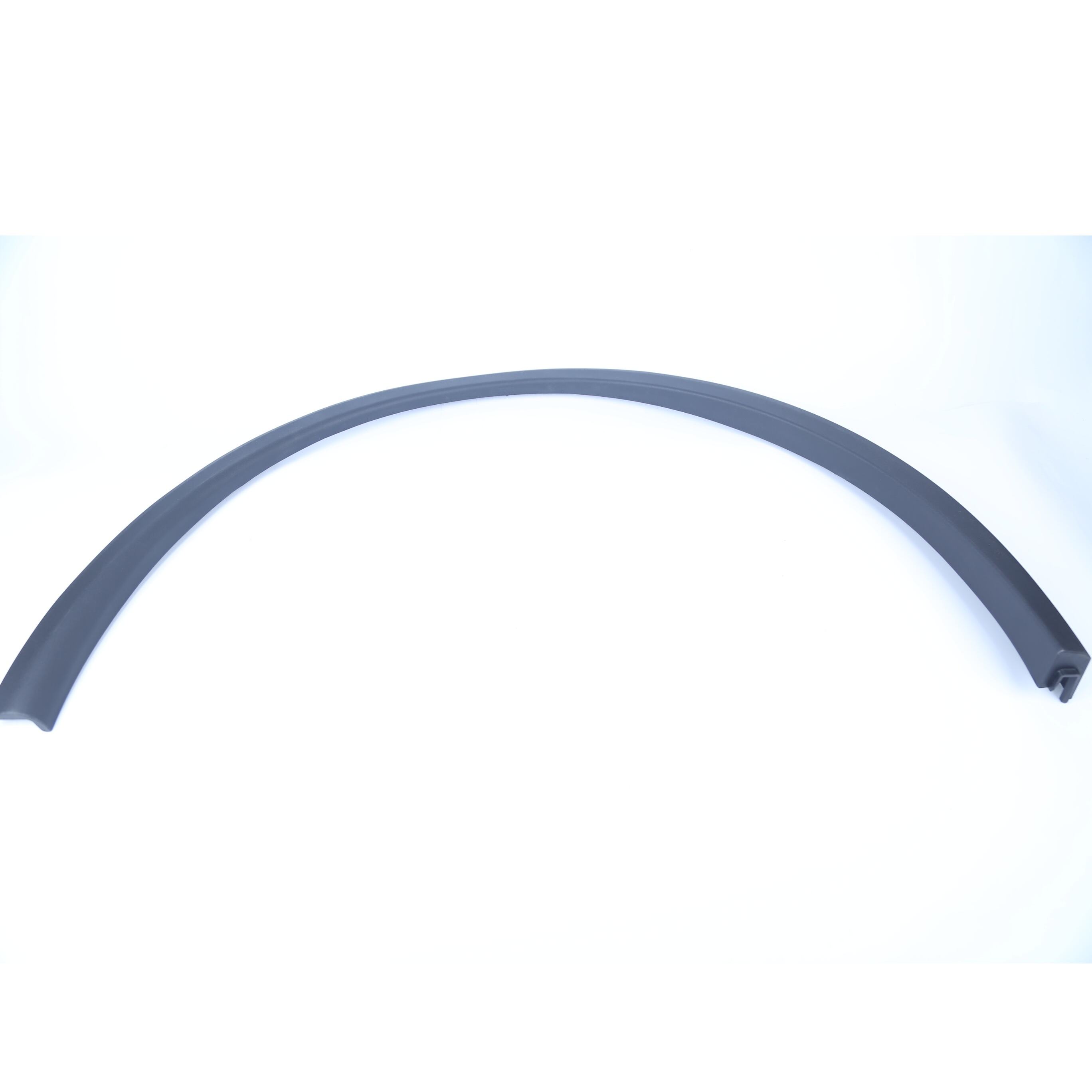
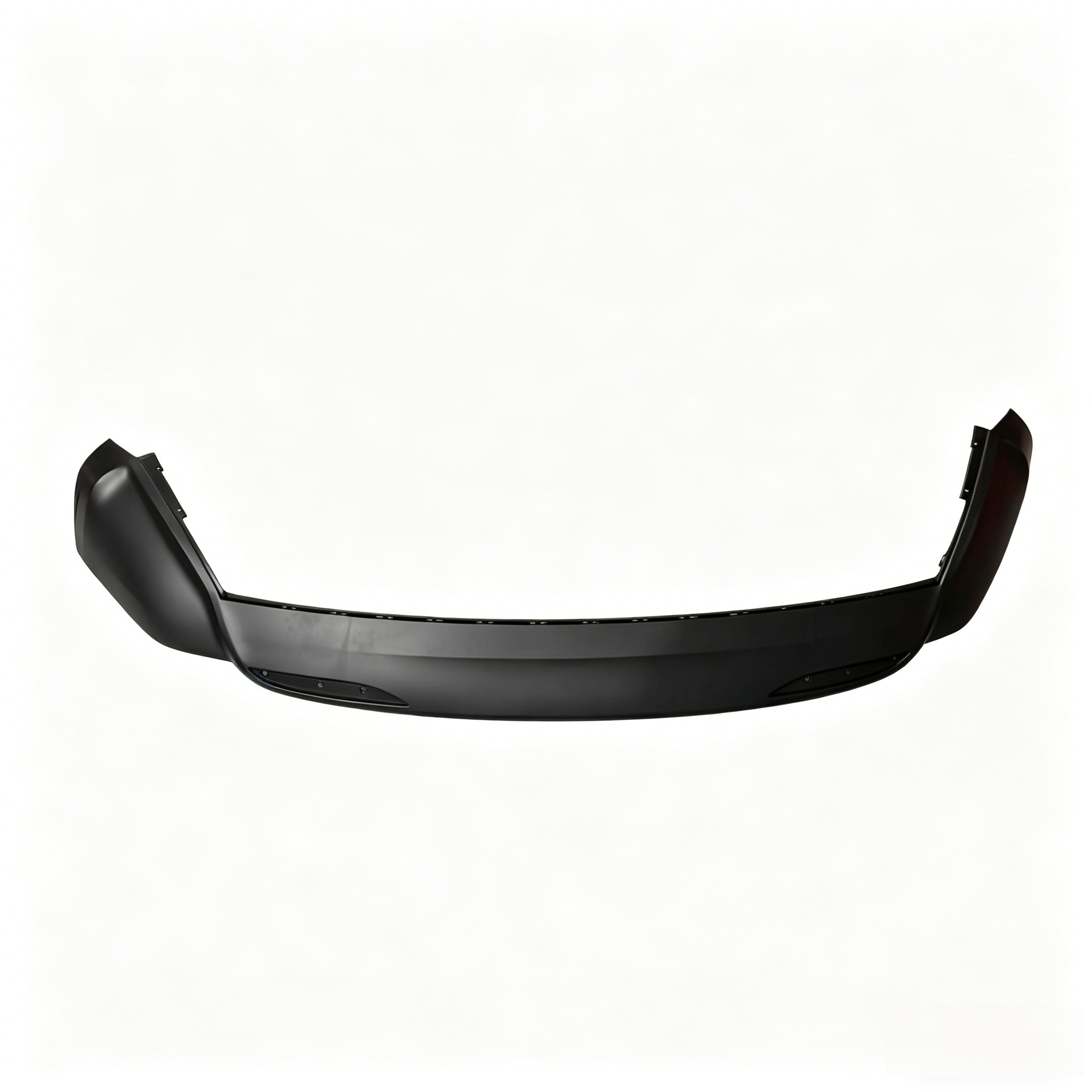
roof panel
Roof panel systems represent a crucial architectural component that serves as the primary protective barrier between interior spaces and external environmental elements. These engineered building materials have evolved significantly from traditional roofing methods, incorporating advanced manufacturing techniques and innovative material compositions to deliver superior performance across residential, commercial, and industrial applications. A roof panel functions as a comprehensive roofing solution that combines structural integrity with weather resistance, thermal insulation, and aesthetic versatility. Modern roof panel technology integrates multiple protective layers designed to withstand harsh climatic conditions including heavy rainfall, snow accumulation, intense ultraviolet radiation, and temperature fluctuations. The fundamental design of these panels emphasizes ease of installation, long-term durability, and minimal maintenance requirements. Manufacturing processes utilize precision engineering to create interlocking systems that ensure watertight seals and enhanced structural stability. The technological advancement in roof panel production has introduced sophisticated coating technologies, corrosion-resistant materials, and energy-efficient configurations that contribute to sustainable building practices. Applications span diverse construction sectors, from residential housing developments and commercial warehouses to agricultural facilities and industrial manufacturing plants. The versatility of roof panel designs accommodates various architectural styles, slope requirements, and load-bearing specifications. Contemporary roof panel solutions address critical performance metrics including fire resistance, wind uplift capacity, thermal conductivity, and acoustic insulation. These panels integrate seamlessly with modern building systems, supporting solar panel installations, ventilation equipment, and rainwater harvesting infrastructure. The selection of appropriate roof panel specifications depends on geographical location, climate patterns, building codes, structural requirements, and aesthetic preferences. Advanced roof panel technologies now incorporate reflective coatings that reduce heat absorption, contributing to lower cooling costs and improved interior comfort levels. The evolution of roof panel manufacturing continues to prioritize environmental sustainability through recyclable materials, reduced production waste, and energy-efficient performance characteristics that align with green building certifications and environmental standards.





 EN
EN