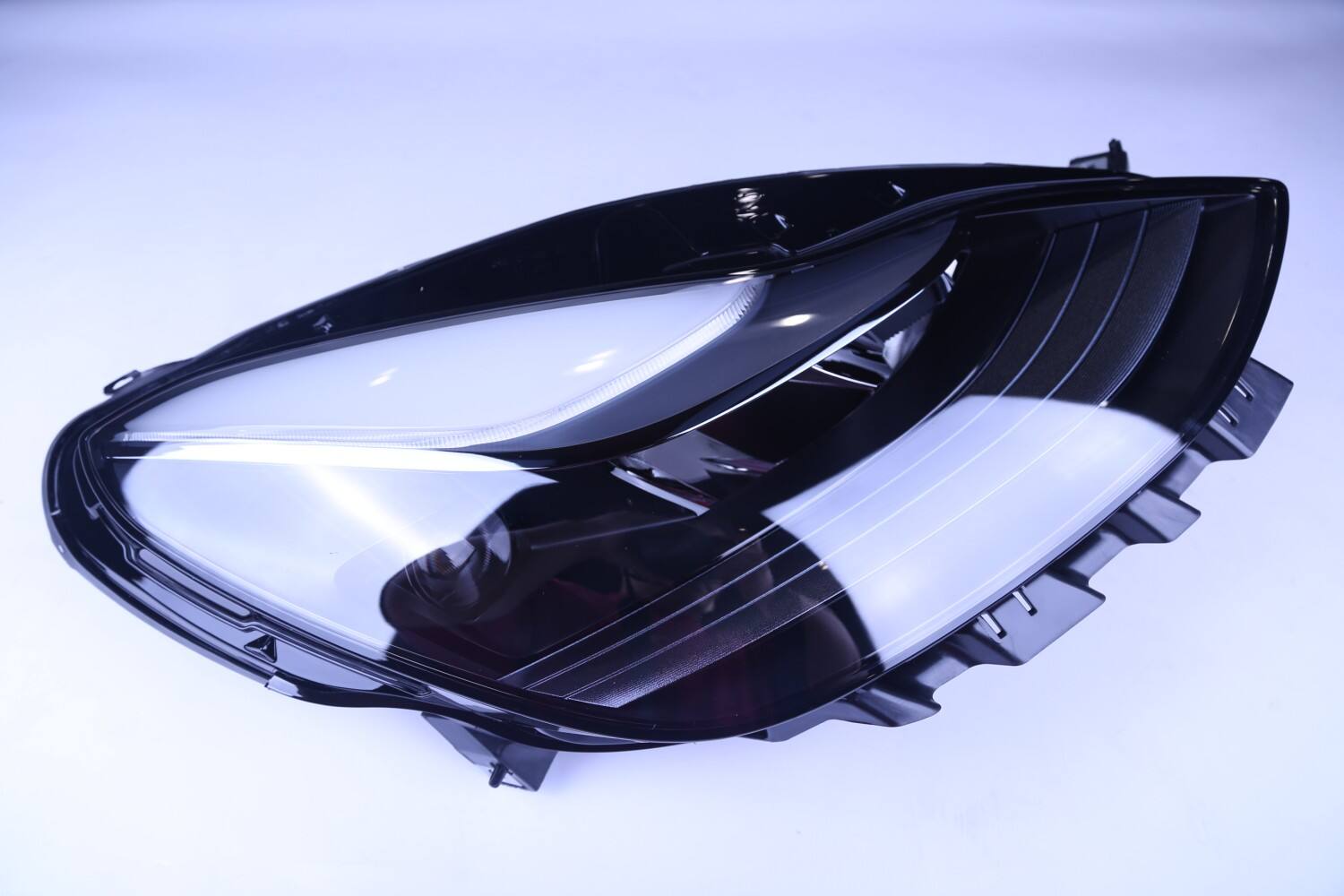
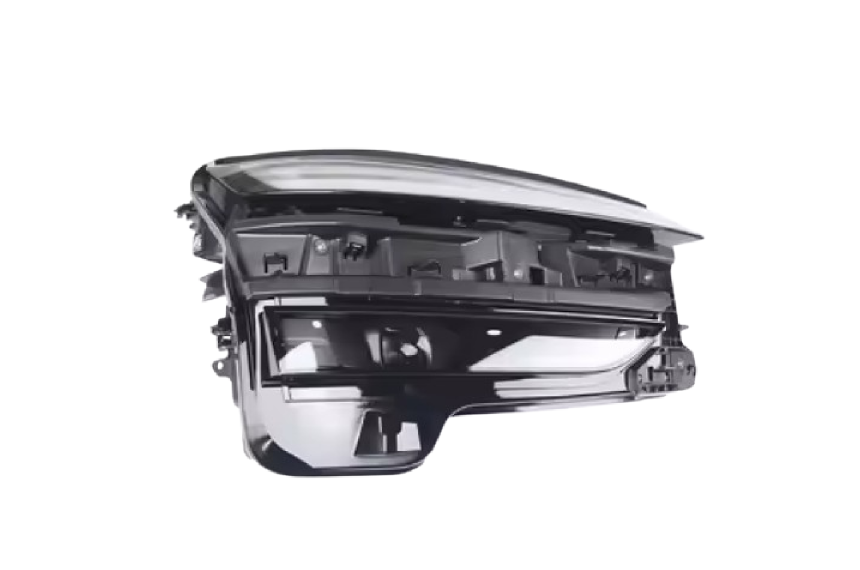
Advanced Adaptive Technology for Superior Road Illumination
The adaptive technology integrated into modern front headlight systems represents a revolutionary advancement in vehicular safety and driving convenience that fundamentally transforms how vehicles interact with road environments. Unlike traditional static lighting that maintains constant beam patterns regardless of driving conditions, adaptive front headlights employ sophisticated sensors and control algorithms to continuously monitor vehicle speed, steering angle, elevation changes, and ambient light levels, making real-time adjustments that optimize illumination for each unique situation. When you navigate a curved road, the cornering function activates automatically, directing additional light into the turn before you even begin steering, revealing potential hazards that would remain hidden with conventional lighting. This predictive illumination capability provides critical advance warning of pedestrians, cyclists, debris, or animals that might otherwise appear suddenly in your path. The automatic leveling feature compensates for vehicle load variations, preventing your headlight beams from pointing too high when cargo weight shifts rear suspension geometry, which could blind oncoming drivers, or too low when carrying minimal weight, which would reduce your forward visibility. During highway driving, the system extends beam reach to illuminate greater distances ahead, giving you more time to identify and respond to upcoming road conditions, while urban driving modes widen the pattern to better illuminate sidewalks, parked vehicles, and intersections where hazards can emerge from multiple directions. Rain and fog detection capabilities trigger specialized beam patterns that minimize reflection and glare from precipitation or moisture particles suspended in air, maintaining visibility when weather conditions would severely compromise traditional lighting effectiveness. The integration of front headlight systems with vehicle navigation data enables anticipatory adjustments based on upcoming road geometry, preparing optimal lighting configurations before you even reach curves, intersections, or elevation changes. This seamless coordination between lighting and driving dynamics occurs completely automatically, requiring no driver input while delivering dramatically improved visibility and safety margins. The energy efficiency of adaptive systems ensures these sophisticated features operate without imposing additional electrical demands on your vehicle, maintaining or even improving upon the power consumption of simpler alternatives while delivering substantially greater functionality and performance benefits that enhance every driving experience.







 EN
EN