Comprehensive Weather Protection and Durability
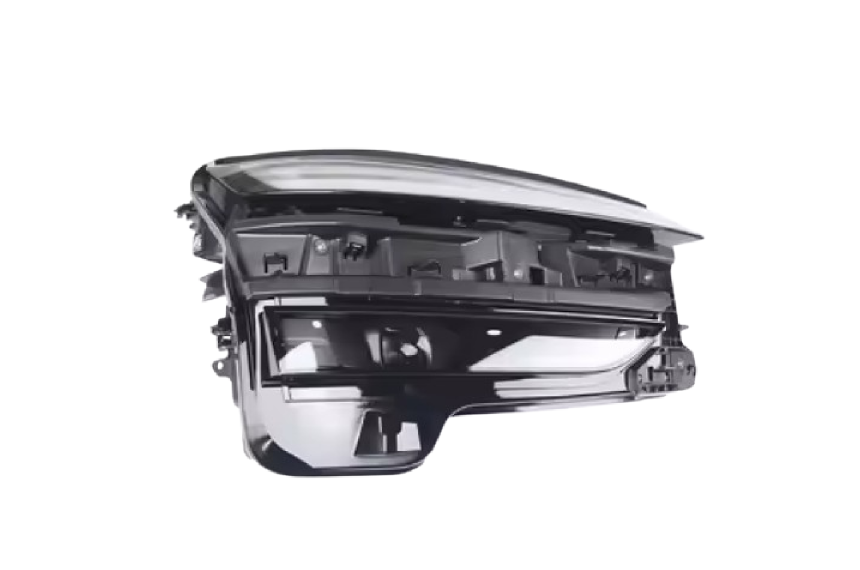
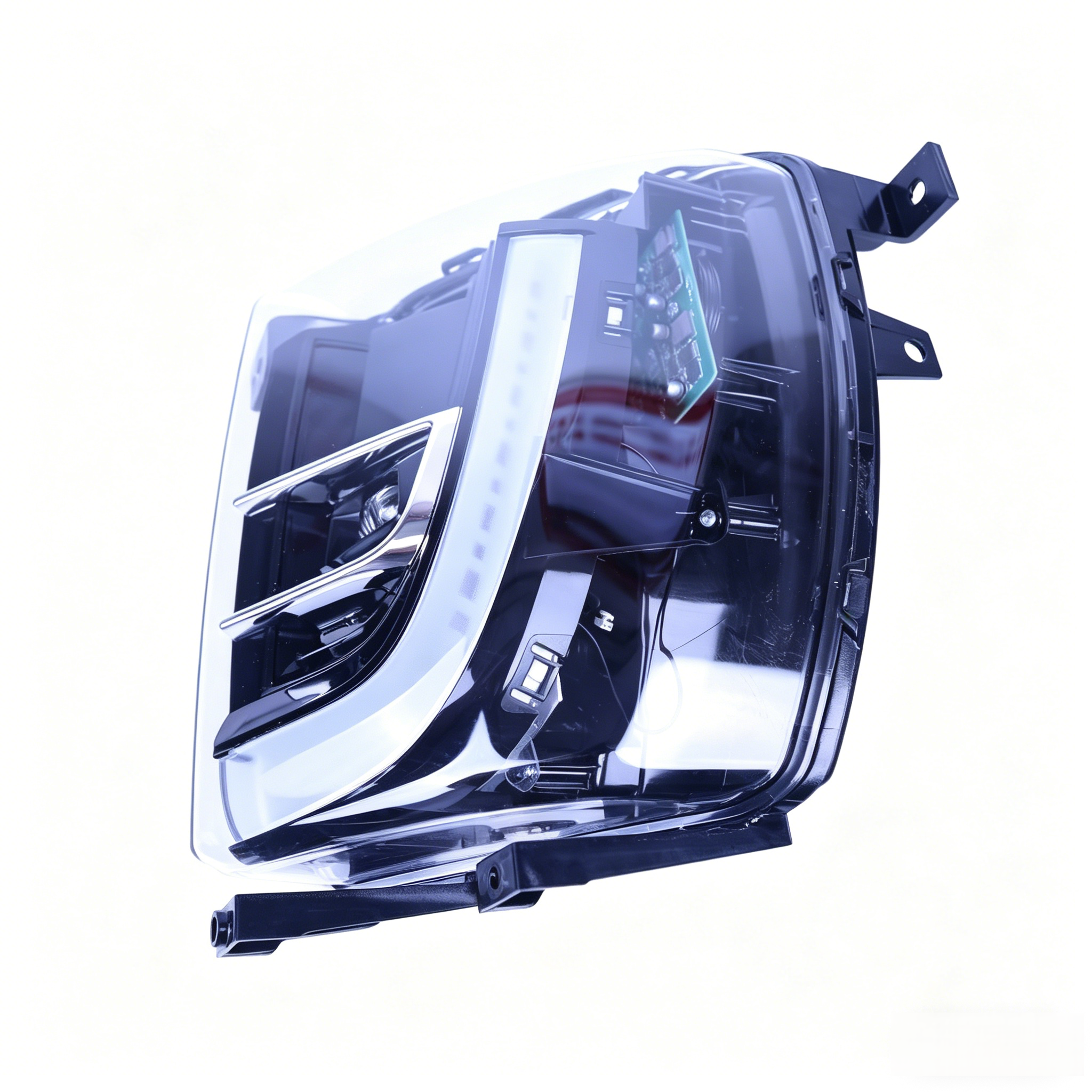
The robust construction methods employed in manufacturing quality headlight assemblies ensure reliable operation under extreme environmental conditions ranging from arctic cold to desert heat, protecting sensitive electrical components and optical elements from damage that could compromise safety or necessitate premature replacement. Sealed housing designs utilize multi-stage gasket systems and precision-molded joints that create waterproof barriers preventing moisture infiltration, which represents the primary cause of headlight assembly failures through internal condensation, electrical corrosion, and lens fogging. Ultraviolet-resistant polycarbonate lens materials maintain clarity and structural integrity despite prolonged exposure to intense sunlight, avoiding the yellowing and brittleness that plague inferior assemblies and reduce light transmission efficiency over time. Impact resistance testing subjects assemblies to simulated stone strikes, minor collision forces, and vibration stresses that replicate decades of normal driving conditions, validating that structural components will maintain proper alignment and protective functions throughout extended service periods. Corrosion-resistant coatings applied to metallic mounting brackets, adjustment mechanisms, and electrical terminals prevent rust formation in regions exposed to road salt, humidity, and chemical contaminants, ensuring smooth adjustment operations and reliable electrical connections even after years of exposure to harsh conditions. Thermal cycling evaluations verify that assemblies can withstand rapid temperature fluctuations without developing stress cracks, seal failures, or component separations, protecting your investment in regions experiencing dramatic day-night temperature variations or seasonal climate extremes. Vibration dampening mounting systems isolate headlight assemblies from engine tremors and road shock inputs that could otherwise cause premature bulb failures, electrical disconnections, or misalignment of precision optical components, extending service intervals and maintaining consistent beam patterns. Chemical resistance properties ensure that exposure to gasoline, motor oil, brake fluid, windshield washer solution, and cleaning products will not degrade lens materials, housing plastics, or seal compounds, allowing you to maintain your vehicle without risking damage to lighting components.



 EN
EN