Weather-Resistant Construction and Precision Engineering Ensure Reliable Long-Term Performance
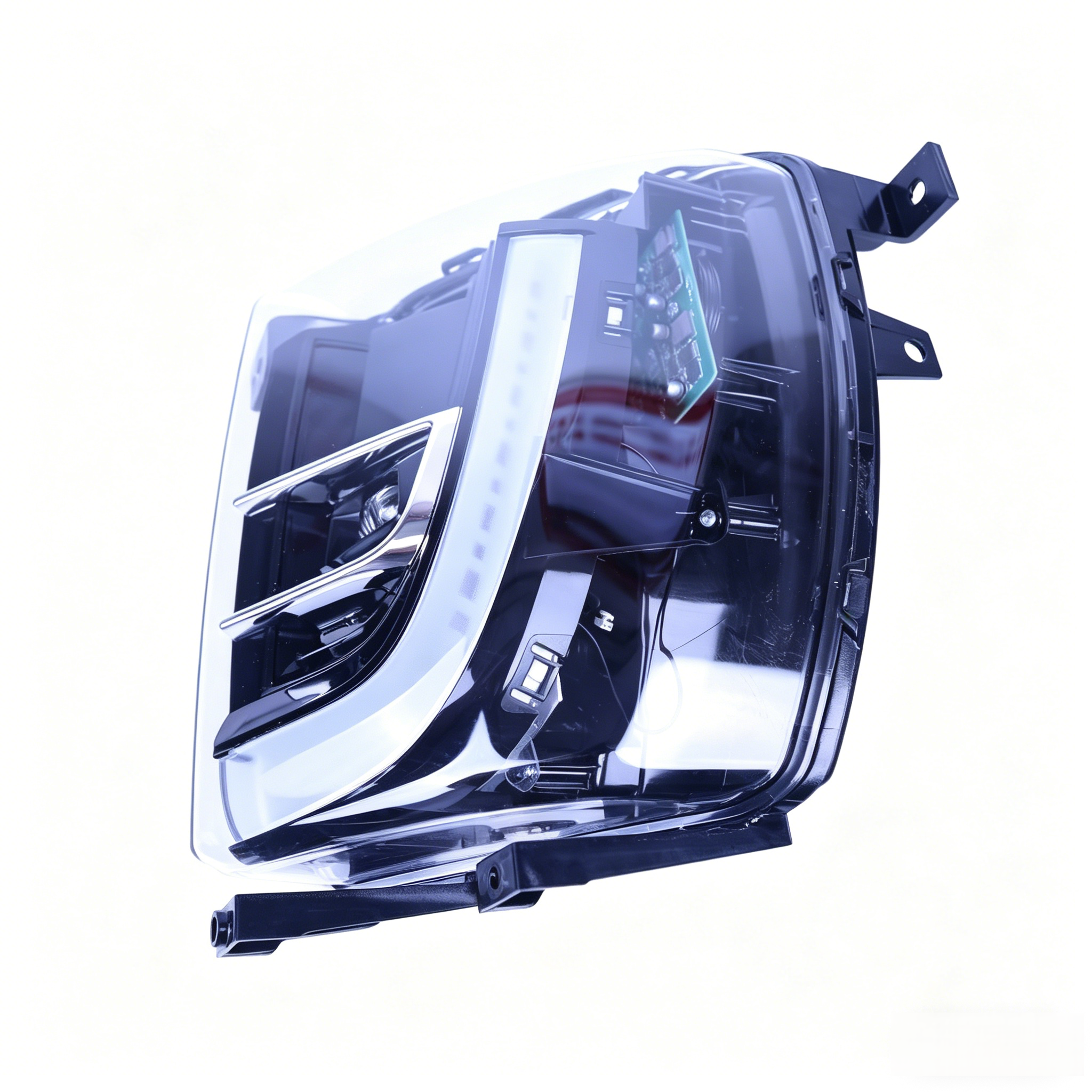
The demanding operating environment faced by vehicle headlight systems requires robust construction methodologies and precision engineering to maintain optical performance and structural integrity throughout years of continuous service exposure to mechanical vibration, temperature extremes, moisture, road chemicals, and ultraviolet radiation. Premium vehicle headlight assemblies incorporate multi-stage sealing systems featuring precisely molded gaskets, ultrasonic welding techniques, and breathable venting mechanisms that prevent moisture ingress while allowing pressure equalization, eliminating the condensation issues that plague inferior lighting products and maintaining crystal-clear lens transparency regardless of weather conditions. The lens materials used in quality vehicle headlight construction consist of specially formulated polycarbonate compounds that incorporate UV stabilizers and hard-coat surface treatments, providing exceptional impact resistance that protects against stone chip damage while resisting the yellowing and hazing that typically degrades untreated plastics exposed to sunlight over extended periods. Internal reflector surfaces in well-manufactured vehicle headlight units feature vacuum-deposited aluminum coatings with protective overcoats that maintain high reflectivity and resist oxidation from heat and chemical exposure, ensuring consistent light distribution patterns throughout the product's service life rather than gradually diminishing performance as reflective surfaces degrade. The mounting hardware and adjustment mechanisms integrated into professional-grade vehicle headlight assemblies utilize corrosion-resistant materials and precision-engineered components that maintain secure attachment and allow accurate beam alignment even after years of exposure to road salt, vibration, and thermal cycling that would compromise inferior fastening systems. Thermal management represents a critical engineering consideration in modern high-output vehicle headlight design, with advanced assemblies incorporating aluminum heat sinks, active cooling fans, or passive airflow channels that dissipate heat generated by high-intensity light sources, preventing thermal degradation of internal components and maintaining stable light output across varying ambient temperature conditions. Quality control procedures employed in the manufacturing of premium vehicle headlight products include photometric testing to verify beam pattern compliance with international standards, environmental chamber testing to confirm performance under temperature and humidity extremes, vibration testing to validate structural durability, and sample inspection protocols that ensure consistent production quality across manufacturing runs.





 EN
EN