Longevity and Corrosion Resistance for Extended Service Life
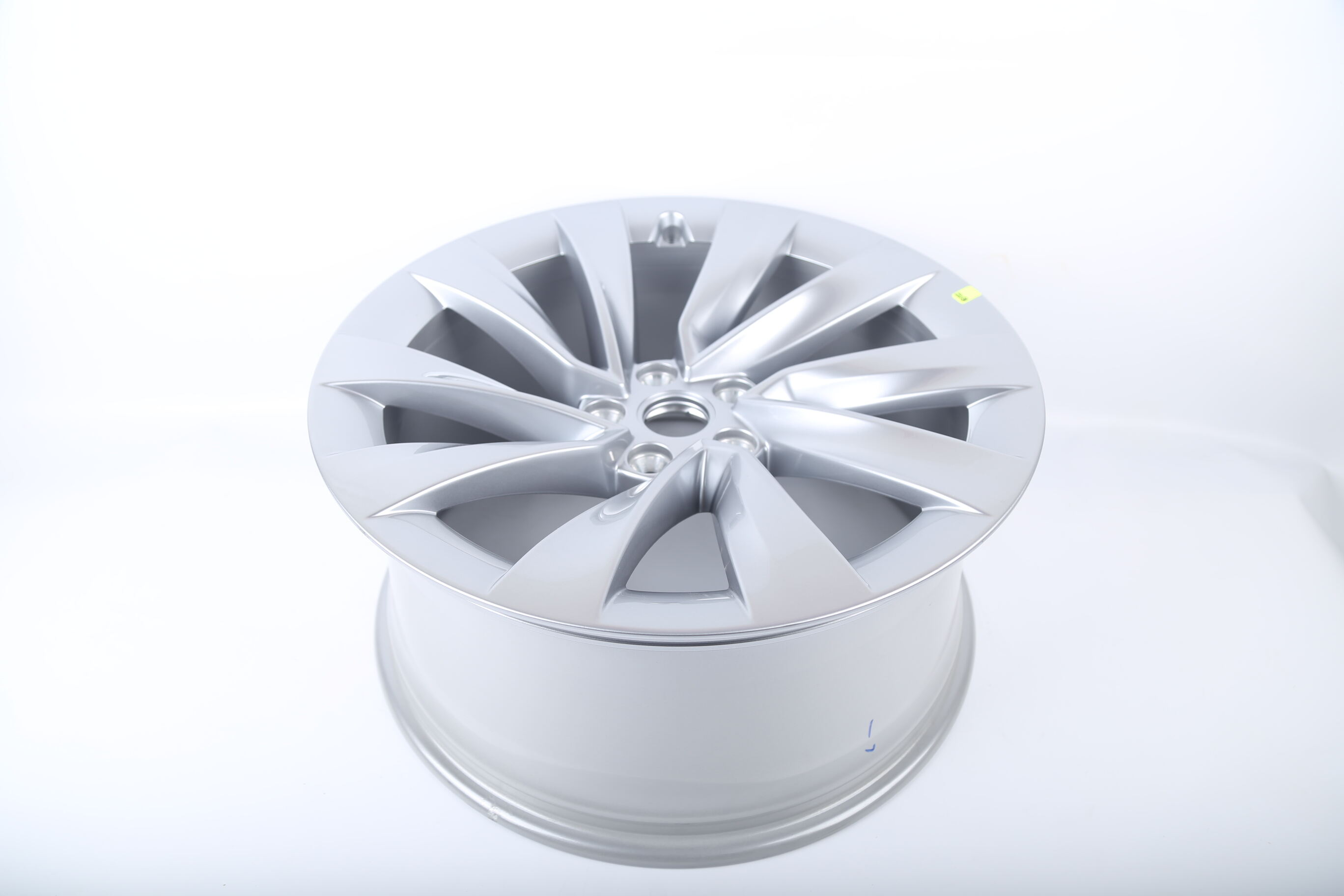
The durability characteristics engineered into wheel base alloys deliver exceptional service longevity that protects customer investments while reducing lifecycle ownership costs associated with wheel replacement and maintenance. Corrosion resistance stands as a primary durability feature, achieved through careful alloy composition selection and advanced surface treatment technologies that create protective barriers against environmental attack. Wheel base alloys face continuous exposure to moisture, road salt, brake dust, industrial pollutants, and temperature fluctuations that accelerate material degradation in unprotected metals. Modern wheel base alloys incorporate corrosion-inhibiting elements within their base metallurgy and receive additional protection through anodizing, powder coating, or specialized finishing processes that seal surfaces against moisture infiltration and chemical reactions. The salt spray testing protocols applied to wheel base alloys simulate years of winter driving exposure within accelerated timeframes, verifying that protective systems remain intact and functional throughout expected service intervals. Unlike steel wheels that develop rust penetration requiring replacement, wheel base alloys maintain structural integrity even when cosmetic finishes experience minor damage, as the underlying alloy composition resists progressive corrosion that compromises safety. Fatigue resistance represents another critical longevity factor, as wheels endure millions of stress cycles throughout their operational lifetime from road impacts, cornering loads, and acceleration forces. The microstructural characteristics of wheel base alloys, refined through controlled cooling rates and heat treatment schedules, create grain structures that resist crack initiation and propagation mechanisms that cause fatigue failures. Quality manufacturers employ X-ray inspection, ultrasonic testing, and destructive sampling protocols during production to verify that wheel base alloys achieve consistent material properties without defects that could serve as fatigue crack origins. The damage tolerance of wheel base alloys allows them to withstand impacts from potholes, curbs, and road debris that would permanently deform or fracture lesser materials, often requiring only minor refinishing rather than complete replacement. Environmental sustainability connects to longevity because extended service life reduces resource consumption and waste generation associated with frequent wheel replacement cycles. Wheel base alloys maintain dimensional accuracy throughout their service life, ensuring proper tire seating, balanced rotation, and hub mounting that prevent vibrations and premature tire wear. The combination of corrosion protection, fatigue resistance, impact tolerance, and structural stability engineered into wheel base alloys creates a comprehensive durability package that delivers reliable performance and aesthetic appeal from initial installation through decades of vehicle operation across diverse climate zones and operational scenarios.





 EN
EN