High Beam and Low Beam Headlights: Complete Guide to Automotive Lighting Safety and Technology

Get a Free Quote

Our representative will contact you soon.
Email
Name
Company Name
Message
0/1000

high beam and low beam

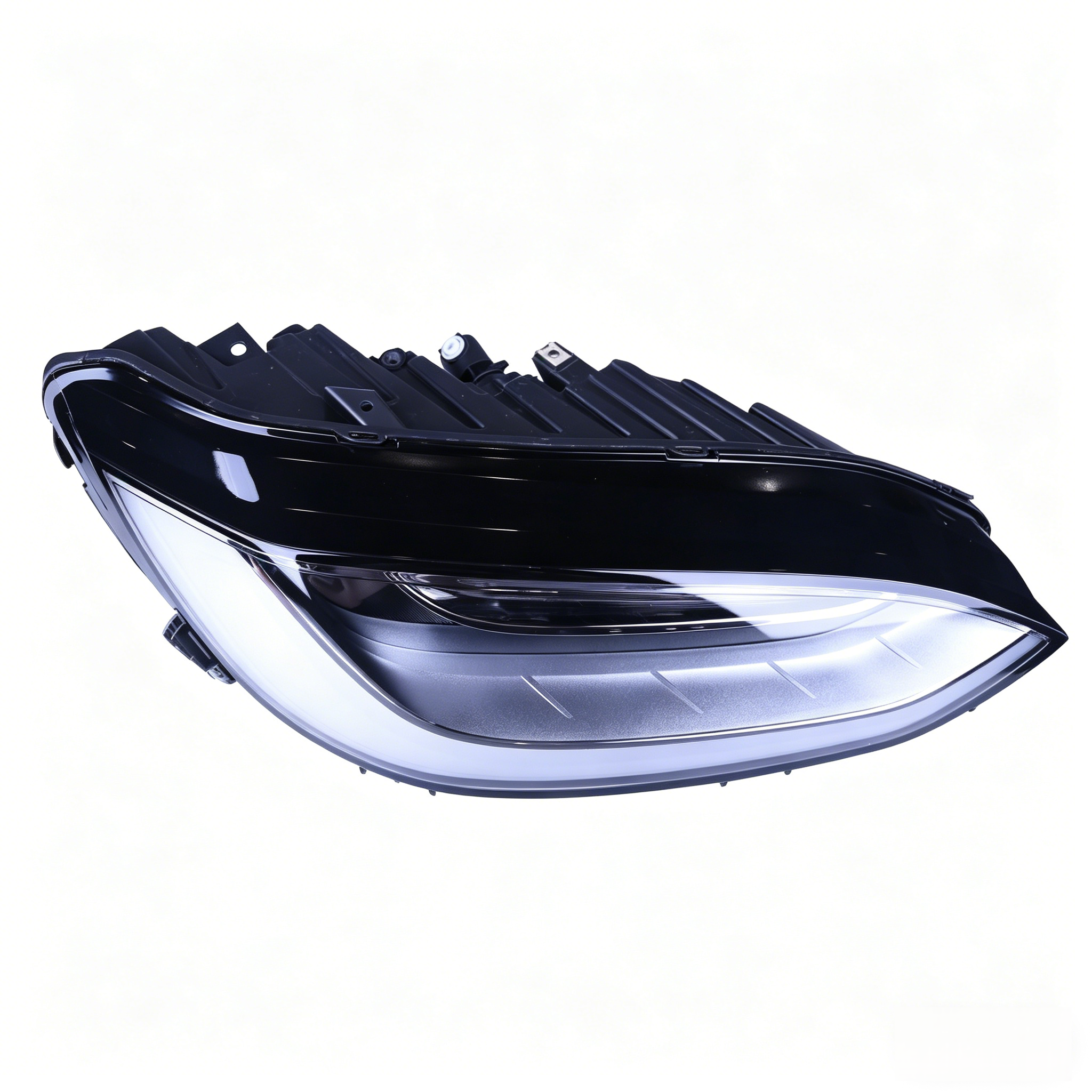
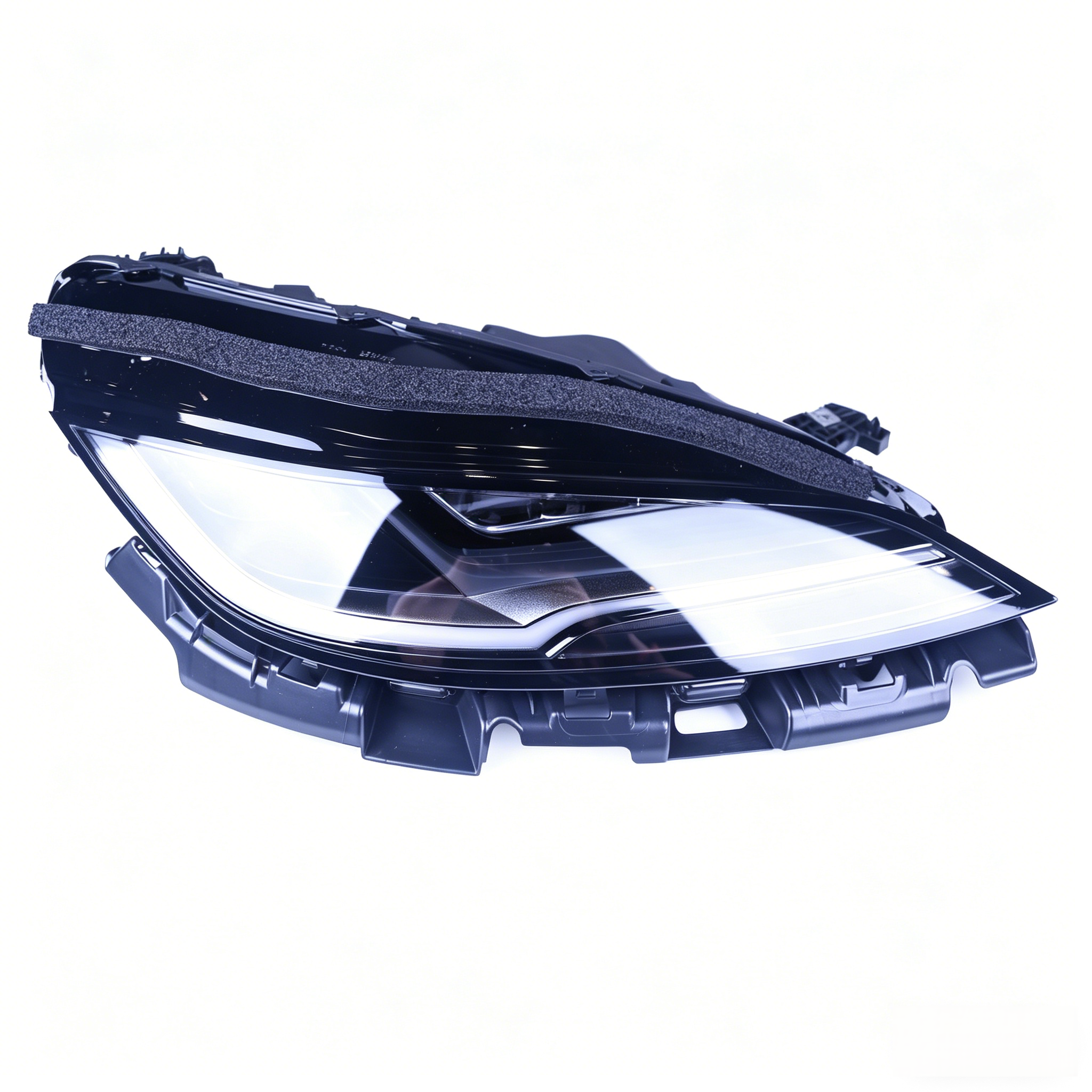
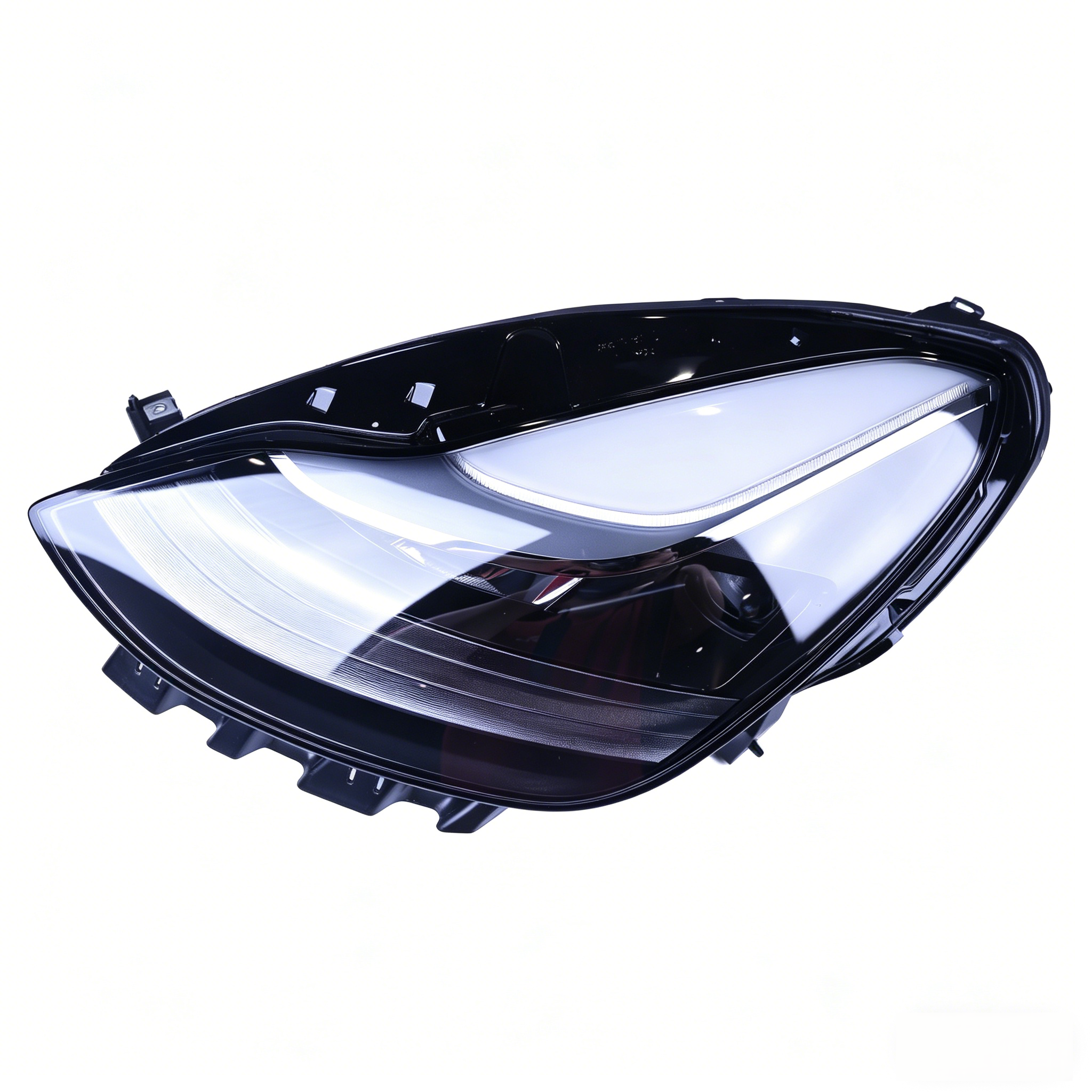
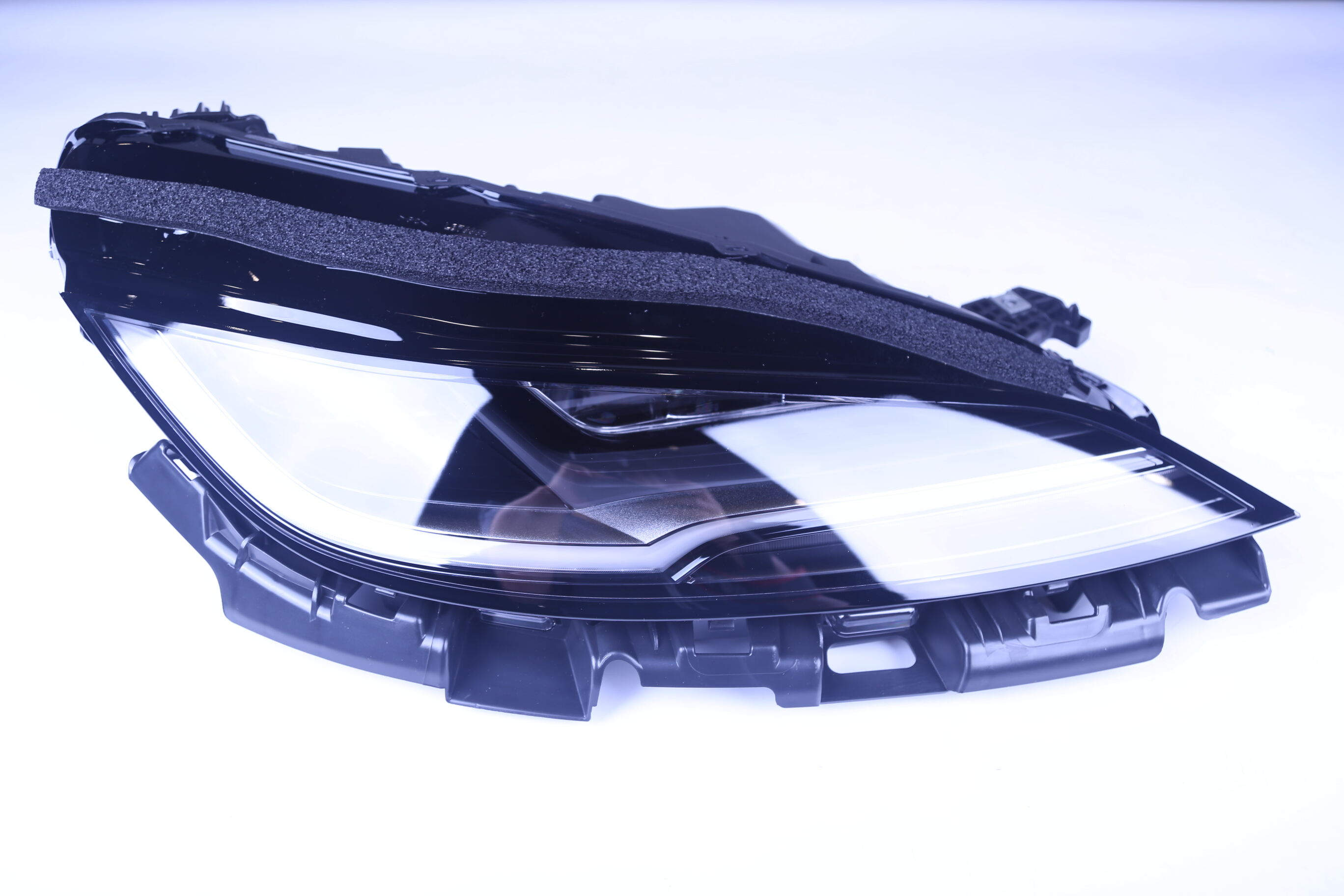
High beam and low beam headlights represent fundamental lighting systems in modern vehicles, serving as essential safety features that enable drivers to navigate various road conditions with confidence and clarity. These two distinct lighting modes work together to provide optimal visibility while ensuring the safety of all road users. The high beam and low beam system incorporates advanced illumination technology designed to adapt to different driving scenarios, from well-lit urban streets to dark rural highways. Low beam headlights, also known as dipped beams, project light downward and toward the road surface at a controlled angle, typically illuminating approximately 160 to 200 feet ahead of the vehicle. This directional focus prevents the light from shining directly into the eyes of oncoming drivers or reflecting off rearview mirrors of vehicles ahead. The low beam pattern uses specially designed reflectors and lenses that create a sharp cutoff line, directing light where it matters most while minimizing glare. High beam headlights, conversely, emit a more powerful and far-reaching light pattern that can illuminate up to 400 feet or more ahead, providing maximum visibility on unobstructed roads. The high beam and low beam configuration utilizes either separate bulbs for each function or dual-filament bulbs that can switch between modes. Modern vehicles increasingly incorporate LED technology, halogen bulbs, or HID xenon systems to power these essential lighting functions. The technological sophistication behind high beam and low beam systems includes precise optical engineering, where reflector geometry, lens design, and bulb positioning combine to create specific light patterns. Advanced vehicles now feature automatic high beam and low beam switching systems that use sensors to detect oncoming traffic and ambient light conditions, seamlessly transitioning between modes without driver intervention. This intelligent automation enhances safety by ensuring appropriate lighting is always active while reducing driver workload during nighttime journeys.

Popular Products

The advantages of high beam and low beam headlights extend far beyond basic illumination, offering drivers comprehensive benefits that enhance safety, convenience, and driving confidence across all conditions. First and foremost, the dual-mode nature of high beam and low beam systems provides unmatched versatility, allowing drivers to adapt their vehicle's lighting output to match current road situations. When driving through populated areas, residential neighborhoods, or encountering other vehicles, low beam headlights deliver adequate forward visibility while demonstrating courtesy and legal compliance by preventing glare that could temporarily blind other motorists. This considerate illumination reduces accident risks and promotes harmonious traffic flow. The controlled light pattern of low beams also minimizes reflections from fog, rain, or snow, improving visibility in adverse weather conditions where high beams would create dangerous reflection and reduced sight lines. Switching to high beam headlights on empty highways, rural roads, or poorly lit areas dramatically extends your visual range, giving you precious additional seconds to identify and react to potential hazards such as wildlife, pedestrians, debris, or road damage. This extended warning time can mean the difference between a safe stop and a dangerous collision. The high beam and low beam combination also reduces driver fatigue during long nighttime journeys by providing appropriate illumination that doesn't strain the eyes yet offers sufficient light to maintain alertness and road awareness. Modern high beam and low beam systems equipped with LED or HID technology offer superior energy efficiency compared to traditional halogen bulbs, drawing less power from your vehicle's electrical system while producing brighter, whiter light that more closely mimics natural daylight. This improved color temperature enhances your ability to distinguish objects, read road signs, and perceive depth accurately. The longevity of contemporary high beam and low beam bulbs, particularly LED variants, means reduced replacement frequency, lower maintenance costs, and fewer instances of unexpected bulb failure that could compromise safety. Automatic high beam and low beam systems available in newer vehicles add another layer of convenience and safety by eliminating the need for manual switching, ensuring optimal lighting is always engaged while freeing drivers to focus entirely on the road ahead. The reliability and standardization of high beam and low beam controls across virtually all vehicles mean drivers can confidently operate these systems in any car without confusion or hesitation, making this safety feature universally accessible and user-friendly for all experience levels.

Tips And Tricks

Consolidating Foundations, Forging New Paths, Gathering Momentum for Breakthroughs - Jiapei's Two Grand Events of 2026 Conclude Successfully

09

Apr

Consolidating Foundations, Forging New Paths, Gathering Momentum for Breakthroughs - Jiapei's Two Grand Events of 2026 Conclude Successfully

View More
Shanghai Jiapei Partners with Mahle to Launch a New Journey in China's Chassis Aftermarket

07

Apr

Shanghai Jiapei Partners with Mahle to Launch a New Journey in China's Chassis Aftermarket

View More
Jiapei's 2025 Yan'an Summit Concludes Successfully: Empowered by Red Gene, Embarking on a New Journey of

28

Apr

Jiapei's 2025 Yan'an Summit Concludes Successfully: Empowered by Red Gene, Embarking on a New Journey of "Nurturing Ambition, Securing Customer Trust, Forging the Future"

View More

Get a Free Quote

Our representative will contact you soon.
Email
Name
Company Name
Message
0/1000

high beam and low beam

Adaptive Illumination for Maximum Safety and Courtesy

Adaptive Illumination for Maximum Safety and Courtesy

The primary distinction that makes high beam and low beam systems indispensable lies in their adaptive illumination capabilities, which balance personal visibility needs with the safety and comfort of other road users. This dual-functionality represents sophisticated automotive engineering that addresses the fundamental challenge of nighttime driving: seeing clearly without compromising others' ability to do the same. Low beam headlights solve this challenge through precision-engineered light distribution that directs illumination downward and asymmetrically across the road surface. The carefully calculated cutoff angle prevents light from projecting upward into the sight lines of oncoming drivers while still providing comprehensive coverage of your immediate driving path, shoulder areas, and road edges where pedestrians or cyclists might appear. This targeted approach means you maintain full awareness of your surroundings without creating hazardous glare conditions. The high beam and low beam transition becomes crucial when road conditions change, such as when leaving city streets for open highways or when the last oncoming vehicle passes and the road ahead lies empty. Activating high beams in these appropriate situations floods the road ahead with powerful illumination that can reveal obstacles, animals, or hazards at distances exceeding 400 feet, providing ample reaction time even at highway speeds. Modern adaptive high beam and low beam systems take this safety concept further by incorporating camera sensors and intelligent processing that continuously monitor traffic conditions. These advanced configurations can selectively dim portions of the high beam pattern to avoid dazzling specific vehicles while maintaining maximum illumination in unoccupied zones, effectively providing continuous high-visibility lighting without the traditional requirement to manually toggle between modes. This technological evolution of high beam and low beam functionality represents a significant safety advancement, reducing the cognitive load on drivers while ensuring optimal lighting at all times. The courtesy aspect of proper high beam and low beam usage cannot be overstated, as responsible switching between modes demonstrates driver awareness and consideration, contributing to safer roads for everyone while preventing the aggressive glare that can trigger road rage incidents or cause temporary vision impairment that leads to accidents.
Enhanced Visibility Technology Across Weather Conditions

Enhanced Visibility Technology Across Weather Conditions

The technological sophistication embedded within modern high beam and low beam systems delivers exceptional performance across diverse environmental conditions, representing a critical safety feature that adapts to weather challenges and ambient lighting variations. Understanding how high beam and low beam headlights interact with different atmospheric conditions helps drivers make informed decisions about which mode to engage for optimal visibility. Low beam headlights excel in foggy, rainy, or snowy conditions because their downward-angled light pattern minimizes reflection off suspended water particles or snowflakes that would otherwise create a blinding white wall of reflected light. The focused beam pattern of low beams cuts beneath fog layers more effectively, illuminating the road surface while reducing the backscatter effect that makes high beams counterproductive in these situations. The high beam and low beam distinction becomes particularly important during precipitation events, where choosing the correct mode directly impacts your ability to see and be seen. Contemporary high beam and low beam bulb technologies, particularly LED and HID systems, offer significant advantages over traditional halogen options by producing light with color temperatures ranging from 4000K to 6000K, closely approximating natural daylight. This whiter, crisper light improves contrast recognition, allowing drivers to distinguish road markings, signs, and obstacles more readily than the yellowish glow of older halogen systems. The improved color rendering also reduces eye strain during extended nighttime driving, as the human eye processes daylight-spectrum illumination more naturally and with less fatigue. Advanced high beam and low beam configurations now incorporate automatic leveling systems that adjust the vertical aim of headlights based on vehicle load and road incline, ensuring the light pattern remains optimally positioned regardless of how many passengers or how much cargo you're carrying. This automatic compensation prevents the dangerous situation where heavily loaded vehicles point their headlights skyward, creating glare for oncoming traffic while leaving the immediate road area poorly illuminated. The durability and instant-on characteristics of modern high beam and low beam systems, especially LED variants, provide additional safety margins by eliminating warm-up periods and delivering full illumination immediately upon activation, ensuring you're never left with inadequate lighting during critical moments.
Energy Efficiency and Long-Term Value Benefits

Energy Efficiency and Long-Term Value Benefits

Beyond immediate safety and visibility advantages, high beam and low beam systems incorporating modern lighting technologies deliver substantial long-term value through energy efficiency, reduced maintenance requirements, and extended operational lifespan that benefit both vehicle owners and the environment. Traditional halogen high beam and low beam bulbs, while functional, consume significant electrical power and generate considerable heat, placing demands on the vehicle's alternator and battery while requiring frequent replacement due to relatively short lifespans averaging 500 to 1000 hours of operation. The evolution toward LED technology in high beam and low beam applications has revolutionized automotive lighting economics, with LED systems drawing approximately 60 to 70 percent less power than equivalent halogen bulbs while producing equal or superior light output. This dramatic efficiency improvement translates to reduced fuel consumption, as the engine works less to power the alternator that charges the battery and runs electrical systems. For drivers who frequently operate their vehicles during darkness or in conditions requiring headlight use, these efficiency gains accumulate into measurable fuel savings over the vehicle's lifetime. The longevity of LED high beam and low beam systems represents another compelling value proposition, with quality LED headlights often lasting 15000 to 30000 hours or more before requiring replacement, potentially outlasting the vehicle's ownership period entirely. This extended lifespan eliminates the recurring cost and inconvenience of bulb replacements, reduces waste generation, and ensures consistent lighting performance without the gradual degradation that affects traditional bulbs. Modern high beam and low beam systems also incorporate robust thermal management technologies, including heat sinks and active cooling, that protect sensitive electronic components and maintain optimal operating temperatures even during extended use. The reliability of contemporary high beam and low beam configurations means drivers can depend on their headlights functioning correctly when needed most, without fear of unexpected failures during critical nighttime journeys. Environmental considerations further enhance the value proposition of advanced high beam and low beam technologies, as reduced power consumption lowers overall vehicle emissions while the extended lifespan of LED systems decreases the environmental impact associated with manufacturing, packaging, and disposing of replacement bulbs. Insurance providers and safety organizations increasingly recognize vehicles equipped with superior high beam and low beam systems, sometimes offering premium reductions or safety ratings that acknowledge the accident-prevention value of advanced automotive lighting, providing additional financial benefits to owners who invest in vehicles with cutting-edge headlight technologies.

Get a Free Quote

Our representative will contact you soon.
Email
Name
Company Name
Message
0/1000