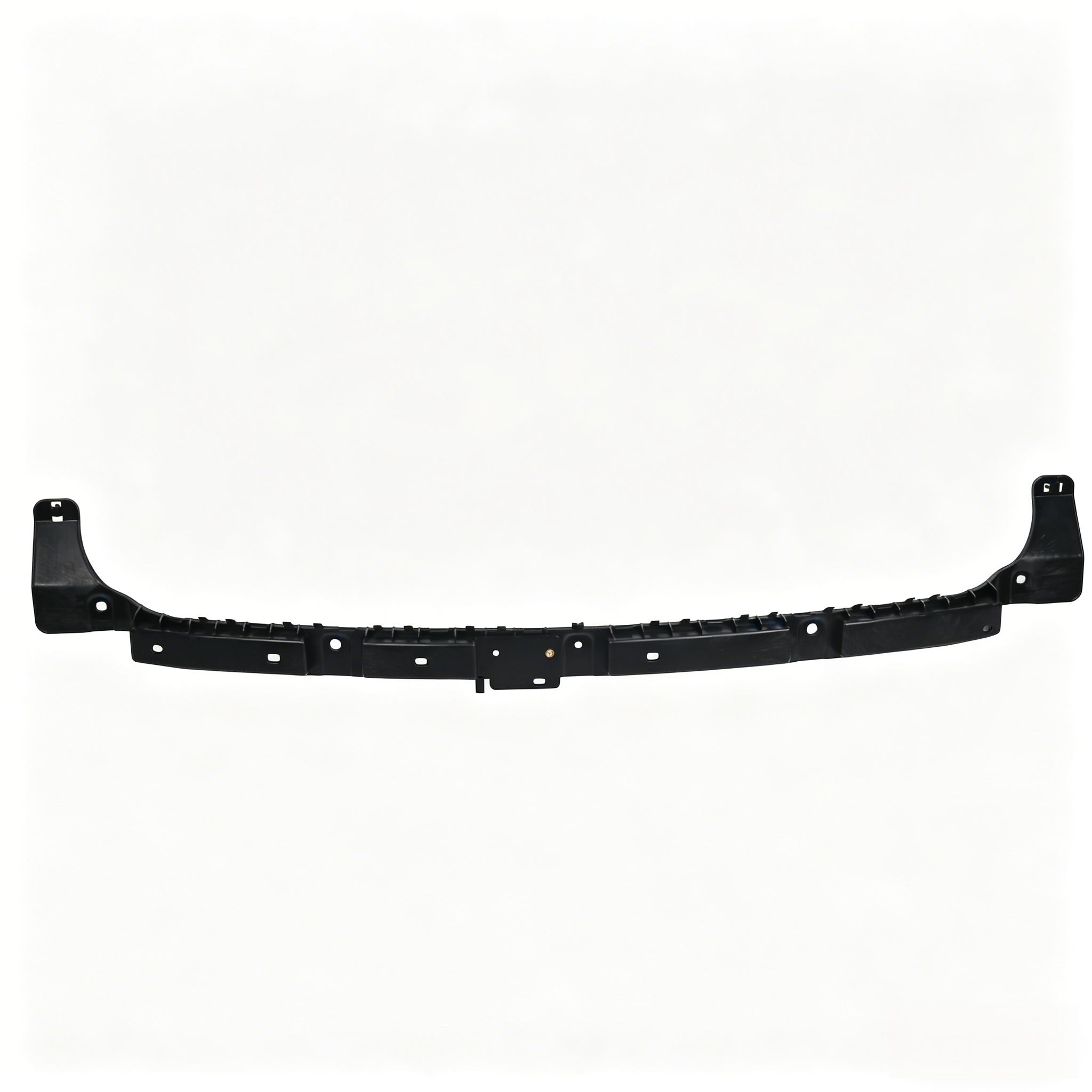
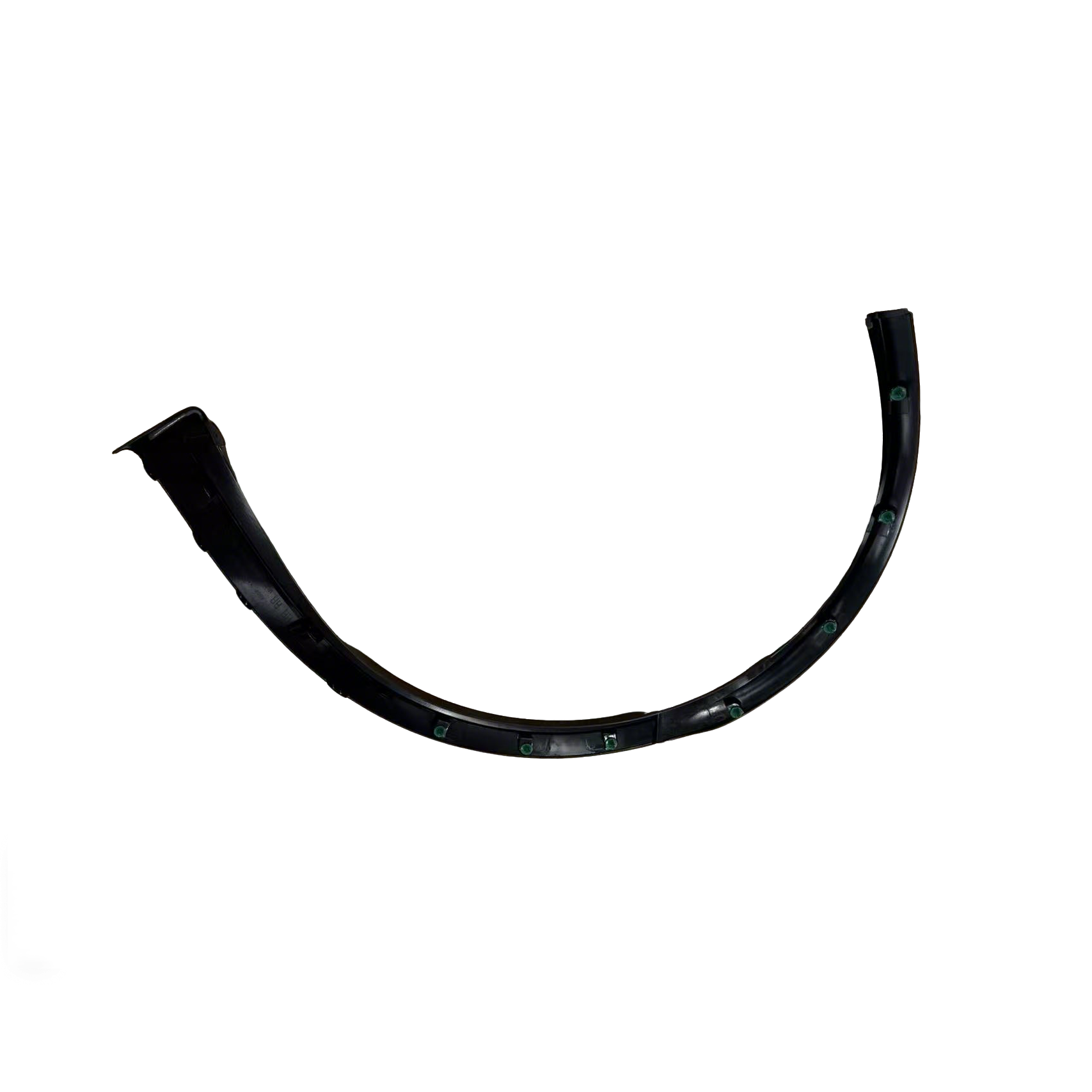
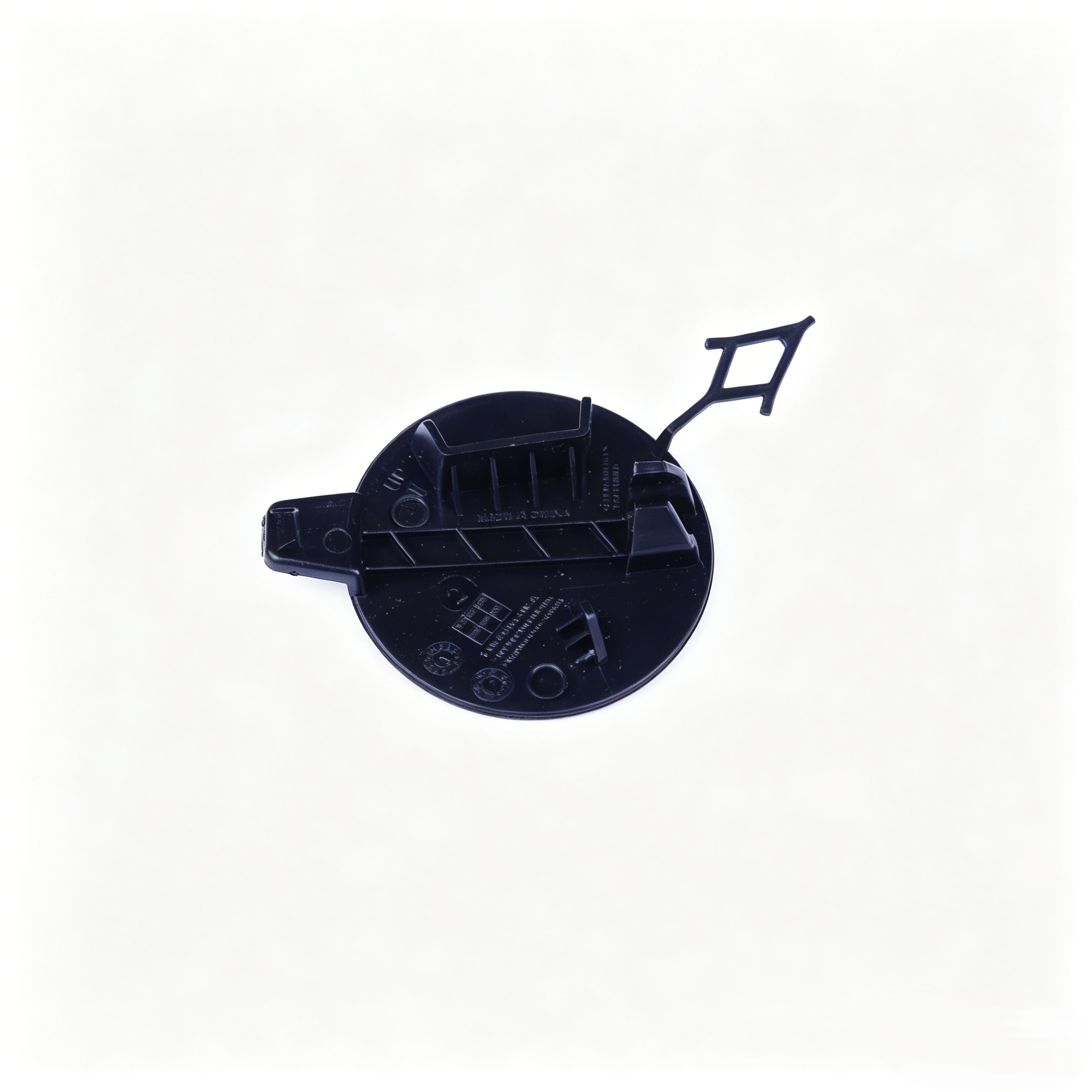
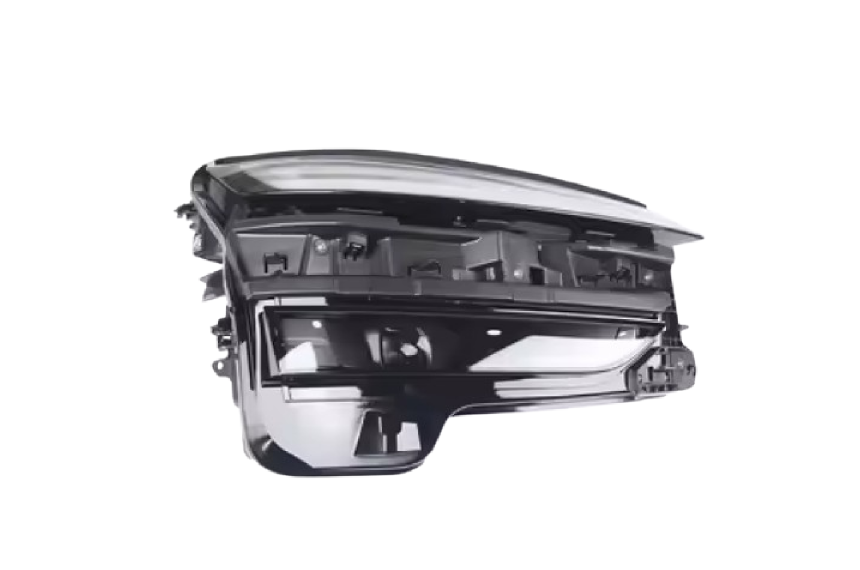
Hood Panel: Premium Automotive Body Components for Protection and Performance

Get a Free Quote

Our representative will contact you soon.
Email
Name
Company Name
Message
0/1000

hood panel

The hood panel represents a critical structural component in modern automotive design, serving as the primary protective covering for a vehicle's engine compartment. This essential exterior body part functions as both a defensive shield and an aesthetic element that contributes significantly to a vehicle's overall appearance and performance characteristics. Engineered from high-grade materials including steel, aluminum, or composite substances, the hood panel delivers exceptional protection against environmental elements, road debris, and potential impact damage while facilitating crucial engine cooling and maintenance accessibility. Contemporary hood panel manufacturing incorporates advanced engineering techniques such as precision stamping, hydroforming, and composite molding to achieve optimal strength-to-weight ratios. The design process considers aerodynamic efficiency, thermal management, pedestrian safety standards, and structural integrity requirements. Modern hood panel construction often features integrated reinforcement structures, sound-dampening materials, and specialized coating systems that enhance durability and corrosion resistance. The component typically includes mounting points for hinges, latches, and support mechanisms that ensure secure closure and convenient opening for routine maintenance procedures. Advanced hood panel designs incorporate deformation zones engineered to absorb impact energy during collisions, protecting both vehicle occupants and pedestrians. The surface finishing process involves multiple stages including rust-proofing treatments, primer application, base coat painting, and clear coat sealing to achieve long-lasting visual appeal and weather resistance. Installation specifications require precise alignment with surrounding body panels to maintain consistent gap tolerances and flush surface transitions. The hood panel marketplace serves diverse automotive segments including passenger vehicles, commercial trucks, performance cars, and specialty applications, with each category demanding specific material properties, dimensional tolerances, and finishing standards that meet stringent quality benchmarks and regulatory compliance requirements.


Popular Products

Choosing a quality hood panel brings numerous practical benefits that directly impact your vehicle's functionality, safety, and long-term value retention. First and foremost, a properly manufactured hood panel provides superior engine protection by creating a robust barrier against rain, snow, dirt, and harmful contaminants that could compromise sensitive mechanical components underneath. This protective function extends the operational lifespan of your engine and related systems, reducing maintenance costs and preventing premature component failure. The lightweight construction achieved through modern manufacturing techniques contributes to improved fuel efficiency by reducing overall vehicle weight without sacrificing structural strength or safety performance. Drivers experience better handling characteristics and reduced operational expenses thanks to this optimized weight distribution. Temperature management represents another significant advantage, as well-designed hood panel structures facilitate proper heat dissipation from the engine compartment while preventing excessive heat transfer to painted surfaces that could cause finish deterioration. The insulation properties built into premium hood panel products minimize engine noise transmission into the passenger cabin, creating a quieter and more comfortable driving environment for occupants. Safety considerations rank among the most compelling benefits, with engineered crumple zones and controlled deformation characteristics protecting passengers during frontal collisions while meeting pedestrian impact standards that reduce injury severity in accidents. The aesthetic contribution cannot be overlooked, as the hood panel comprises a substantial portion of visible exterior surfaces and directly influences first impressions and resale value. Quality finishing processes ensure color consistency, gloss retention, and resistance to fading, maintaining visual appeal throughout ownership. Maintenance accessibility improves dramatically with properly functioning hood panel mechanisms that allow quick and easy engine compartment access for routine inspections, fluid checks, and service procedures. The corrosion-resistant treatments applied during manufacturing protect against rust formation and structural degradation, particularly important in harsh climates with road salt exposure or coastal environments with salt air. Replacement hood panel options provide cost-effective solutions for accident repair, allowing vehicle owners to restore original appearance and functionality without expensive comprehensive bodywork. The standardized mounting systems ensure compatibility and simplify installation procedures, reducing labor costs and repair timeframes. Environmental considerations benefit from recyclable materials and manufacturing processes that minimize waste generation and energy consumption, aligning with sustainability objectives while delivering reliable performance throughout the product lifecycle.

Latest News

Consolidating Foundations, Forging New Paths, Gathering Momentum for Breakthroughs - Jiapei's Two Grand Events of 2026 Conclude Successfully

09

Apr

Consolidating Foundations, Forging New Paths, Gathering Momentum for Breakthroughs - Jiapei's Two Grand Events of 2026 Conclude Successfully

View More
Shanghai Jiapei Partners with Mahle to Launch a New Journey in China's Chassis Aftermarket

07

Apr

Shanghai Jiapei Partners with Mahle to Launch a New Journey in China's Chassis Aftermarket

View More
Jiapei's 2025 Yan'an Summit Concludes Successfully: Empowered by Red Gene, Embarking on a New Journey of

28

Apr

Jiapei's 2025 Yan'an Summit Concludes Successfully: Empowered by Red Gene, Embarking on a New Journey of "Nurturing Ambition, Securing Customer Trust, Forging the Future"

View More

Get a Free Quote

Our representative will contact you soon.
Email
Name
Company Name
Message
0/1000

hood panel

Advanced Material Engineering for Optimal Performance

Advanced Material Engineering for Optimal Performance

The sophisticated material selection and engineering processes employed in modern hood panel production deliver exceptional performance characteristics that surpass traditional manufacturing approaches. Contemporary hood panel construction utilizes carefully selected materials chosen for their specific mechanical properties, weight characteristics, and environmental resistance capabilities. High-strength steel alloys provide outstanding impact resistance and structural rigidity while maintaining cost-effectiveness for mainstream applications. These steel formulations undergo precise heat treatment processes that enhance hardness and durability without increasing brittleness or weight penalties. Aluminum hood panel variants offer significant weight reduction advantages, typically achieving thirty to forty percent mass savings compared to steel equivalents while maintaining comparable strength properties. The reduced weight contributes directly to improved fuel economy, enhanced acceleration performance, and reduced stress on suspension components throughout vehicle operation. Advanced composite materials represent the cutting edge of hood panel technology, incorporating carbon fiber, fiberglass, or hybrid constructions that deliver unmatched strength-to-weight ratios for performance-oriented applications. These composite hood panel products feature exceptional rigidity that minimizes vibration and flexing during high-speed operation while providing superior thermal insulation properties. The manufacturing process for composite hood panels involves precision layup techniques, resin infusion methods, and controlled curing cycles that ensure consistent quality and dimensional accuracy. Material selection directly influences thermal management capabilities, with specific formulations chosen to optimize heat dissipation rates and prevent heat soak conditions that could affect engine performance. The surface preparation and coating systems applied during production provide multi-layer protection against corrosion, ultraviolet radiation, and chemical exposure from road salts, fuel spills, and cleaning products. Galvanized steel substrates feature zinc coating layers that sacrifice themselves to protect underlying metal from oxidation, significantly extending service life in corrosive environments. Paint adhesion properties receive careful attention during material specification, ensuring chemical bonding between protective coatings and substrate surfaces that prevents delamination and finish failure. The engineering analysis supporting material selection includes finite element modeling, stress testing, and thermal simulation to predict real-world performance under diverse operating conditions including extreme temperatures, impact scenarios, and prolonged exposure to environmental stressors.
Precision Manufacturing and Quality Assurance Systems

Precision Manufacturing and Quality Assurance Systems

The production methodology employed in creating premium hood panel components incorporates state-of-the-art manufacturing technologies and rigorous quality control protocols that guarantee consistent performance and reliable fitment. Modern stamping processes utilize computer-controlled hydraulic presses capable of exerting thousands of tons of force to shape flat sheet metal into complex three-dimensional hood panel forms with exceptional dimensional accuracy. Progressive die systems enable multi-stage forming operations that create intricate reinforcement structures, mounting provisions, and surface contours in single production runs, minimizing material waste and maximizing efficiency. Hydroforming techniques apply pressurized fluid against sheet metal blanks contained within precision dies, producing smooth surface finishes and uniform wall thickness distributions that enhance structural integrity and visual quality. Robotic welding systems ensure consistent spot weld placement and penetration depth when joining reinforcement components to primary hood panel structures, creating reliable bonds that withstand operational stresses throughout vehicle service life. Quality assurance protocols begin with incoming material inspection using spectrographic analysis and mechanical testing to verify chemical composition and physical properties meet exact specifications. Dimensional verification occurs at multiple production stages using coordinate measuring machines and laser scanning systems that compare manufactured components against digital reference models with micron-level precision. Surface quality inspection employs automated vision systems and trained human inspectors who identify and reject panels exhibiting defects including dents, scratches, contamination, or finish irregularities. Destructive testing protocols randomly select production samples for crash testing, corrosion exposure, thermal cycling, and fatigue loading to validate design assumptions and manufacturing consistency. The finishing processes include multi-stage phosphate conversion coating that creates crystalline surface layers promoting paint adhesion and corrosion resistance. Electrocoat primer application uses electrical current to deposit uniform primer layers that penetrate recessed areas and complex geometries inaccessible to conventional spray methods. The robotic painting systems apply base coat and clear coat layers with programmed precision, controlling film thickness, application patterns, and curing conditions that produce showroom-quality finishes. Final inspection stations verify proper operation of latch mechanisms, hinge alignment, and hood panel fit relative to surrounding body components before approval for shipment to assembly facilities or aftermarket distribution channels.
Installation Simplicity and Long-Term Reliability Features

Installation Simplicity and Long-Term Reliability Features

The practical benefits of modern hood panel design extend beyond initial manufacturing quality to encompass straightforward installation procedures and dependable long-term performance that maximizes ownership satisfaction. Engineering teams design mounting systems with installer convenience in mind, incorporating standardized bolt patterns, alignment guides, and adjustment provisions that facilitate accurate positioning during replacement or repair operations. The hinge attachment points feature reinforced structures with precise hole locations that align with existing vehicle mounting provisions, eliminating modification requirements and reducing installation complexity. Adjustable mounting slots permit fine-tuning of hood panel position to achieve optimal gap spacing with adjacent fenders, grille assemblies, and windshield components, ensuring factory-fresh appearance after installation completion. Latch mechanisms incorporate self-adjusting features that compensate for normal wear and maintain secure closure throughout extended service intervals without requiring frequent readjustment. The primary and secondary latch systems provide redundant security preventing inadvertent hood panel opening during vehicle operation while remaining easily accessible for routine maintenance procedures. Weatherstripping channels molded into hood panel perimeters create effective seals that prevent water intrusion into engine compartments while dampening noise and vibration transmission. The integrated sound insulation materials bonded to inner hood panel surfaces absorb engine noise and reduce thermal radiation into painted exterior surfaces, maintaining finish quality and cabin quietness. Protective coating systems applied during manufacturing resist stone chip damage, chemical etching from bird droppings and tree sap, and ultraviolet fading that degrades lesser-quality finishes over time. The corrosion protection extends to concealed inner surfaces and reinforcement structures through comprehensive application of rust-preventive treatments during production processes. Long-term reliability testing validates hood panel performance under extreme conditions including temperature cycling between arctic cold and desert heat, humidity exposure simulating tropical climates, and salt spray testing replicating coastal or winter road environments. The structural integrity maintains consistent performance throughout typical vehicle ownership periods without sagging, warping, or alignment drift that affects appearance and functionality. Replacement availability through established distribution networks ensures convenient sourcing for collision repair or restoration projects, with comprehensive fitment databases guiding proper part selection for specific vehicle makes, models, and production years. The standardized packaging protects hood panel surfaces during shipping and storage, incorporating edge guards, surface films, and rigid supports that prevent damage before installation occurs, delivering components in pristine condition ready for immediate use.

Get a Free Quote

Our representative will contact you soon.
Email
Name
Company Name
Message
0/1000