car body panel
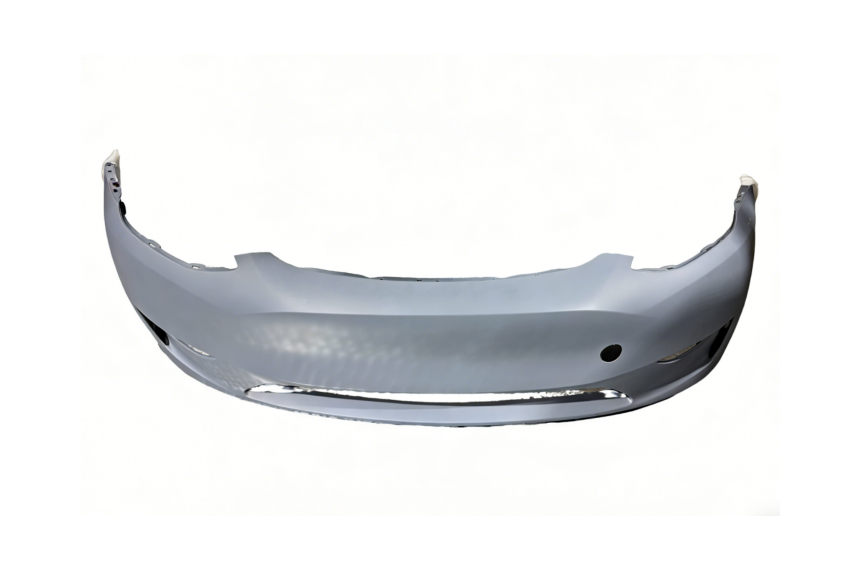
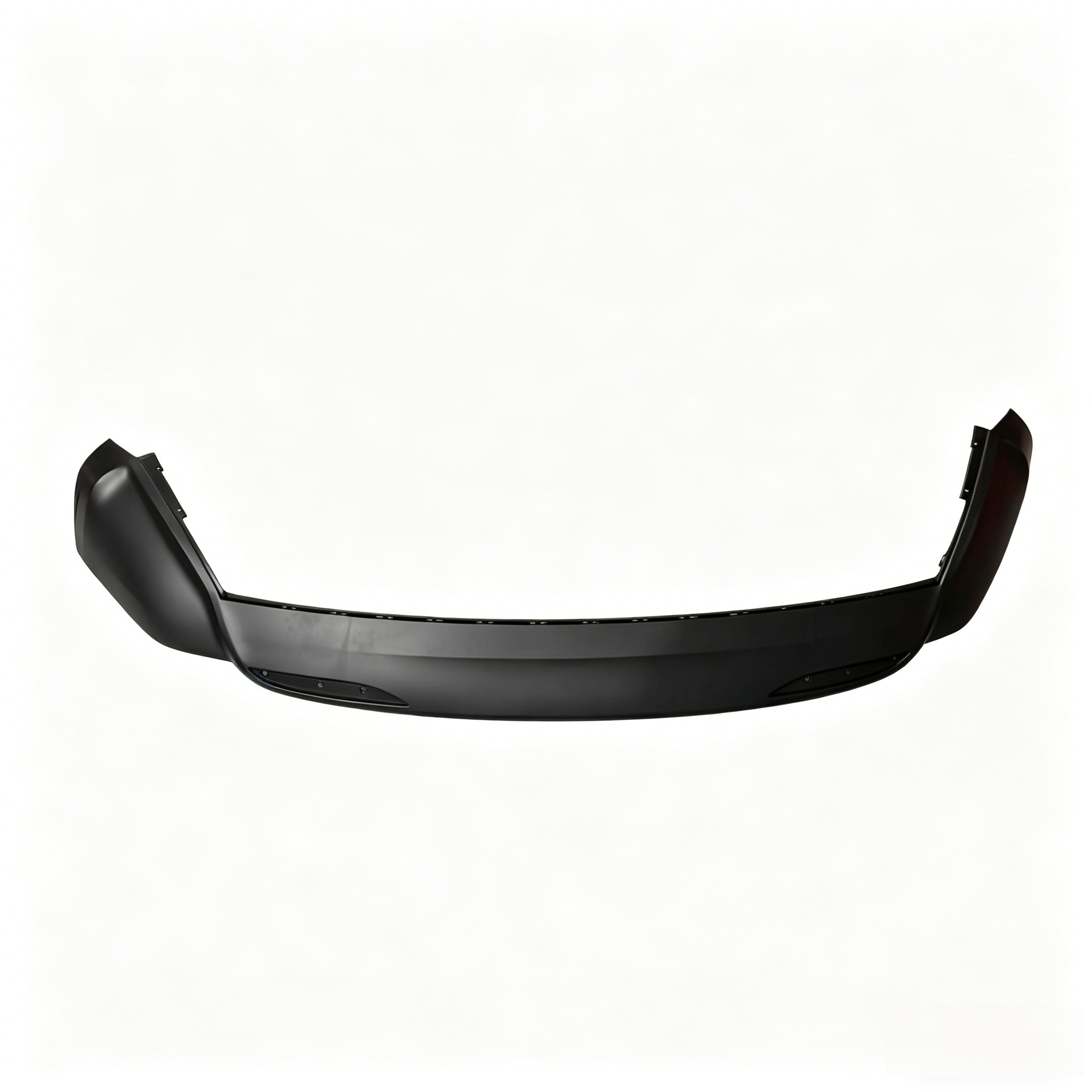
A car body panel represents one of the most critical structural and aesthetic components in modern automotive design and manufacturing. These panels form the outer shell of vehicles, providing essential protection while defining the visual identity that distinguishes one automobile from another. Car body panels encompass various sections including doors, fenders, hoods, roofs, trunk lids, and quarter panels, each engineered to meet specific functional and design requirements. The primary function of a car body panel extends beyond mere appearance, serving as the first line of defense against environmental elements, road debris, and minor collisions. These panels protect passengers and internal mechanical systems from weather conditions, dust, moisture, and physical impacts that occur during daily operation. Advanced car body panel technology incorporates aerodynamic principles that reduce wind resistance, improving fuel efficiency and overall vehicle performance. Modern manufacturing techniques allow for precise shaping and forming of car body panels using materials such as steel, aluminum, composite plastics, and carbon fiber, each selected based on strength requirements, weight considerations, and cost factors. The application of car body panels spans across all vehicle categories, from compact cars to luxury sedans, sports vehicles to commercial trucks. Automotive manufacturers invest significant resources in developing car body panel designs that balance durability, weight reduction, safety standards, and aesthetic appeal. The integration of advanced materials and production methods has revolutionized how car body panels contribute to vehicle safety ratings, with crumple zones and energy-absorbing structures built directly into panel designs. Paint and coating technologies applied to car body panels provide corrosion resistance and color retention, ensuring long-term appearance and structural integrity throughout the vehicle's lifespan.





 EN
EN