Front Bumper Systems: Advanced Protection, Technology Integration & Aerodynamic Design for Modern Vehicles

Get a Free Quote

Our representative will contact you soon.
Email
Name
Company Name
Message
0/1000

front bumper

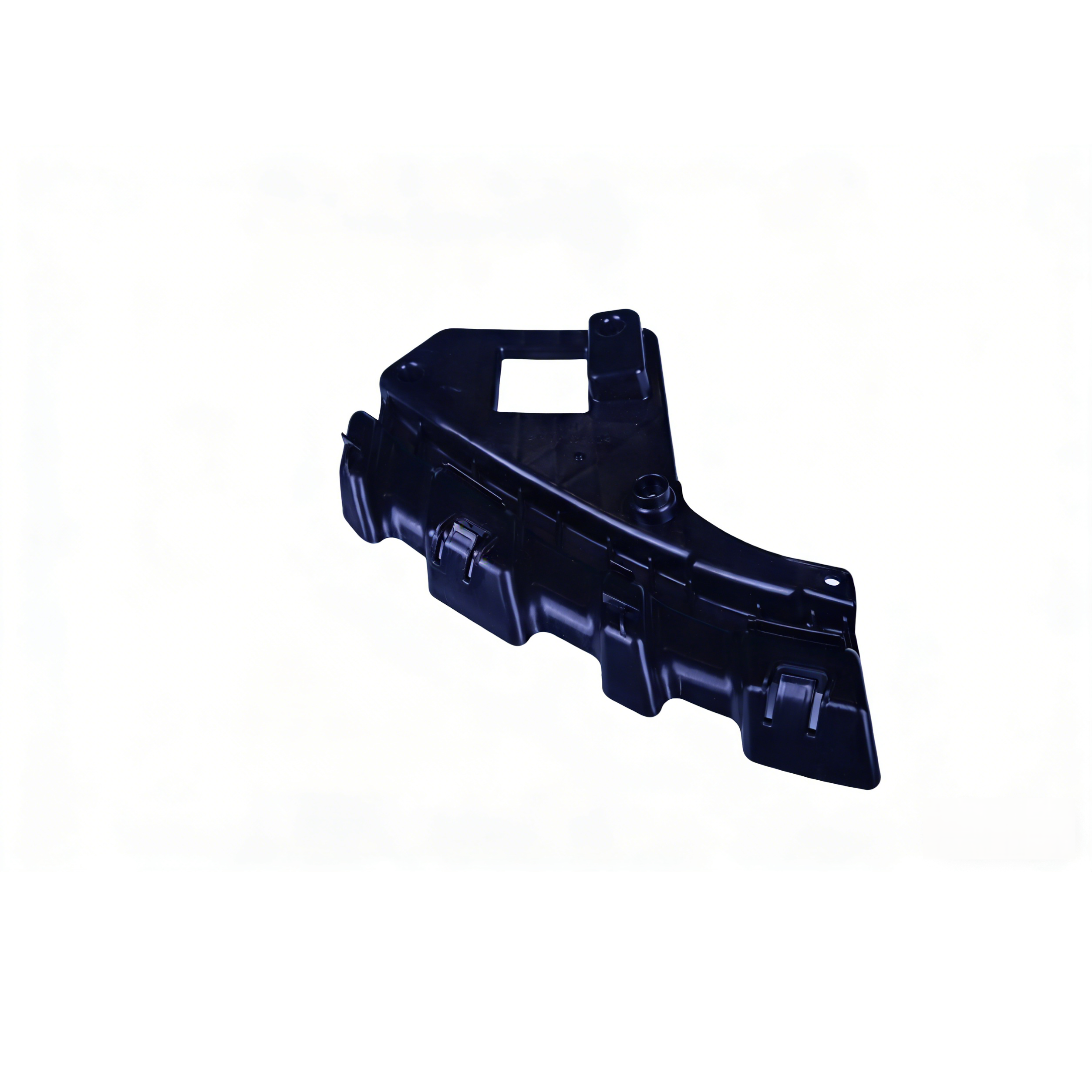
The front bumper serves as one of the most critical safety components on any vehicle, designed to absorb impact energy during collisions while protecting both passengers and vital mechanical systems. Modern front bumpers have evolved significantly from simple metal bars to sophisticated structures incorporating advanced materials and engineering principles. Today's front bumper assemblies typically consist of multiple layers, including a reinforcement beam made from high-strength steel or aluminum, an energy-absorbing foam layer that compresses during impact, and an outer fascia crafted from durable thermoplastic materials. These components work together to distribute collision forces across the vehicle's frame structure, minimizing damage to expensive parts like the radiator, engine, and cooling systems. Beyond protection, the front bumper plays an essential role in vehicle aerodynamics, helping to reduce wind resistance and improve fuel efficiency through carefully designed contours and air channels. Many contemporary designs integrate active safety technologies, including parking sensors, radar systems for adaptive cruise control, and camera modules for advanced driver assistance features. The mounting points and crush zones are precisely engineered to meet stringent safety standards while maintaining structural integrity. Manufacturers design front bumpers to withstand low-speed impacts without permanent deformation, typically up to 5 mph, which helps reduce repair costs from minor parking lot incidents. The outer fascia can be painted to match vehicle color or left in textured black, depending on style preferences. Installation typically involves secured attachment points to the vehicle frame using bolts and brackets, allowing for replacement when damaged. The front bumper also houses fog lights, air intakes for engine cooling, and decorative elements that contribute to the vehicle's overall aesthetic appeal. This component represents a perfect balance between safety engineering, functional design, and visual styling, making it indispensable for modern automotive construction.


Popular Products

Choosing a quality front bumper provides numerous practical benefits that directly impact your daily driving experience and long-term vehicle ownership costs. First and foremost, a well-designed front bumper significantly enhances occupant safety by acting as the first line of defense during frontal collisions. When impact occurs, the energy-absorbing materials compress and deform in a controlled manner, reducing the force transmitted to the passenger compartment. This protective function can mean the difference between minor injuries and serious harm during accidents. Vehicle owners also appreciate the cost-saving advantages that come with a properly functioning front bumper. By protecting expensive components like headlights, radiators, and engine parts from damage during minor collisions, you avoid costly repairs that could otherwise run into thousands of dollars. Insurance premiums may also benefit from reduced claim frequency when your vehicle maintains its protective features in optimal condition. The aerodynamic properties of modern front bumper designs deliver measurable fuel economy improvements. Streamlined contours and integrated air dams reduce drag coefficient, allowing your vehicle to slice through air more efficiently. Over the lifetime of vehicle ownership, these small efficiency gains translate into meaningful savings at the fuel pump. Installation of a replacement front bumper proves straightforward for professional technicians, with most jobs completed within a few hours. This accessibility means minimal downtime when repairs become necessary. Durability represents another key advantage, as contemporary materials resist common environmental challenges including UV radiation, temperature extremes, road salt, and chemical exposure. Quality front bumpers maintain their structural integrity and appearance for years without cracking, fading, or warping. The integration of modern safety technologies into front bumper assemblies adds convenience and protection to your driving routine. Parking sensors eliminate guesswork when maneuvering in tight spaces, while radar modules enable features like automatic emergency braking and collision warnings. These technologies work seamlessly because the front bumper provides ideal mounting locations with unobstructed views of the road ahead. Aesthetic versatility allows vehicle owners to customize their appearance through different front bumper styles, from aggressive sport designs to elegant luxury profiles. Replacement options exist across various price points, making it possible to restore your vehicle's appearance and function regardless of budget constraints. The front bumper also contributes to pedestrian safety through energy-absorbing designs that reduce injury severity in unfortunate accidents. Regulatory compliance ensures that properly specified front bumpers meet all applicable safety standards, providing peace of mind that your vehicle maintains its intended protective capabilities.

Tips And Tricks

Consolidating Foundations, Forging New Paths, Gathering Momentum for Breakthroughs - Jiapei's Two Grand Events of 2026 Conclude Successfully

09

Apr

Consolidating Foundations, Forging New Paths, Gathering Momentum for Breakthroughs - Jiapei's Two Grand Events of 2026 Conclude Successfully

View More
Shanghai Jiapei Partners with Mahle to Launch a New Journey in China's Chassis Aftermarket

07

Apr

Shanghai Jiapei Partners with Mahle to Launch a New Journey in China's Chassis Aftermarket

View More
Jiapei's 2025 Yan'an Summit Concludes Successfully: Empowered by Red Gene, Embarking on a New Journey of

28

Apr

Jiapei's 2025 Yan'an Summit Concludes Successfully: Empowered by Red Gene, Embarking on a New Journey of "Nurturing Ambition, Securing Customer Trust, Forging the Future"

View More

Get a Free Quote

Our representative will contact you soon.
Email
Name
Company Name
Message
0/1000

front bumper

Advanced Impact Energy Management System

Advanced Impact Energy Management System

The sophisticated impact energy management system built into modern front bumper assemblies represents a remarkable achievement in automotive safety engineering. This multi-layered approach to collision protection begins with a high-strength reinforcement beam, typically constructed from advanced high-strength steel or lightweight aluminum alloys. Engineers position this beam strategically behind the visible fascia to serve as the primary load-bearing structure during impacts. The beam's design incorporates specific crumple zones and reinforced sections that direct collision forces away from the passenger cabin and toward the vehicle's frame rails, which are engineered to absorb and dissipate energy. Between the reinforcement beam and outer fascia sits a carefully engineered energy-absorbing foam layer, often made from expanded polypropylene or polyurethane materials. This foam compresses progressively during impact, converting kinetic energy into heat through material deformation. The compression characteristics are precisely tuned to match different impact speeds and scenarios, providing optimal protection across a range of collision severities. Lower-speed impacts, such as parking mishaps under 5 mph, are absorbed primarily by this foam layer without permanent damage to the reinforcement beam, significantly reducing repair costs. The outer fascia completes the system using flexible thermoplastic materials that can withstand minor impacts and return to their original shape. This resilience prevents cosmetic damage from shopping carts, minor bumps, and road debris that vehicles encounter regularly. The entire assembly mounts to the vehicle frame through engineered brackets and bolts designed to shear or deform in severe collisions, allowing the front bumper to separate from the vehicle in a controlled manner. This separation prevents the bumper from being forced into the passenger compartment while maintaining its energy-absorbing function. Testing protocols subject front bumper designs to numerous impact scenarios, including full-frontal, offset frontal, and angled collisions at various speeds. Computer simulations and physical crash tests validate performance before production, ensuring consistent protection in real-world accidents. The investment in this advanced protection system pays dividends throughout vehicle ownership, potentially preventing serious injuries while minimizing repair costs from everyday incidents that inevitably occur over years of driving.
Integrated Smart Technology Platform

Integrated Smart Technology Platform

Contemporary front bumper designs have evolved into sophisticated technology platforms that house multiple advanced driver assistance systems and convenience features. This transformation reflects the automotive industry's rapid embrace of active safety technologies and autonomous driving capabilities. Parking sensors represent one of the most widely appreciated technologies integrated into front bumper assemblies. These ultrasonic or electromagnetic sensors emit signals that detect obstacles in the vehicle's path, providing audible warnings and visual displays that help drivers navigate tight parking situations with confidence. The front bumper location offers ideal positioning for these sensors, providing unobstructed detection coverage across the entire frontal area. Installation within the bumper fascia protects sensors from damage while maintaining aesthetic appeal through subtle integration. Radar modules for adaptive cruise control and collision avoidance systems mount behind specialized sections of the front bumper designed to be transparent to radio frequencies. These radar units continuously monitor traffic ahead, measuring the distance and relative speed of vehicles in your path. The data feeds into sophisticated algorithms that can automatically adjust vehicle speed to maintain safe following distances or apply emergency braking when collision risk is detected. The front bumper mounting position provides the forward-facing perspective necessary for these systems to function effectively while keeping expensive electronics protected from road debris and weather exposure. Camera systems for forward collision warning, lane departure prevention, and surround-view parking assistance also find homes in front bumper assemblies. Strategic placement provides optimal viewing angles while specialized housing protects delicate optics from environmental contamination. Heating elements often accompany camera installations, preventing ice and condensation from obscuring the lens in cold weather conditions. Fog lights and auxiliary lighting systems integrate into lower sections of the front bumper, providing enhanced visibility during adverse weather conditions. The low mounting position helps illuminate the road surface immediately ahead, cutting through fog and precipitation more effectively than higher-mounted headlights. Air intake openings within the front bumper direct cooling air to radiators, intercoolers, and brake ducts, maintaining optimal operating temperatures for critical powertrain and braking systems. Engineers carefully design these openings to balance cooling requirements with aerodynamic efficiency. The front bumper's role as a technology platform continues expanding as autonomous driving features advance. Future iterations will likely incorporate additional sensors, including lidar units and enhanced camera arrays, making this component even more critical to vehicle functionality beyond its traditional protective role.
Aerodynamic Efficiency and Environmental Benefits

Aerodynamic Efficiency and Environmental Benefits

The aerodynamic design of the front bumper significantly influences vehicle performance, fuel economy, and environmental impact through carefully engineered shapes and features that manage airflow around the vehicle. Modern computational fluid dynamics software allows engineers to optimize every curve and contour of the front bumper to minimize drag coefficient, which measures how easily a vehicle moves through air. Reduced drag directly translates to improved fuel efficiency, as the engine expends less energy overcoming wind resistance at highway speeds. Even modest improvements in aerodynamic efficiency can yield measurable fuel savings over the vehicle's lifetime, reducing both operating costs and carbon emissions. The front bumper typically incorporates an air dam or lower spoiler section that extends toward the road surface. This feature serves multiple aerodynamic functions, including reducing the amount of turbulent air flowing underneath the vehicle, where it creates drag and lift. By directing air around rather than under the vehicle, the air dam helps maintain stability at higher speeds while improving fuel economy. Active grille shutters, integrated into some front bumper designs, automatically open and close based on cooling requirements and vehicle speed. When cooling demands are low, the shutters close to smooth airflow over the front bumper, reducing drag. During heavy acceleration or stop-and-go traffic, the shutters open to maximize cooling airflow to the radiator and engine components. This dynamic management optimizes the balance between aerodynamics and thermal management. Side air curtains represent another aerodynamic innovation incorporated into advanced front bumper designs. These carefully shaped channels direct air from the front bumper along the sides of the vehicle, reducing turbulence around the front wheels and wheel wells. Since rotating wheels create significant aerodynamic drag, managing airflow in this area yields substantial efficiency benefits. The smooth, integrated design of modern front bumpers eliminates unnecessary protrusions and gaps that would disrupt airflow and create noise. Wind tunnel testing validates designs, ensuring that air moves smoothly from the front bumper over the hood and across the entire vehicle body. This attention to aerodynamic detail contributes to a quieter cabin environment by reducing wind noise at highway speeds. Environmental benefits extend beyond fuel savings through material selection and manufacturing processes. Many front bumpers now incorporate recycled plastics and are designed for easier recycling at end-of-life. Lighter-weight materials reduce overall vehicle mass, further improving efficiency without compromising safety performance. The cumulative effect of these aerodynamic optimizations in front bumper design represents a meaningful contribution to reducing transportation's environmental footprint while delivering practical benefits to vehicle owners through lower fuel costs and enhanced driving refinement.

Get a Free Quote

Our representative will contact you soon.
Email
Name
Company Name
Message
0/1000