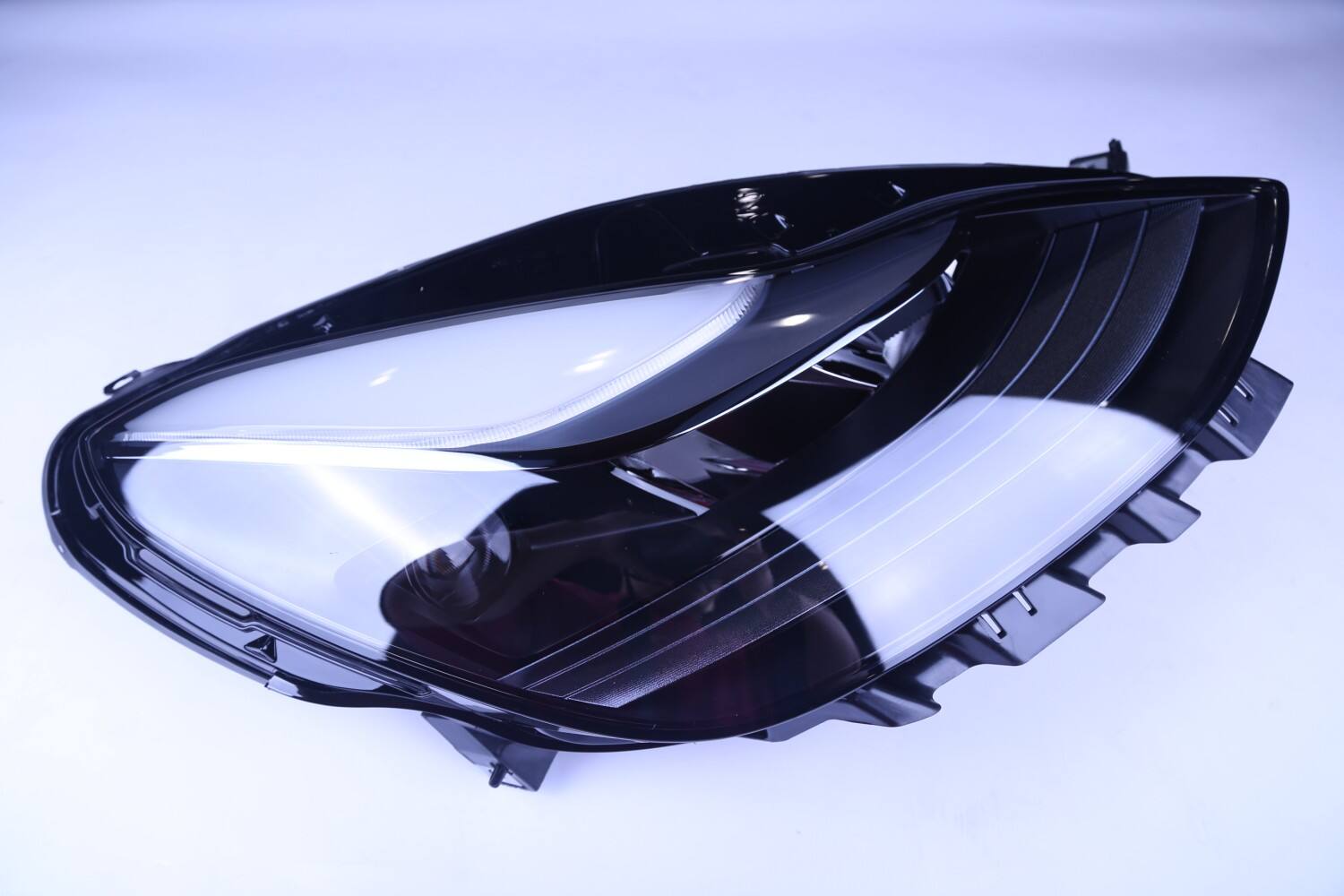
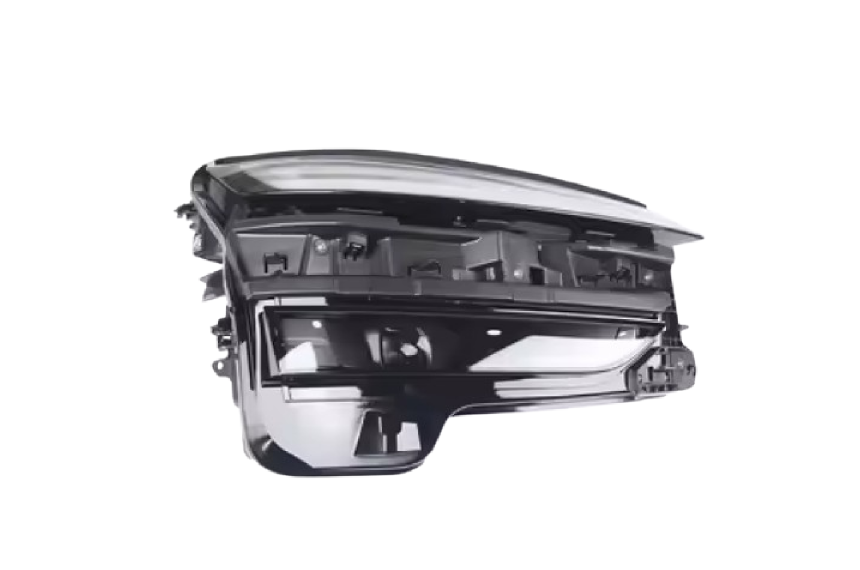
المصابيح الأمامية المغلقة
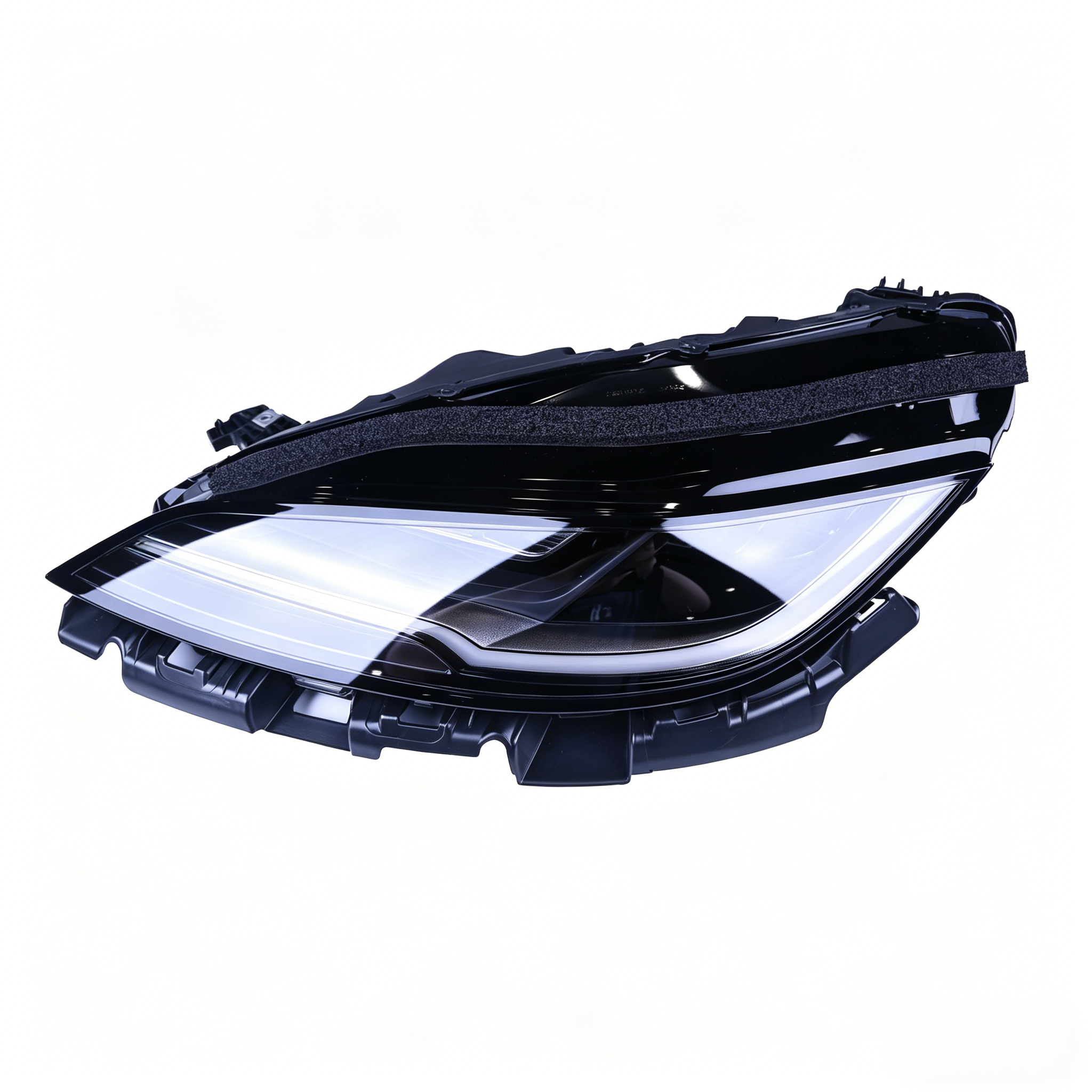
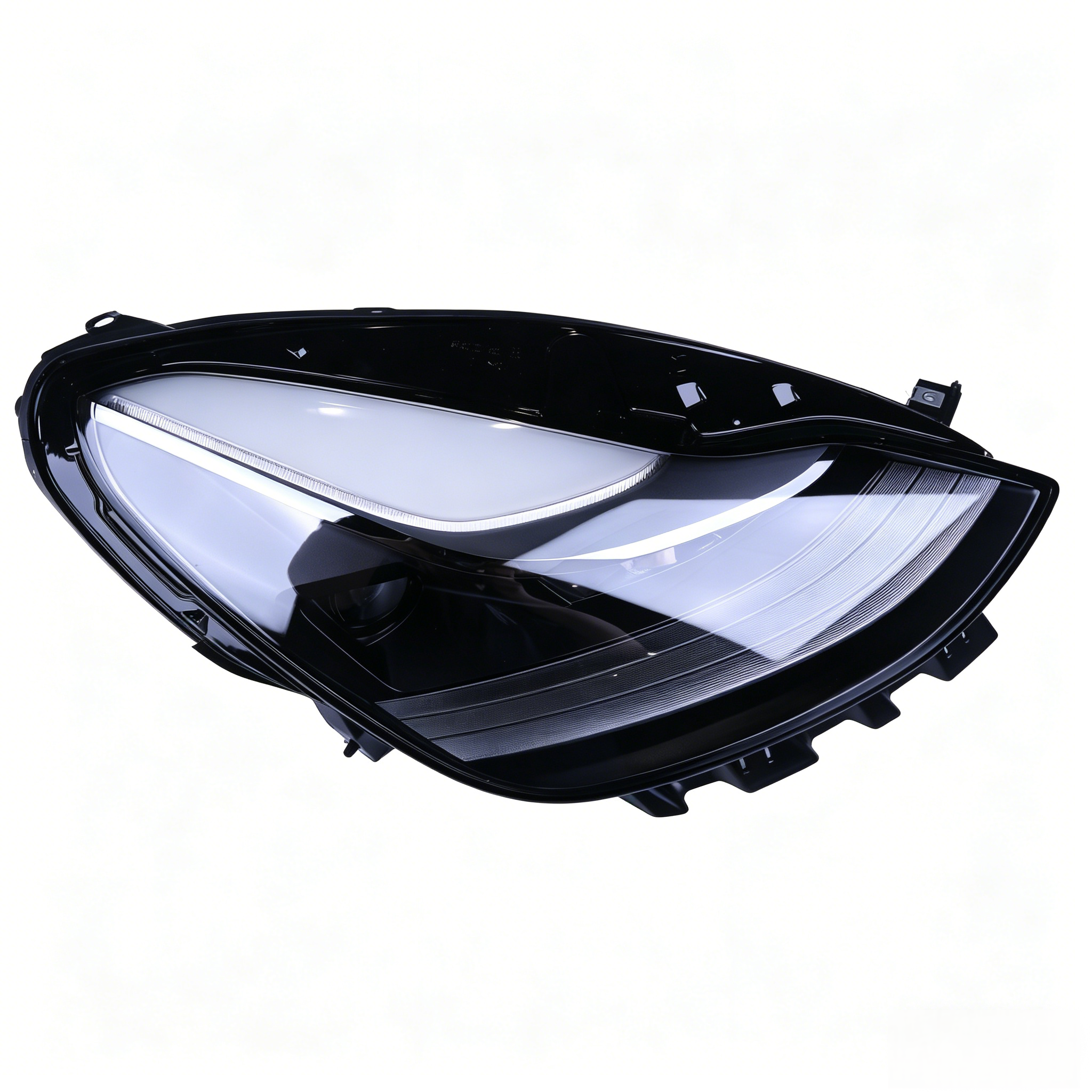
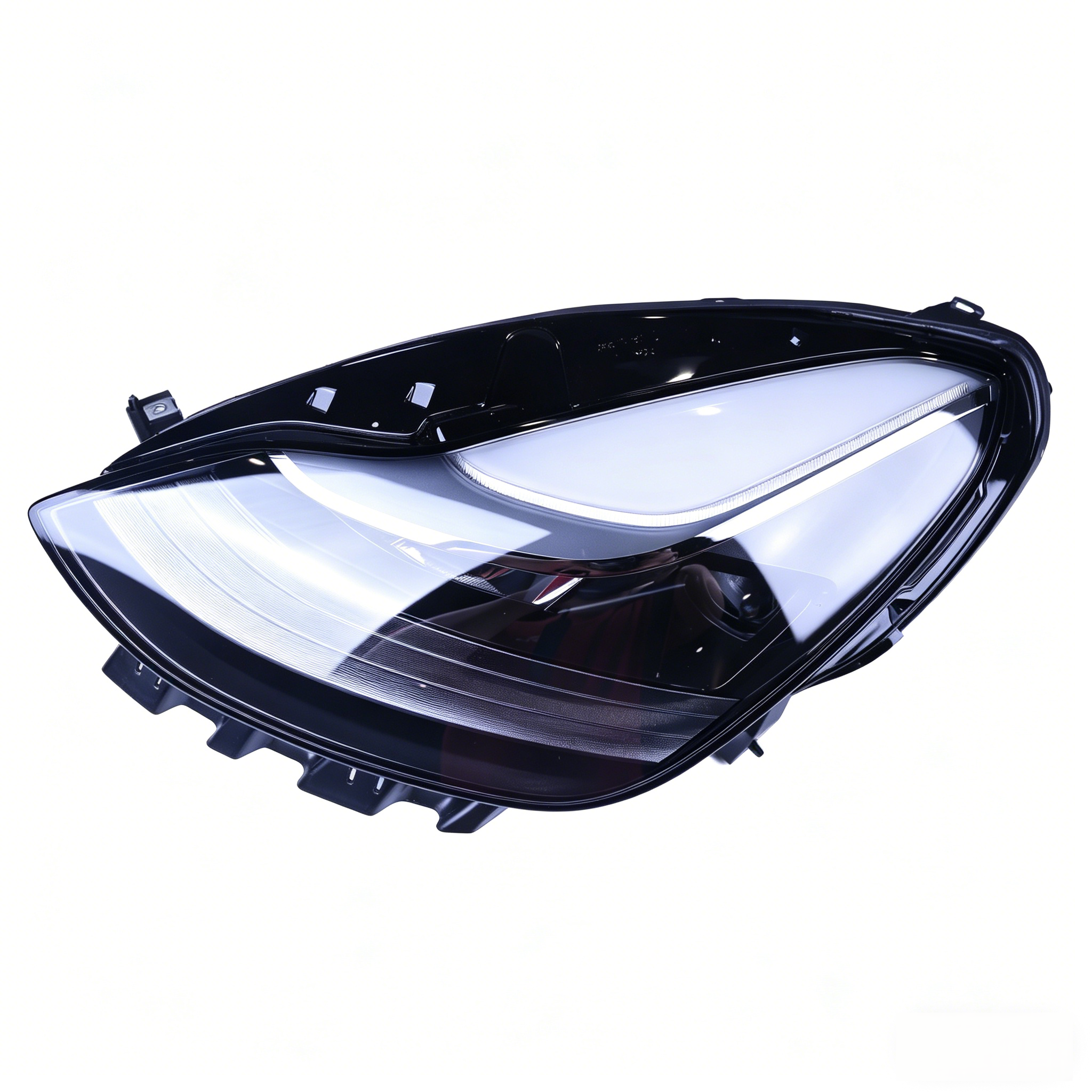
تمثل مصابيح الشعاع المختوم تقنية إضاءة كلاسيكية في مجال السيارات، وقد خدمت المركبات بموثوقيةٍ عاليةٍ لعقودٍ عديدة. وتتميّز هذه المصابيح بتصميمٍ متكاملٍ بالكامل، حيث تُصنع العدسة والعاكس والخيط المتوهّج كوحدة واحدة مختومة بشكلٍ محكمٍ. وعلى عكس المصابيح المركبة الحديثة التي يمكن استبدال لمباتها بسهولة، فإن مصابيح الشعاع المختوم تتطلب استبدال الوحدة الكاملة عند احتراق الخيط المتوهّج. وظهر هذا الأسلوب المميز في التصنيع في أربعينيات القرن العشرين، وأصبح المعيار القياسي للمركبات الأمريكية حتى ثمانينيات القرن العشرين. وتستخدم مصابيح الشعاع المختوم سطح عاكسٍ مصمم بدقةٍ عاليةٍ لتوجيه شعاع الضوء وفق أنماط محددةٍ تضمن إضاءة الطريق أمام المركبة مع تقليل الوهج المُسبب للإزعاج للسائقين القادمين من الاتجاه المقابل. كما يمنع الإغلاق المحكم دخول الرطوبة والغبار والملوثات إلى هيكل المصباح، مما يضمن أداءً ثابتًا طوال عمر المنتج. وتعمل هذه المصابيح عادةً على أنظمة كهربائية بجهد 12 فولت أو 24 فولت، ما يجعلها متوافقةً مع معظم المركبات القياسية والشاحنات والمعدات الصناعية. وتستعين هذه التقنية بخيوط تنجستن تُنتج ضوءًا أبيض ساطعًا عند مرور التيار الكهربائي عبرها. وتُصنَّع مصابيح الشعاع المختوم بأحجام قياسية، وأكثرها شيوعًا هو النوع الدائري بقطر 7 بوصات والنوع المستطيل، رغم وجود إصدارات بقطر 5.75 بوصة أيضًا لتطبيقات محددة. ومن أبرز وظائفها توفير الإضاءة الأمامية أثناء القيادة الليلية، وتحسين مدى الرؤية في ظروف الطقس السيئة، وضمان بقاء المركبة مرئيةً للمستخدمين الآخرين للطرق. وتؤدي هذه المصابيح دورًا حيويًّا في مجال السلامة في التطبيقات المرورية والزراعية والبناء والبحرية. أما الميزات التقنية فهي تشمل عدسات زجاجية مُشكَّلة بدقة، وهيكل مختوم تحت الفراغ، وتصاميم ذات خيطين توهجيين لتشغيل الشعاع العالي والشعاع المنخفض، وأنظمة تثبيت قياسية تُسهِّل التركيب. وتمتد تطبيقاتها لتشمل غير المركبات الخاصة فقط، بل أيضًا الماكينات الثقيلة والمركبات الخارجة عن الطرق والمركبات الكلاسيكية الخاضعة لإعادة التأهيل والمركبات الطارئة والمعدات الصناعية، حيث تُعتبر المتانة والموثوقية اعتباراتٍ جوهريةً لسلامة التشغيل.
 ×
×





 EN
EN