auto body panels
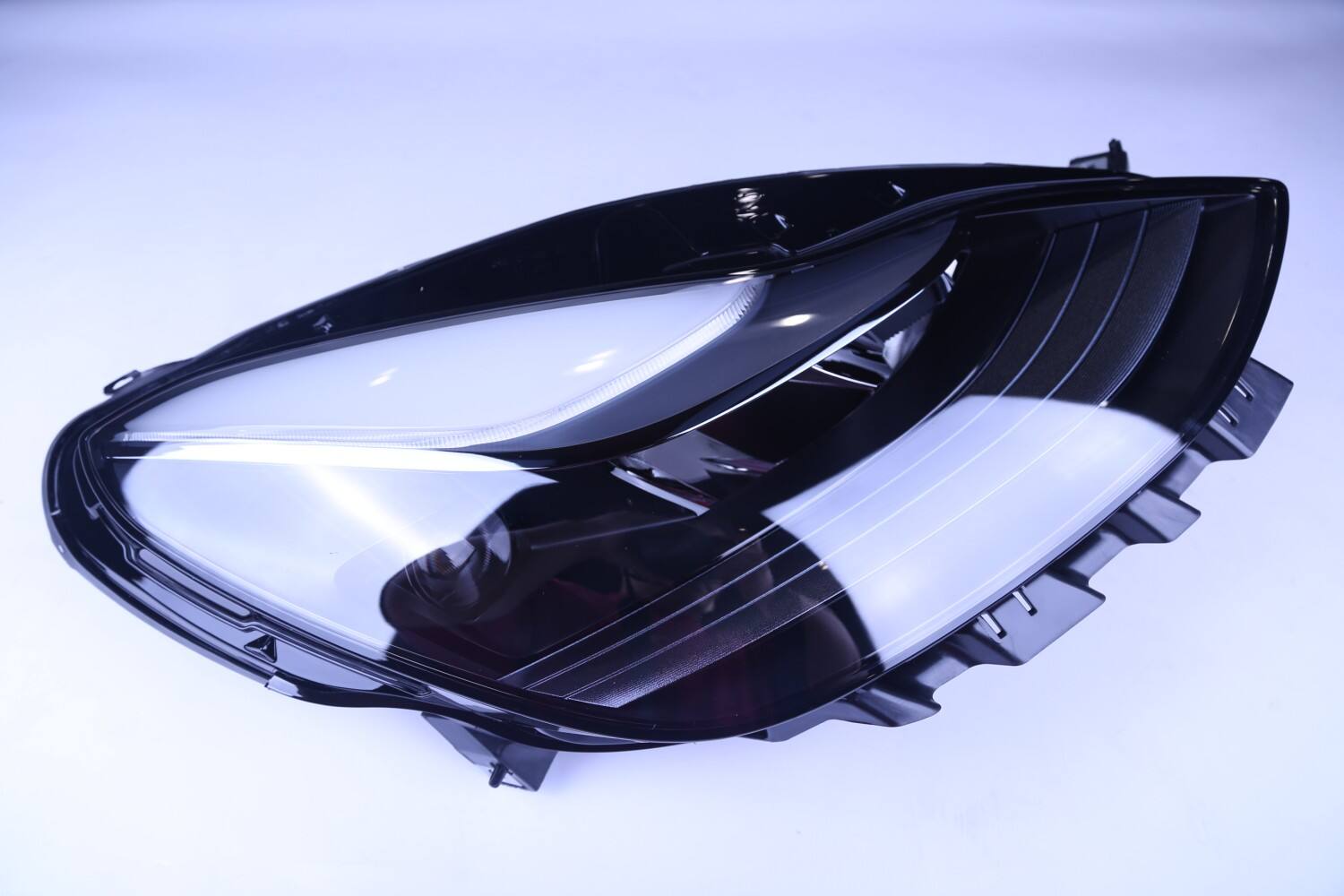
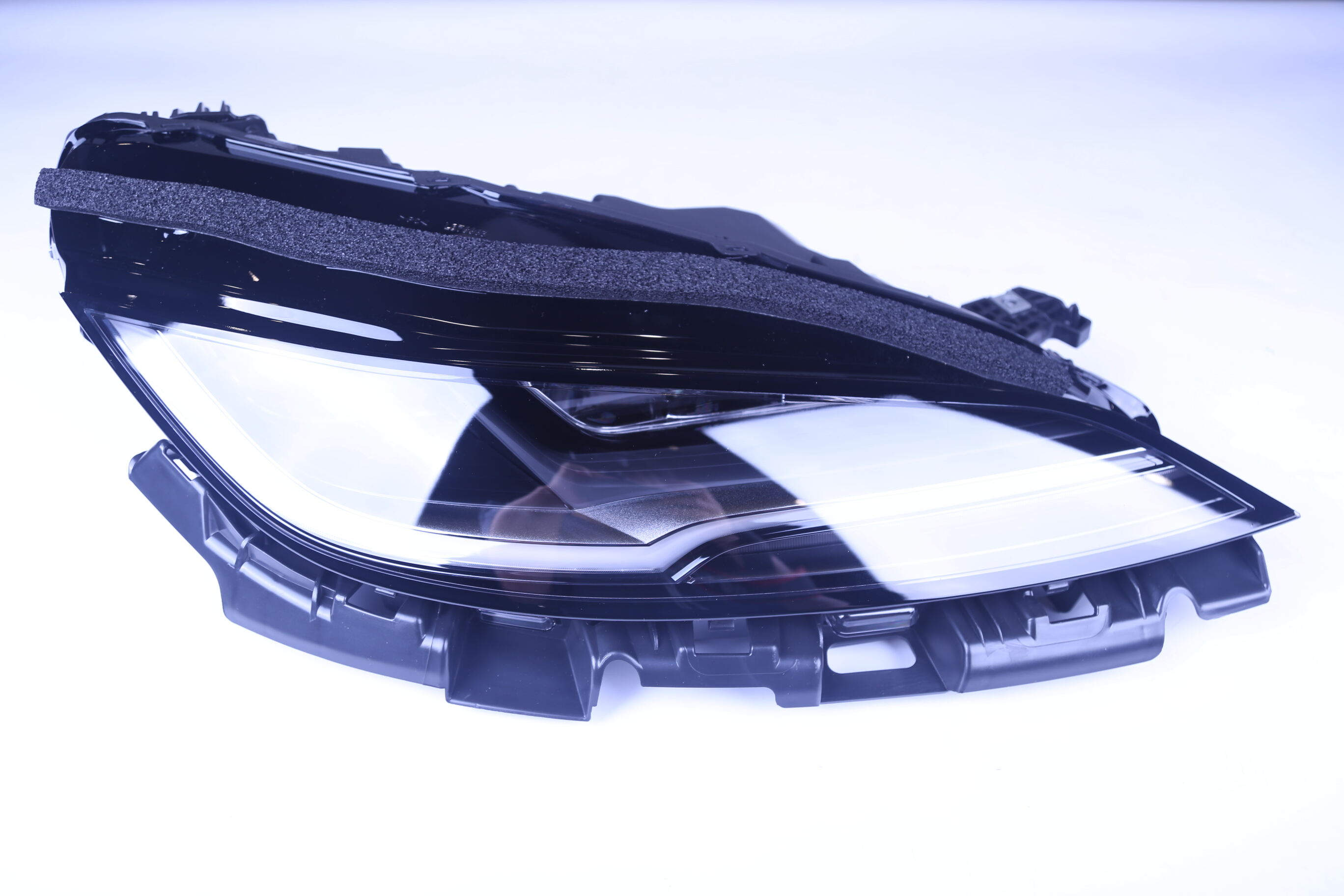
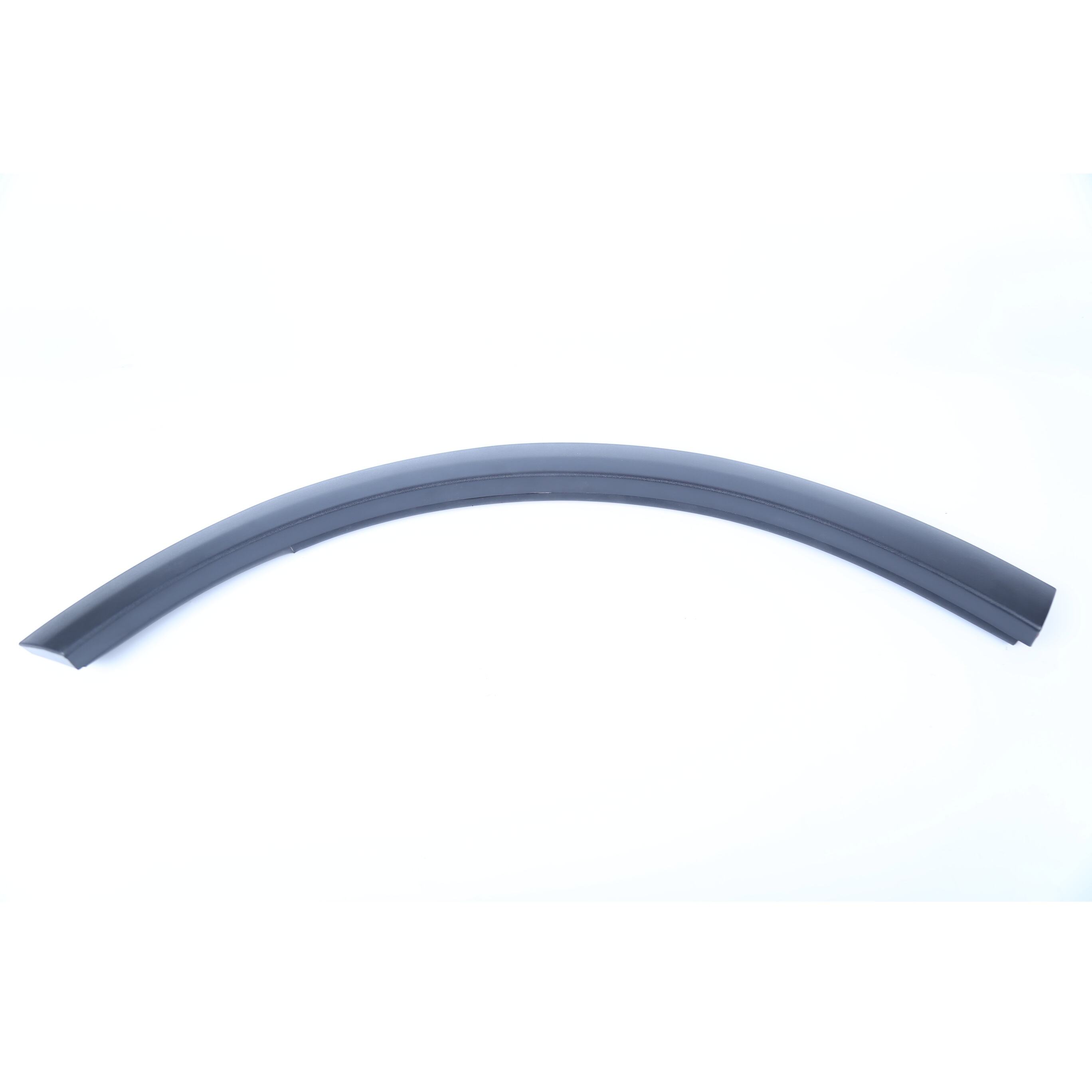
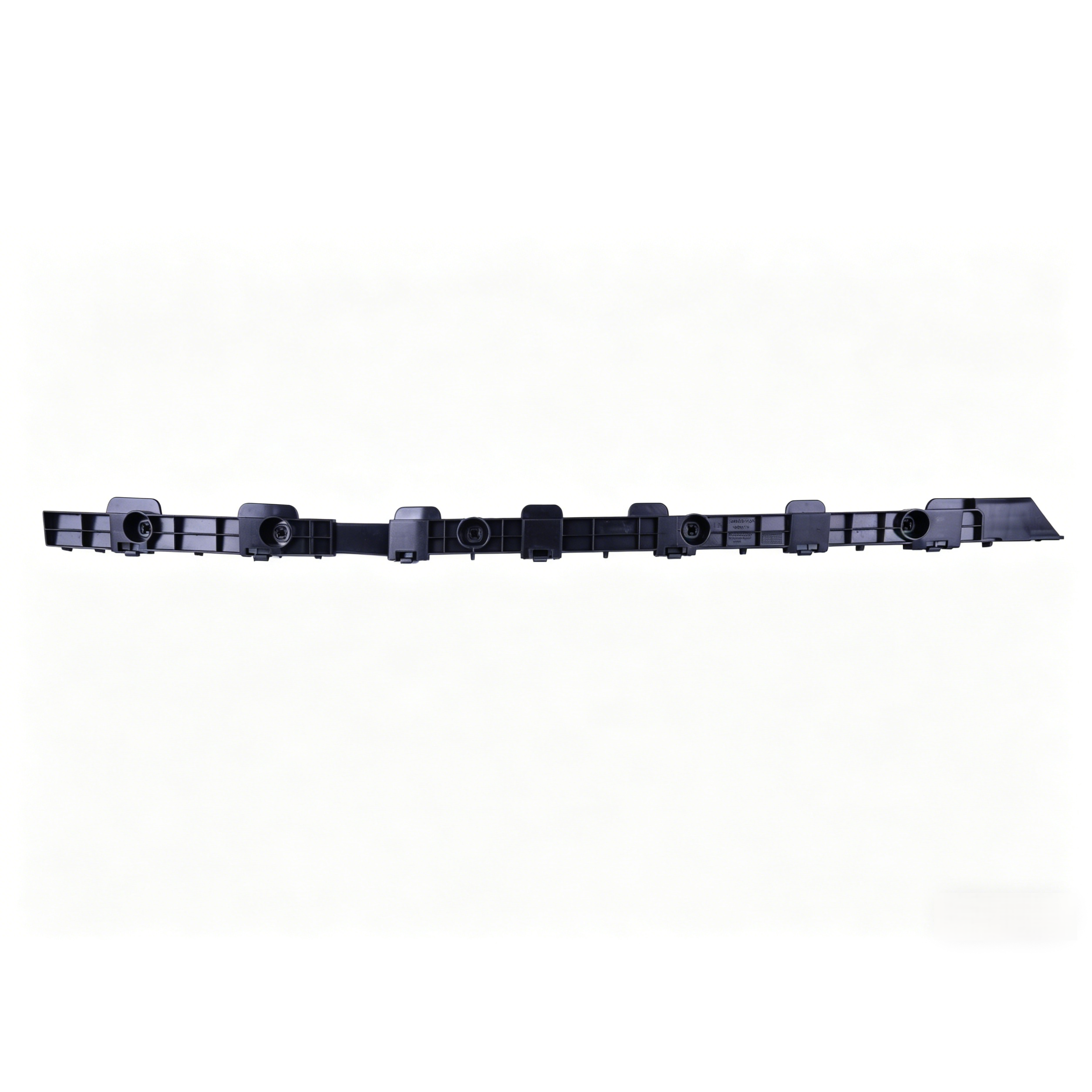
Auto body panels represent the fundamental exterior components that form the protective shell and aesthetic facade of any vehicle. These essential structural elements serve multiple critical purposes, ranging from safeguarding passengers and internal mechanisms to defining the vehicle's visual identity and aerodynamic performance. Modern auto body panels encompass doors, hoods, fenders, roofs, trunk lids, quarter panels, and bumper covers, each precisely engineered to meet rigorous safety standards while maintaining lightweight construction principles. The evolution of auto body panels has been remarkable, transitioning from heavy steel constructions to sophisticated composite materials that balance strength with weight efficiency. Today's auto body panels incorporate advanced manufacturing techniques such as hot stamping, hydroforming, and precision laser cutting to achieve optimal structural integrity. These components must withstand diverse environmental challenges including extreme temperatures, moisture exposure, road debris impact, and ultraviolet radiation while preserving their protective capabilities and appearance. The technological features embedded within contemporary auto body panels include crumple zones that absorb collision energy, integrated mounting points for safety systems, and compatibility with advanced driver assistance technologies. Material science innovations have introduced aluminum alloys, high-strength steel variants, carbon fiber composites, and thermoplastic polymers into panel construction, each offering distinct performance characteristics. Auto body panels find applications across all vehicle categories, from compact passenger cars to heavy-duty commercial trucks, with each application demanding specific engineering considerations. The automotive repair and restoration industry relies heavily on replacement auto body panels to maintain vehicle value and safety compliance. Manufacturing precision ensures proper fitment, minimizing gaps and alignment issues that could compromise both aesthetics and functionality. The surface preparation of auto body panels facilitates superior paint adhesion, enabling long-lasting finish quality that resists environmental degradation and maintains color consistency throughout the vehicle's service life.






 EN
EN