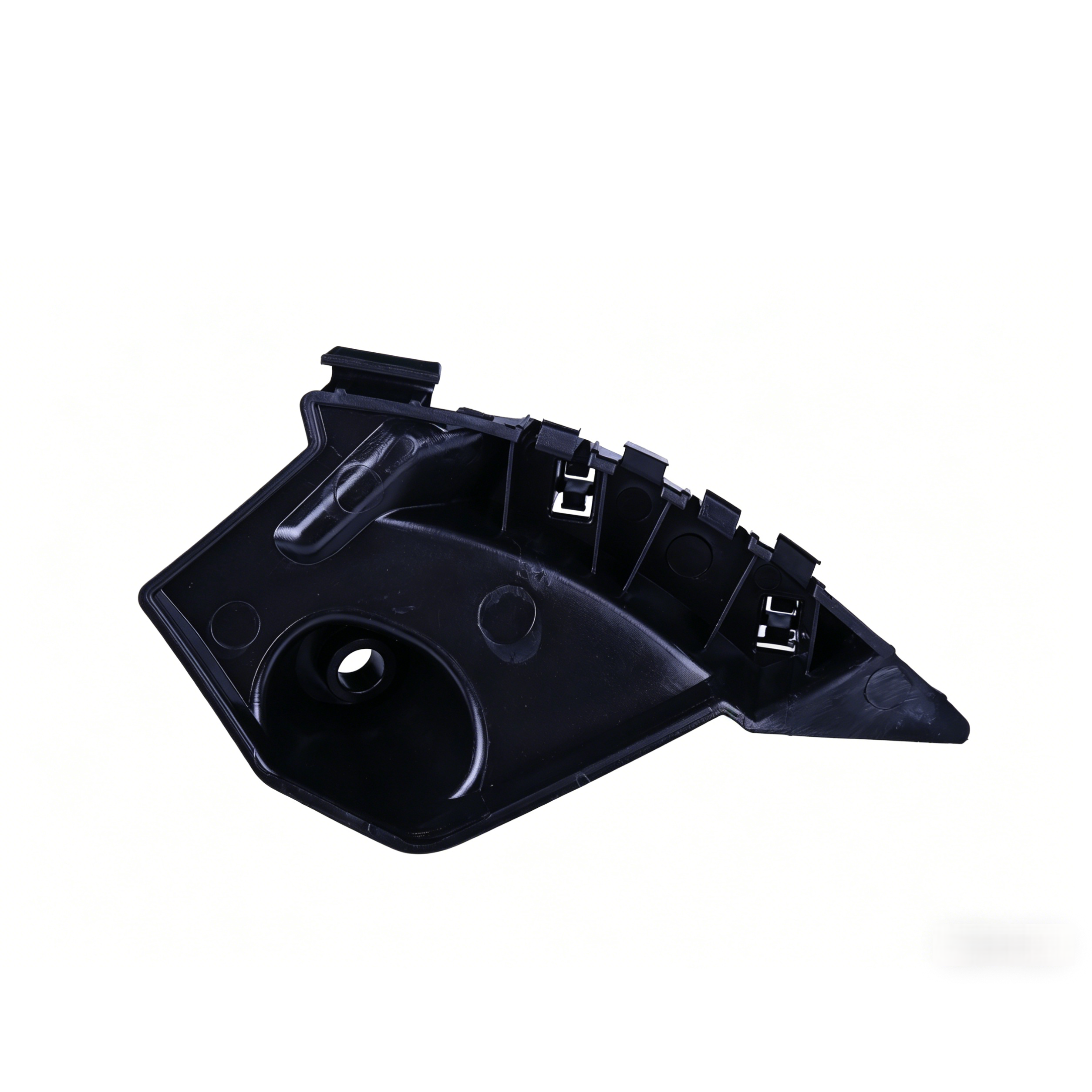
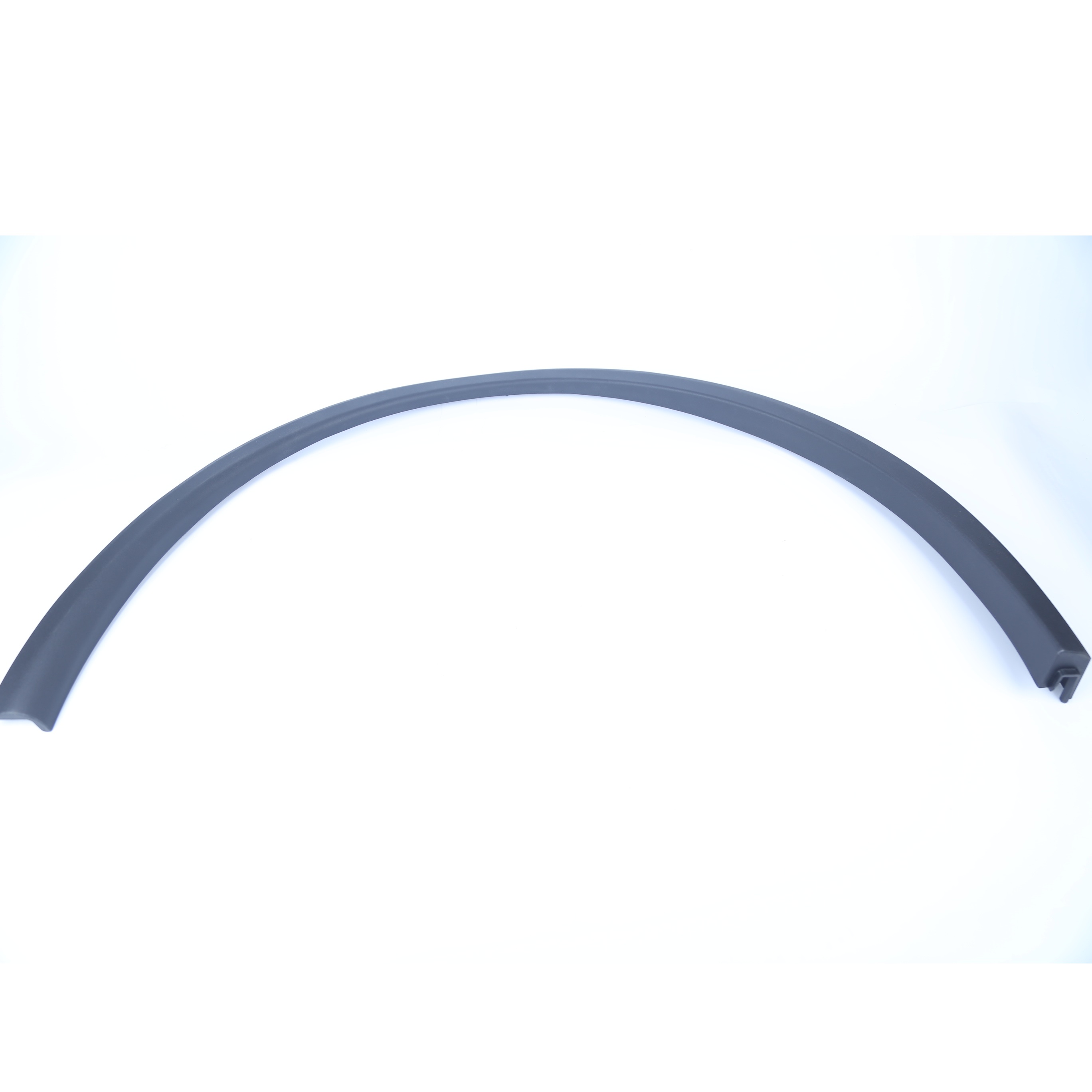
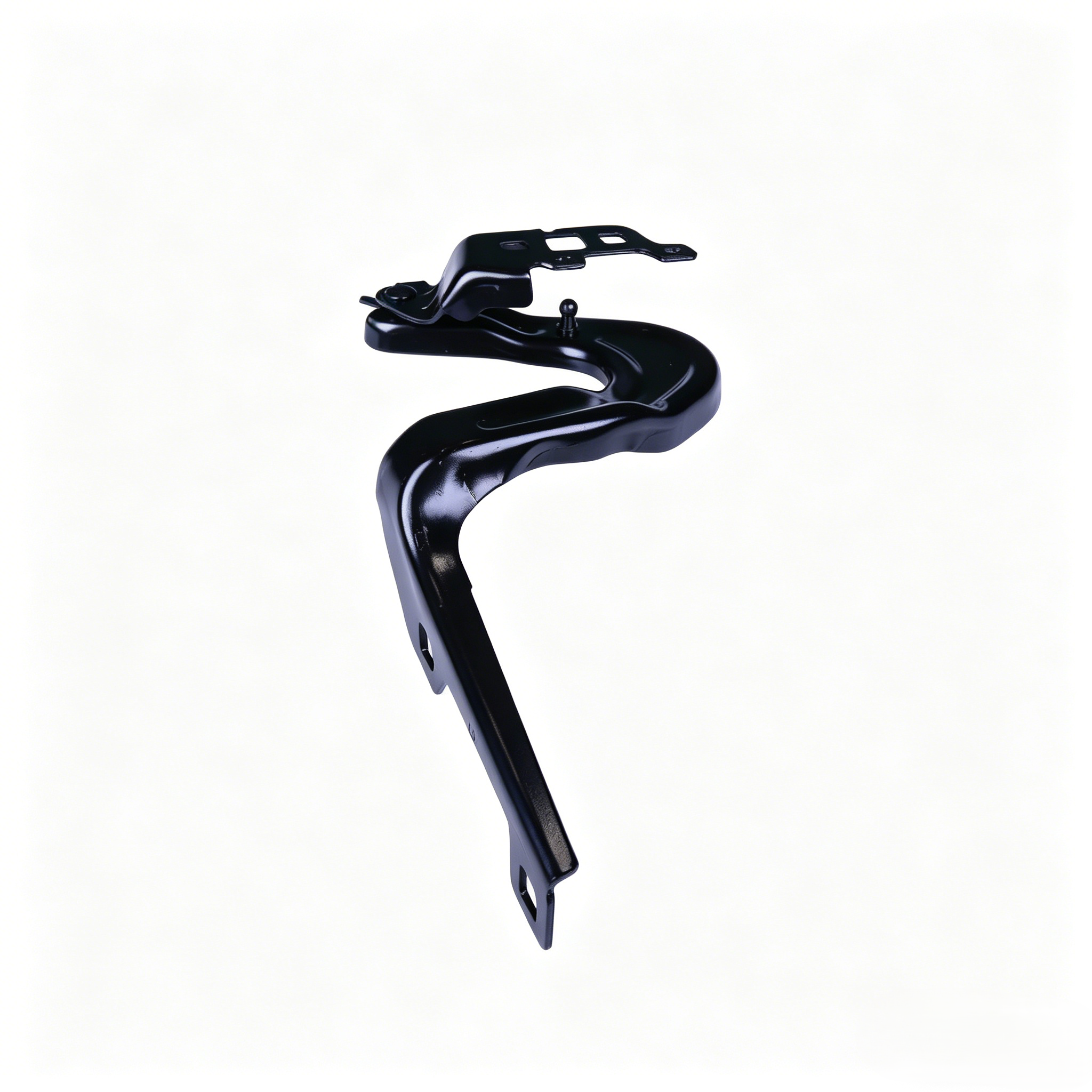
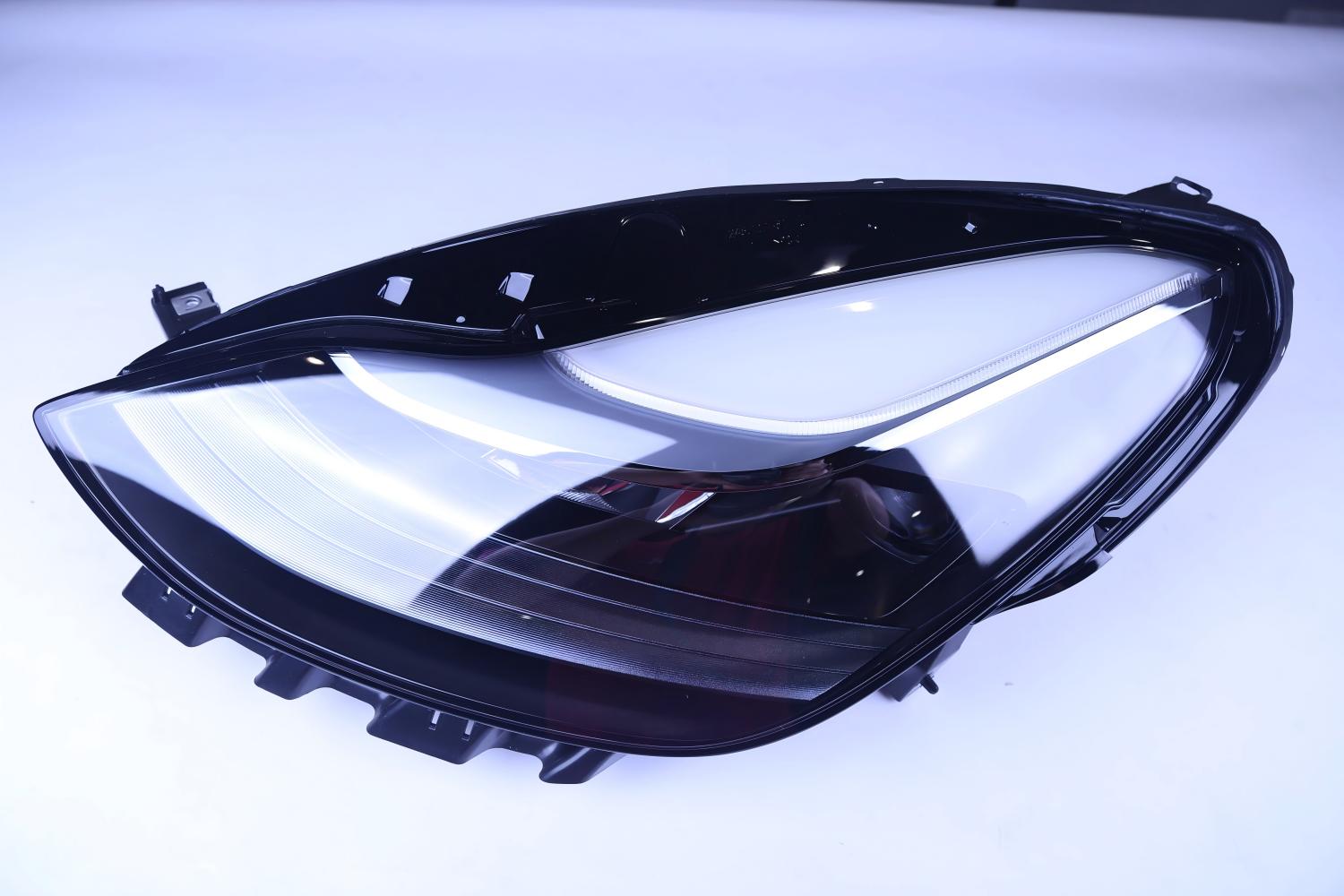
Premium Engine Hood Solutions - Advanced Protection and Performance Enhancement

Get a Free Quote

Our representative will contact you soon.
Email
Name
Company Name
Message
0/1000

engine hood

The engine hood serves as a critical protective component in automotive design, safeguarding the power plant beneath while contributing to vehicle aerodynamics and aesthetics. This essential panel creates a barrier between the engine compartment and external elements, preventing debris, moisture, and contaminants from compromising engine performance. Modern engine hoods incorporate advanced materials such as aluminum alloys, carbon fiber composites, and high-strength steel, each selected for specific performance characteristics including weight reduction, durability, and thermal management. The structural design integrates crumple zones that absorb impact energy during collisions, enhancing occupant safety through controlled deformation patterns. Ventilation systems built into the engine hood facilitate optimal air circulation, managing heat dissipation from high-performance engines while maintaining appropriate operating temperatures. Sound insulation layers bonded to the underside reduce engine noise transmission into the cabin, creating a quieter driving environment. The finish options range from factory paint matching the vehicle body to aftermarket alternatives like matte wraps, gloss coatings, and custom graphics. Hinges and support mechanisms enable easy access for maintenance procedures, with gas struts providing convenient hands-free operation. The engine hood also houses secondary components including washer nozzles, decorative emblems, and integrated lighting elements on select models. Aerodynamic sculpting reduces drag coefficients, improving fuel efficiency and high-speed stability. Manufacturing processes employ stamping, hydroforming, and composite molding techniques to achieve precise dimensional tolerances and surface quality. Quality control protocols verify panel gaps, alignment accuracy, and structural integrity before installation. The evolution of engine hood technology reflects broader automotive trends toward lightweighting, sustainability, and enhanced safety standards, making this component far more sophisticated than its simple appearance might suggest.

Popular Products

Choosing the right engine hood delivers multiple practical benefits that directly impact your ownership experience and vehicle value. Weight savings represent a primary advantage, with modern materials reducing mass by up to forty percent compared to traditional steel construction, which translates into better acceleration, improved handling responsiveness, and enhanced fuel economy over the vehicle's lifetime. This reduction in unsprung weight also decreases stress on suspension components, potentially lowering maintenance costs. The thermal management properties of advanced engine hoods protect critical components from excessive heat exposure, extending the service life of hoses, belts, wiring harnesses, and electronic modules located near the engine. Proper heat dissipation prevents performance degradation during demanding driving conditions, maintaining consistent power output whether commuting in traffic or navigating mountain roads. Safety enhancements built into contemporary engine hood designs include pedestrian protection features that utilize deformable structures and controlled collapse zones, reducing injury severity in unfortunate accidents. The quick-release mechanisms and lightweight construction also facilitate easier removal during emergency situations, providing first responders with faster access if needed. Maintenance accessibility improves significantly with well-designed engine hoods that open wide and stay securely propped, allowing comfortable reach to fluid reservoirs, batteries, and service points without awkward positioning or additional support tools. This convenience encourages regular inspection habits that catch minor issues before they become expensive repairs. Corrosion resistance in modern engine hoods surpasses older designs through galvanized coatings, composite materials, and protective sealants that withstand road salt, industrial pollutants, and harsh weather conditions year after year. The aesthetic contribution cannot be overlooked, as the engine hood comprises a significant portion of the vehicle's visible surface area and sets the tone for overall design character. Custom options allow personalization that reflects individual style preferences, from aggressive performance styling to refined luxury appearances. Noise reduction technologies integrated within the engine hood structure create a more pleasant cabin environment, filtering out mechanical sounds that would otherwise intrude on conversations and audio system clarity. Environmental benefits emerge from recyclable materials and manufacturing processes that minimize waste, aligning with sustainability goals while maintaining structural performance. The resale value of vehicles equipped with premium engine hoods typically remains stronger, as buyers recognize the quality and functionality advantages these components provide throughout the ownership period.

Latest News

Consolidating Foundations, Forging New Paths, Gathering Momentum for Breakthroughs - Jiapei's Two Grand Events of 2026 Conclude Successfully

09

Apr

Consolidating Foundations, Forging New Paths, Gathering Momentum for Breakthroughs - Jiapei's Two Grand Events of 2026 Conclude Successfully

View More
Shanghai Jiapei Partners with Mahle to Launch a New Journey in China's Chassis Aftermarket

07

Apr

Shanghai Jiapei Partners with Mahle to Launch a New Journey in China's Chassis Aftermarket

View More
Jiapei's 2025 Yan'an Summit Concludes Successfully: Empowered by Red Gene, Embarking on a New Journey of

28

Apr

Jiapei's 2025 Yan'an Summit Concludes Successfully: Empowered by Red Gene, Embarking on a New Journey of "Nurturing Ambition, Securing Customer Trust, Forging the Future"

View More

Get a Free Quote

Our representative will contact you soon.
Email
Name
Company Name
Message
0/1000

engine hood

Advanced Material Engineering for Superior Performance

Advanced Material Engineering for Superior Performance

The engine hood construction utilizes cutting-edge material science to achieve an optimal balance between strength, weight, and cost-effectiveness that transforms vehicle dynamics and longevity. Aluminum alloy formulations specifically developed for automotive applications deliver exceptional rigidity while weighing significantly less than conventional steel alternatives, enabling manufacturers to meet increasingly stringent fuel economy regulations without compromising structural integrity. These aluminum engine hoods undergo specialized heat treatment processes that enhance grain structure, creating a material matrix capable of absorbing impact forces while resisting fatigue from constant vibration exposure. The corrosion resistance inherent to aluminum eliminates the rust problems that plague steel components in humid climates or regions where road salt applications are common during winter months. Carbon fiber composite engine hoods represent the pinnacle of lightweight engineering, offering strength-to-weight ratios that exceed metals by substantial margins while introducing design flexibility impossible with traditional materials. The layered construction of carbon fiber allows engineers to orient fibers in specific directions, creating tailored stiffness patterns that optimize structural performance exactly where needed. Manufacturing advances have made carbon fiber engine hoods more accessible beyond exotic sports cars, bringing aerospace-grade technology to performance-oriented street vehicles. High-strength steel variants remain relevant for applications prioritizing maximum durability and cost efficiency, with advanced metallurgy producing thinner gauge materials that maintain protective capabilities while reducing overall mass. The surface treatments applied to steel engine hoods include multi-layer coatings that provide exceptional chip resistance and UV stability, preserving appearance quality through years of exposure. Hybrid constructions combining different materials in strategic locations represent an emerging trend, placing aluminum in the center section for weight savings while using steel reinforcements at hinge mounting points and latch locations where concentrated loads occur. This material optimization achieves performance targets impossible with single-material designs. The environmental impact of material selection extends beyond the use phase, with aluminum and carbon fiber both offering excellent recyclability that reduces lifecycle environmental footprints compared to materials destined for landfills at end of life.
Integrated Safety Systems Protecting Occupants and Pedestrians

Integrated Safety Systems Protecting Occupants and Pedestrians

Modern engine hood designs incorporate sophisticated safety mechanisms that protect both vehicle occupants and vulnerable road users through intelligent structural engineering and active deployment systems. The crumple zone architecture built into the engine hood creates a controlled deformation sequence during frontal collisions, absorbing kinetic energy that would otherwise transfer to the passenger compartment and cause injury. Engineers calibrate these collapse patterns through extensive computer simulation and physical crash testing, ensuring predictable behavior across various impact scenarios and speeds. The spacing between the engine hood outer panel and underlying engine components provides crucial crush distance that allows deformation to occur without the hood penetrating into hard points that would resist compression. Pedestrian safety features address the tragic reality of hood-to-pedestrian impacts by incorporating active lifting mechanisms that raise the rear portion of the engine hood milliseconds before contact, creating additional space for energy absorption and reducing head injury criteria measurements. Sensors mounted in the front bumper detect the characteristic signature of pedestrian impacts and trigger pyrotechnic actuators faster than human reaction time, demonstrating how engine hood technology integrates with broader vehicle safety systems. The materials used in these safety-focused engine hoods must maintain structural integrity during normal operation while exhibiting controlled failure modes during impacts, a delicate balance achieved through precise material selection and thickness optimization. Reinforcement ribs strategically placed on the engine hood underside provide stiffness for everyday loads while designed to fold predictably during crashes, channeling force vectors away from critical areas. The latch and hinge systems contribute to safety by maintaining secure closure during normal driving while releasing cleanly during severe impacts, preventing the engine hood from flying open and obstructing driver vision at critical moments. Secondary latch mechanisms provide redundancy against primary latch failure, ensuring the engine hood remains closed even if one system malfunctions. The testing protocols for engine hood safety exceed regulatory minimums at leading manufacturers, with internal standards simulating extreme conditions that vehicles may encounter throughout their service lives. This comprehensive approach to safety engineering makes the engine hood a crucial component in the vehicle's overall protective structure rather than merely a cosmetic panel.
Thermal Management and Aerodynamic Optimization for Efficiency

Thermal Management and Aerodynamic Optimization for Efficiency

The engine hood plays a pivotal role in managing thermal loads and airflow patterns that directly influence vehicle efficiency, performance consistency, and component longevity through carefully engineered design features. Heat extraction systems integrated into the engine hood surface include functional vents, louvered panels, and ducted pathways that channel hot air away from the engine bay, preventing heat soak conditions that degrade performance and accelerate component wear. These ventilation features work in concert with underbody aerodynamics to create pressure differentials that actively pull heated air upward and rearward, replacing it with cooler ambient air drawn through the front grille opening. The positioning and sizing of these vents result from computational fluid dynamics analysis that maps air pressure distributions across the engine hood surface at various speeds, identifying optimal locations for maximum extraction efficiency without creating turbulent flow that increases drag. Insulation materials bonded to the engine hood underside serve dual purposes by reflecting radiant heat back toward the engine bay to maintain optimal operating temperatures during cold starts while preventing excessive heat transfer to the hood outer surface that could damage paint finishes or cause discomfort when touched. The multi-layer construction of these thermal barriers typically combines aluminum foil facing with fibrous core materials that trap air pockets, creating effective thermal breaks with minimal weight addition. Aerodynamic shaping of the engine hood contributes measurably to overall vehicle drag reduction, with streamlined contours that guide airflow smoothly over the windshield and roof rather than creating separation zones that generate turbulence and increase fuel consumption. The transition radius where the engine hood meets the grille and fender panels receives particular attention, as abrupt changes in surface angle create vortices that rob efficiency. Wind tunnel testing validates computer predictions by measuring actual drag forces and identifying areas where refinement can yield additional improvements, leading to subtle surface modifications that may appear insignificant but deliver quantifiable benefits. The paint and coating systems applied to engine hoods must withstand thermal cycling from extreme cold to temperatures exceeding one hundred degrees Celsius without cracking, peeling, or discoloring, requiring specialized formulations that maintain flexibility across this temperature range. Reflective paint colors and heat-rejecting clear coats further reduce thermal loads by bouncing solar radiation rather than absorbing it, keeping the engine bay cooler during vehicle storage and reducing air conditioning loads needed to cool the cabin after sun exposure.

Get a Free Quote

Our representative will contact you soon.
Email
Name
Company Name
Message
0/1000