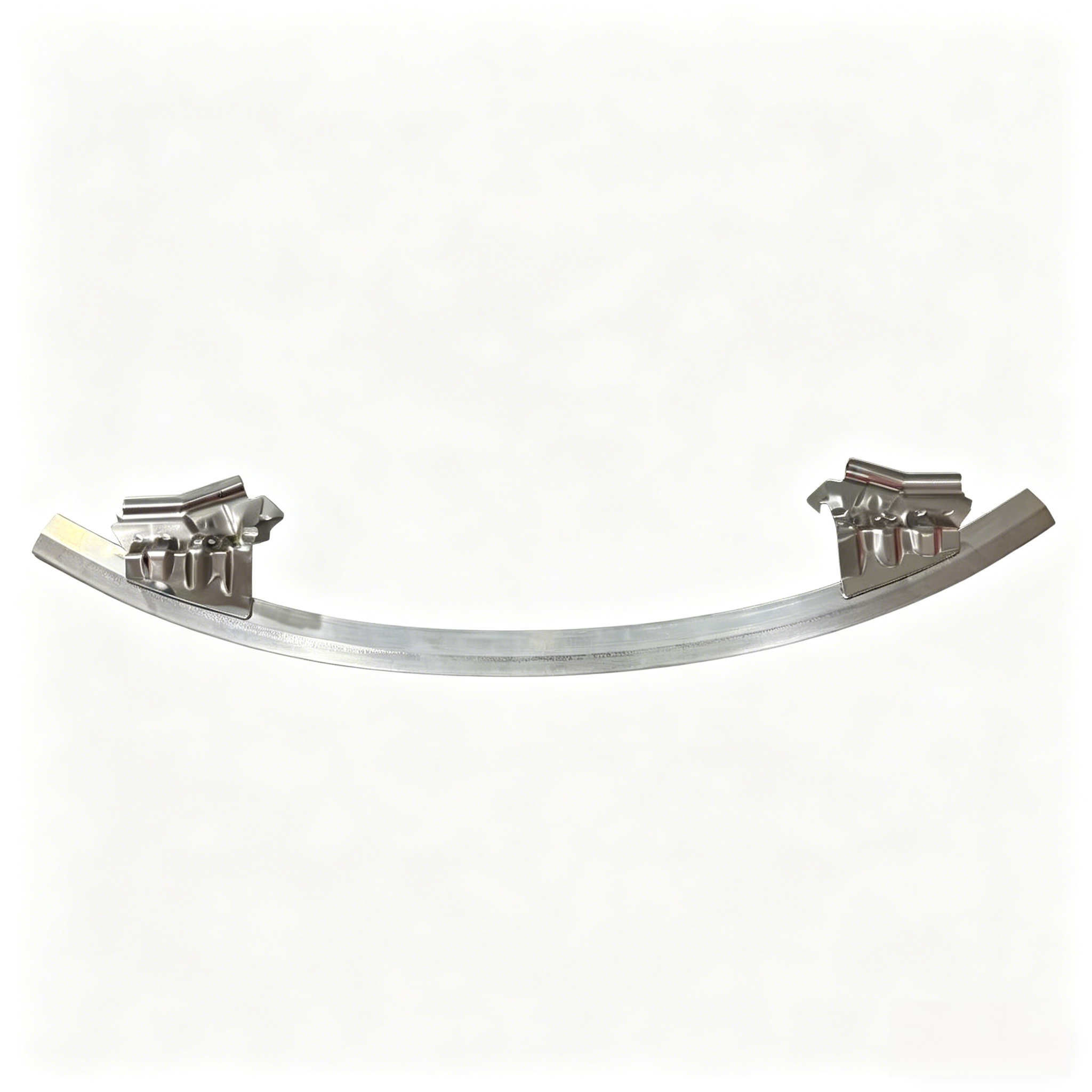
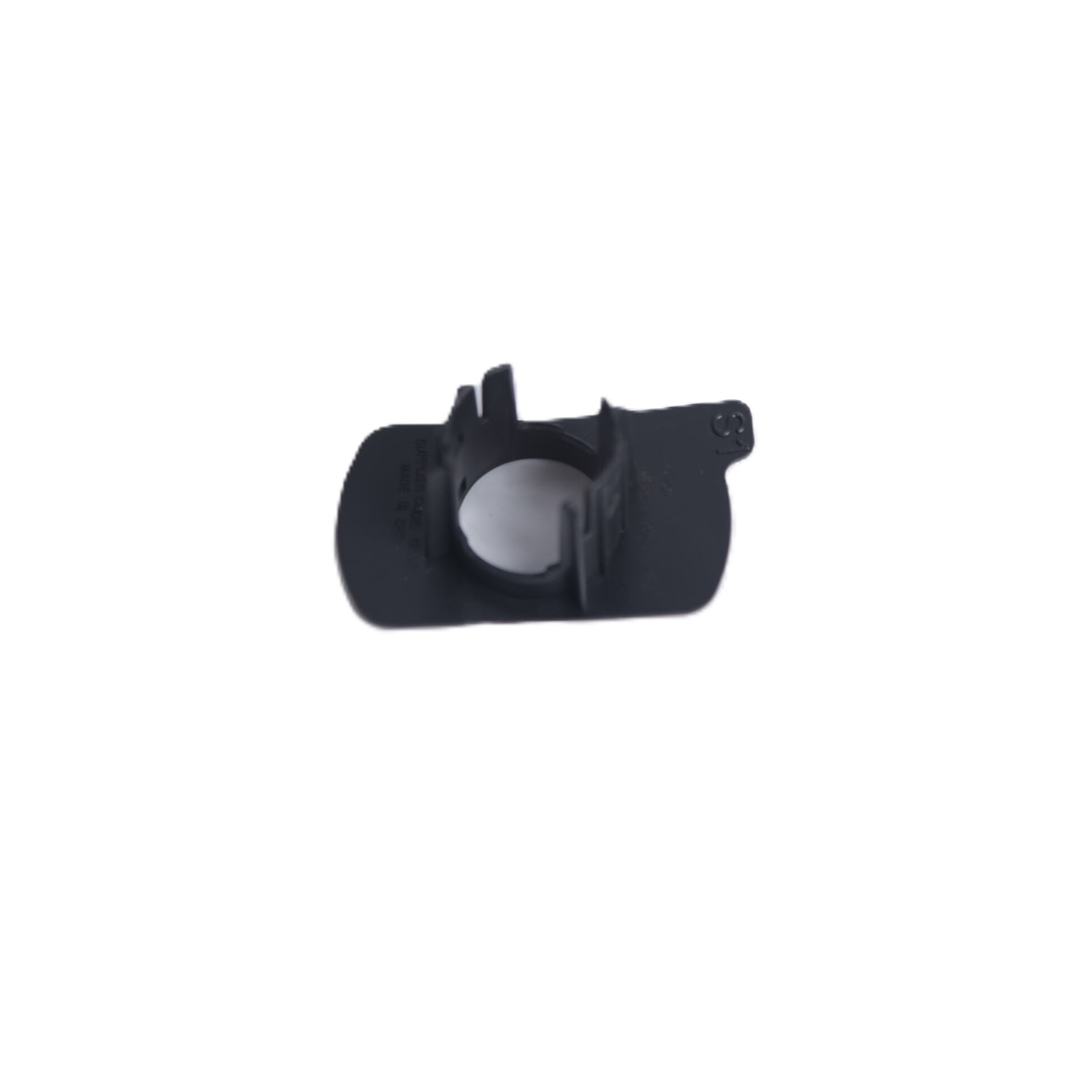
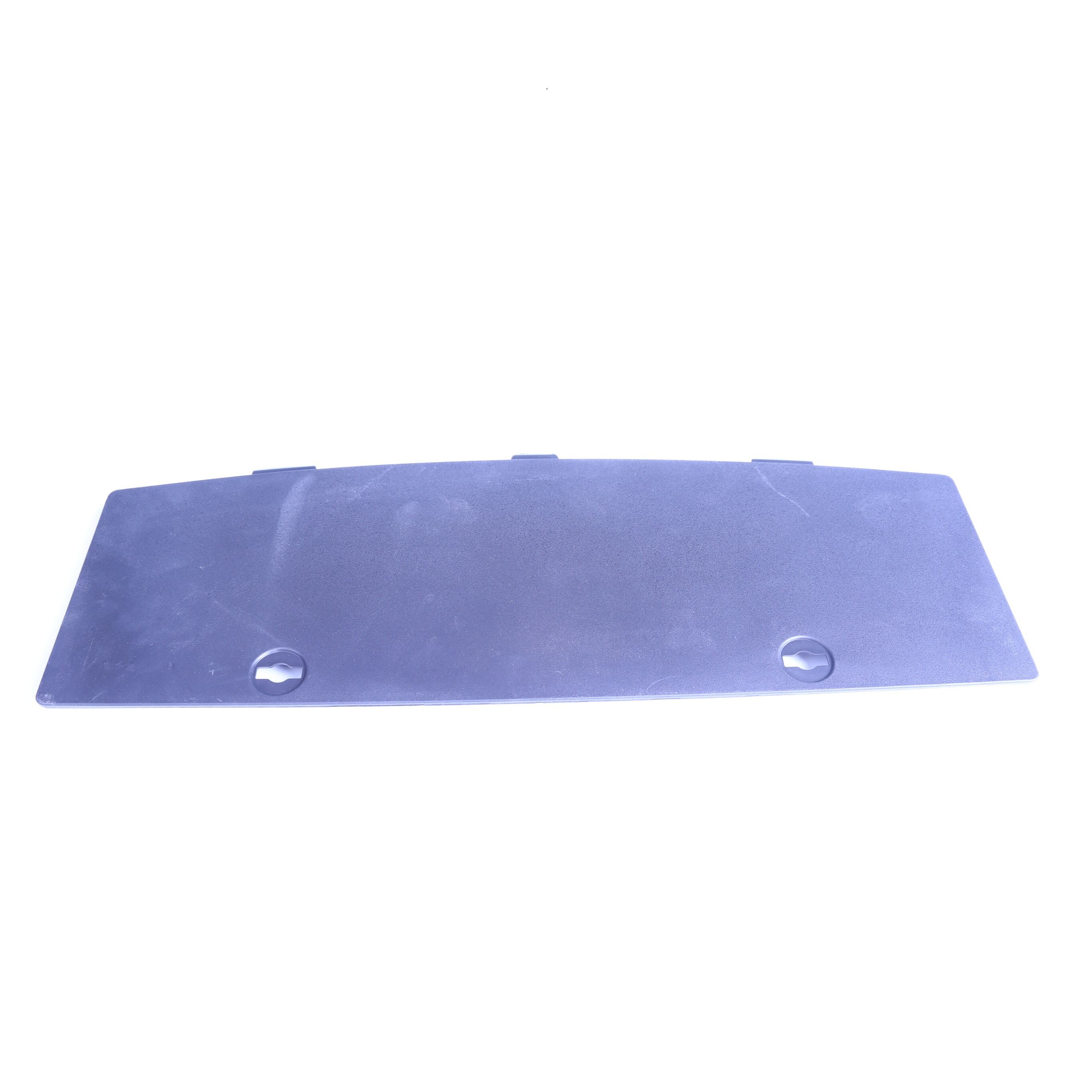
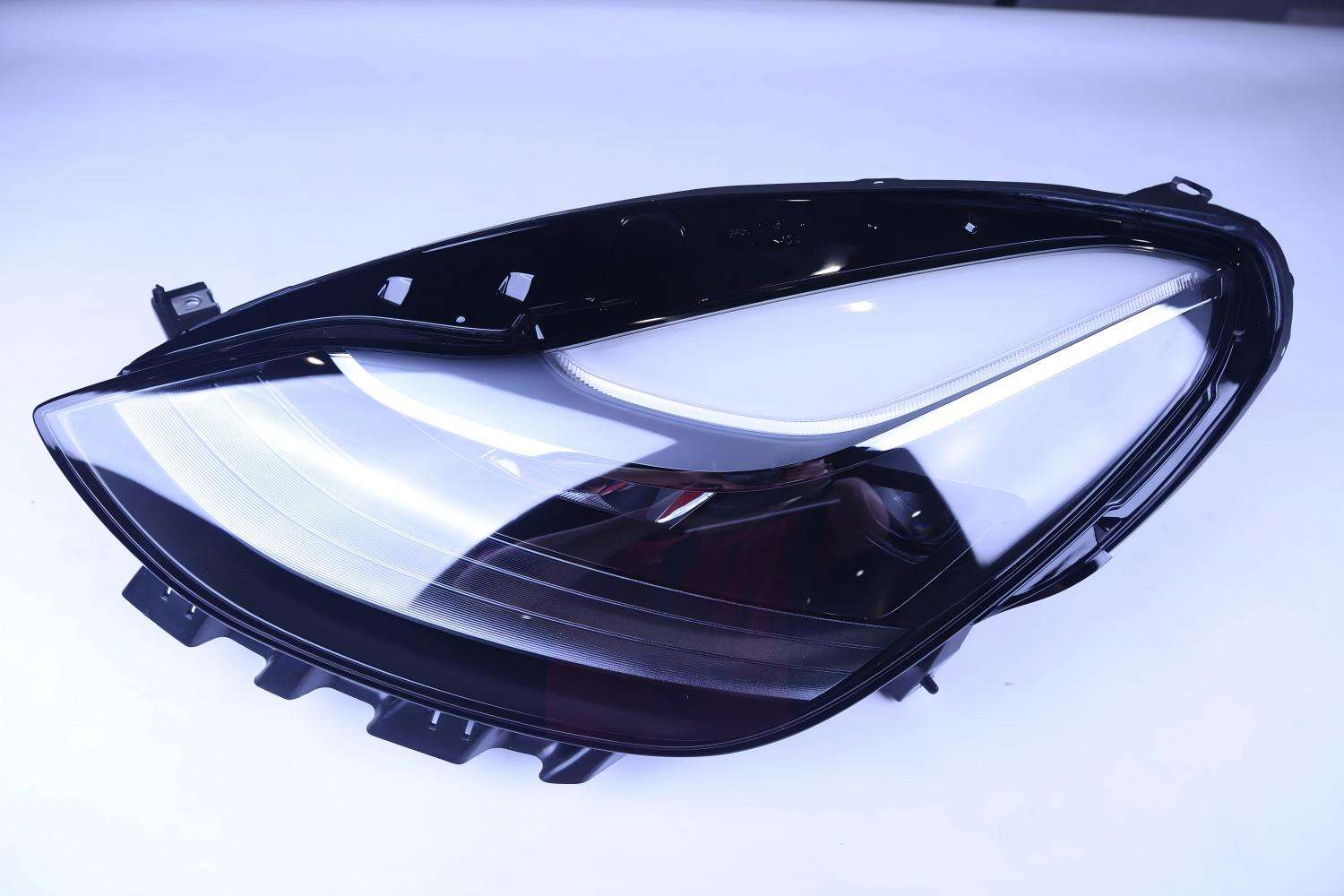
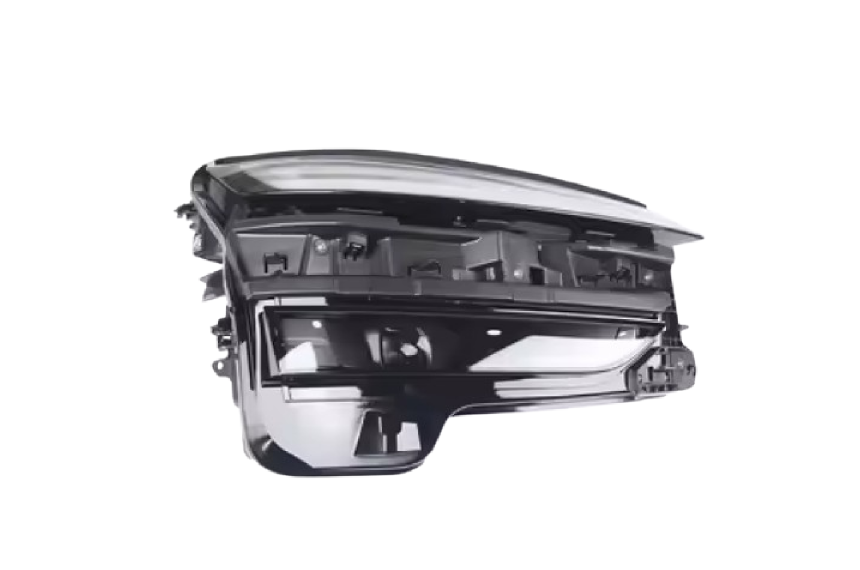
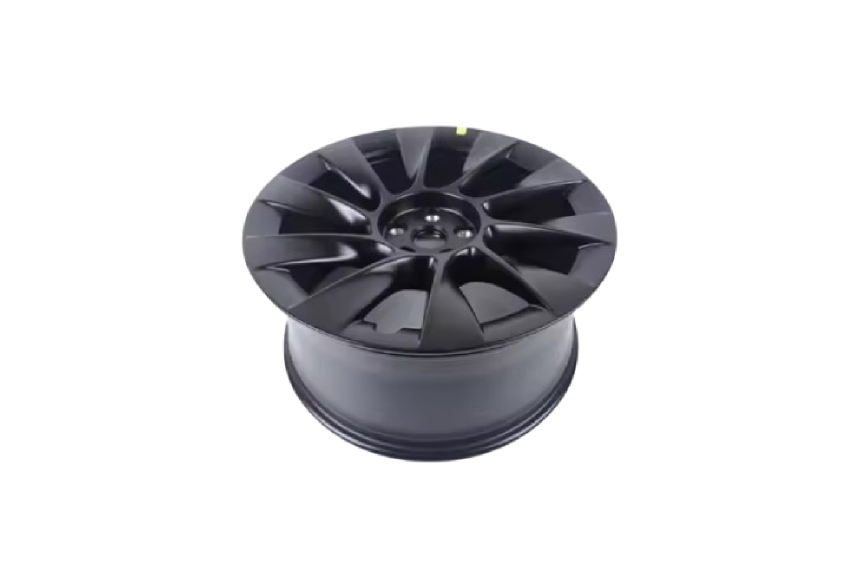
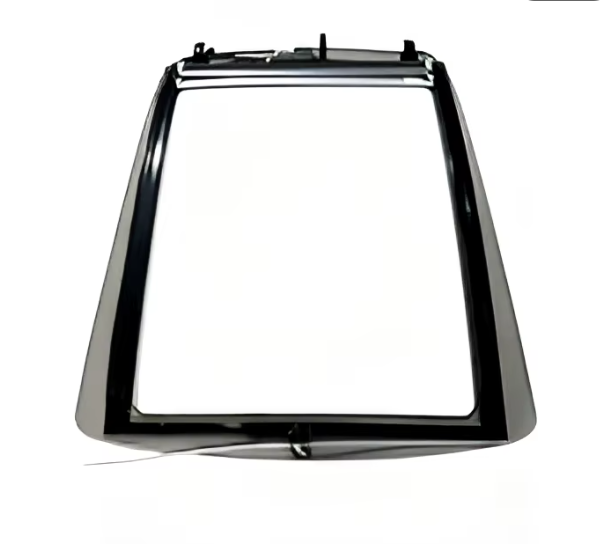
Premium Vehicle Body Panels - Advanced Protection, Durability & Aerodynamic Performance

Get a Free Quote

Our representative will contact you soon.
Email
Name
Company Name
Message
0/1000

vehicle body panels

Vehicle body panels represent the external protective and aesthetic components that form the outer shell of automobiles, trucks, and other transportation vehicles. These critical structural elements serve multiple essential functions beyond mere appearance, acting as the primary barrier between passengers and external elements while contributing significantly to vehicle aerodynamics, safety, and overall performance. Modern vehicle body panels encompass doors, hoods, fenders, quarter panels, roofs, and trunk lids, each engineered with precision to meet stringent safety standards and design specifications. The manufacturing of these panels has evolved dramatically over recent decades, incorporating advanced materials such as high-strength steel, aluminum alloys, carbon fiber composites, and impact-resistant polymers. Contemporary vehicle body panels integrate sophisticated engineering techniques including hydroforming, stamping, and advanced welding methods to achieve optimal strength-to-weight ratios. The design process involves complex computer-aided simulations to ensure panels can withstand collisions, resist corrosion, and maintain structural integrity under various environmental conditions. These components play a vital role in crash energy management, designed to absorb and distribute impact forces away from the passenger compartment during accidents. Additionally, vehicle body panels significantly influence fuel efficiency through aerodynamic optimization, reducing drag coefficients and improving overall vehicle performance. The surface treatments and coatings applied to these panels provide protection against rust, UV degradation, and chemical exposure, extending the vehicle's lifespan and maintaining its visual appeal. Manufacturing processes now emphasize sustainability, with many panels incorporating recycled materials and designed for eventual recyclability at end-of-life. The precision fit and finish of vehicle body panels directly impact wind noise reduction, water sealing, and overall driving comfort, making them essential to the complete automotive experience.


Popular Products

The primary advantage of modern vehicle body panels lies in their ability to provide comprehensive protection while maintaining lightweight construction that enhances fuel economy and vehicle handling. When you choose quality panels, you immediately benefit from reduced fuel consumption because lighter materials mean your engine works less to move the vehicle forward, translating directly into savings at the gas pump. These panels shield you and your passengers from weather elements including rain, snow, wind, and extreme temperatures, creating a comfortable cabin environment regardless of outside conditions. The structural design absorbs impact energy during collisions, potentially saving lives by preventing intrusion into the passenger space and giving occupants critical milliseconds to decelerate safely. You gain peace of mind knowing that corrosion-resistant coatings and treatments protect your investment from rust and deterioration, preserving both appearance and resale value for years. The aerodynamic shaping of these panels reduces wind resistance, which not only improves fuel efficiency but also minimizes road noise, creating a quieter, more pleasant driving experience. Installation and replacement have become more straightforward with standardized mounting points and improved manufacturing tolerances, reducing repair costs and downtime when panels need replacement after accidents. The aesthetic flexibility of vehicle body panels allows manufacturers to create distinctive designs that help you express personal style while maintaining functional excellence. Advanced painting techniques and durable finishes resist fading, chipping, and scratching better than ever before, keeping your vehicle looking newer longer with minimal maintenance. The modularity of panel construction means damaged sections can be replaced individually rather than requiring extensive bodywork, making repairs more affordable and faster. Environmental benefits extend beyond recyclability, as manufacturing processes have become more energy-efficient and generate less waste than traditional methods. The thermal properties of modern panels help maintain cabin temperature, reducing the load on heating and cooling systems and further improving energy efficiency. You also benefit from enhanced safety features integrated into panel design, such as crumple zones engineered to behave predictably during impacts and reinforced areas that provide additional protection in critical zones. The compatibility with advanced driver assistance systems means panels can incorporate sensors, cameras, and radar units without compromising structural integrity or aesthetic appeal, preparing your vehicle for current and future safety technologies.

Practical Tips

Consolidating Foundations, Forging New Paths, Gathering Momentum for Breakthroughs - Jiapei's Two Grand Events of 2026 Conclude Successfully

09

Apr

Consolidating Foundations, Forging New Paths, Gathering Momentum for Breakthroughs - Jiapei's Two Grand Events of 2026 Conclude Successfully

View More
Shanghai Jiapei Partners with Mahle to Launch a New Journey in China's Chassis Aftermarket

07

Apr

Shanghai Jiapei Partners with Mahle to Launch a New Journey in China's Chassis Aftermarket

View More
Jiapei's 2025 Yan'an Summit Concludes Successfully: Empowered by Red Gene, Embarking on a New Journey of

28

Apr

Jiapei's 2025 Yan'an Summit Concludes Successfully: Empowered by Red Gene, Embarking on a New Journey of "Nurturing Ambition, Securing Customer Trust, Forging the Future"

View More

Get a Free Quote

Our representative will contact you soon.
Email
Name
Company Name
Message
0/1000

vehicle body panels

Advanced Safety Integration and Collision Protection

Advanced Safety Integration and Collision Protection

Vehicle body panels represent the first line of defense in protecting occupants during accidents, incorporating sophisticated engineering that goes far beyond simple metal covering. Modern panels utilize strategic reinforcement zones and carefully calculated thickness variations to create progressive crumple zones that absorb impact energy in controlled sequences. When a collision occurs, these panels deform in predetermined patterns that maximize energy absorption while maintaining the integrity of the passenger compartment, effectively creating a protective cage around occupants. The materials selected for different panel locations reflect extensive crash testing and computer simulation, with high-strength steel placed in areas requiring maximum rigidity and more flexible materials used where controlled deformation is beneficial. This intelligent material distribution ensures that vehicle body panels work as an integrated safety system rather than isolated components. The door panels incorporate side-impact beams and reinforced structures that resist intrusion during lateral collisions, which are particularly dangerous due to the limited space between occupants and the impact point. Hood panels feature pedestrian-friendly designs with deformable sections that reduce injury severity in the unfortunate event of striking a pedestrian, demonstrating how modern panels balance occupant protection with broader safety considerations. The attachment methods for these panels have evolved to include breakaway fasteners and sacrificial mounting points that allow controlled separation during severe impacts, preventing panels from becoming hazardous projectiles. Paint and coating systems on vehicle body panels now include reflective elements and specific color formulations that enhance visibility to other drivers, particularly in low-light conditions, contributing to accident prevention. The integration of sensors and cameras into panel structures supports advanced driver assistance features such as blind-spot monitoring, lane departure warning, and collision avoidance systems, transforming passive protective elements into active safety contributors. Manufacturing quality control ensures consistent panel gaps and alignment, which proves critical not only for aesthetics but also for maintaining structural integrity during impacts, as misaligned panels can compromise crumple zone performance and create unexpected failure points.
Durability and Long-Term Value Preservation

Durability and Long-Term Value Preservation

The longevity and resilience of vehicle body panels directly determine how well your vehicle maintains its appearance, functionality, and market value throughout its operational life. Contemporary panels benefit from multi-layer coating systems that begin with electro-deposition primers applied in controlled environments, creating a molecular bond with the base material that resists corrosion from the inside out. These foundational treatments are followed by intermediate coatings that provide additional barrier protection and chip resistance, then topped with color coats and clear protective layers that defend against UV radiation, acid rain, industrial fallout, and road chemicals. The result is a comprehensive shield that maintains the original finish for years while requiring only basic washing and occasional waxing to preserve its appearance. Galvanized steel and aluminum alloys used in modern vehicle body panels resist oxidation naturally, with zinc coatings on steel panels providing sacrificial protection that continues working even when the surface is scratched, preventing rust from spreading beneath the paint. The design of panel edges and joints incorporates drainage channels and ventilation paths that prevent moisture accumulation, eliminating the hidden corrosion that often begins in concealed areas and spreads undetected until structural damage occurs. Attachment hardware and fastening systems utilize stainless steel or specially coated fasteners that won't corrode and seize, ensuring panels remain serviceable and replaceable throughout the vehicle's lifetime. The flexibility engineered into these panels allows them to withstand minor impacts from shopping carts, door dings, and road debris without permanent deformation, with shape memory characteristics that help panels return to their original form after minor stress. Stone chip resistance has improved dramatically through harder clear coat formulations and strategic use of protective films in high-impact areas like lower door panels and front fenders, reducing the touch-up maintenance required to keep your vehicle looking pristine. Temperature cycling resistance ensures panels won't crack, warp, or delaminate despite experiencing extreme heat in summer sun and freezing temperatures in winter conditions, maintaining precise fit and seal integrity across all climate zones.
Environmental Efficiency and Sustainable Manufacturing

Environmental Efficiency and Sustainable Manufacturing

Modern vehicle body panels exemplify the automotive industry's commitment to environmental responsibility through innovative materials, manufacturing processes, and end-of-life recyclability. The shift toward aluminum and advanced high-strength steel in panel construction reduces vehicle weight significantly compared to traditional materials, with every hundred pounds of weight reduction translating to improved fuel economy of approximately one to two percent, meaning lighter panels directly decrease carbon emissions over the vehicle's lifetime. Manufacturing facilities producing these panels have adopted closed-loop water systems that recycle process water, reducing consumption by up to ninety percent compared to older methods, while advanced paint application technologies minimize overspray and volatile organic compound emissions. The stamping and forming processes utilize computer-controlled hydraulic systems that optimize energy consumption by applying force only where and when needed, eliminating the constant energy draw of older mechanical press systems. Many manufacturers now incorporate recycled content into vehicle body panels, with some aluminum panels containing up to thirty percent post-consumer recycled material without compromising strength or durability, creating a circular economy for automotive materials. The design-for-disassembly approach ensures that panels can be quickly removed and sorted during vehicle recycling, with different materials separated efficiently to maintain their value in secondary markets rather than being downcycled or sent to landfills. Biodegradable sound-deadening materials and water-based adhesives used in panel assembly reduce environmental impact while maintaining performance standards, demonstrating that sustainability and quality are not mutually exclusive. The extended service life of modern panels reduces replacement frequency, decreasing the environmental burden associated with manufacturing new components and the energy required for repair operations. Some innovative panels now incorporate natural fiber reinforcements in composite structures, utilizing renewable materials like hemp or flax fibers that offer excellent strength-to-weight ratios while sequestering carbon during their growth phase. Transportation efficiency improvements come from nestable panel designs that maximize shipping density, reducing the fuel consumed and emissions generated during distribution from manufacturing facilities to assembly plants and aftermarket suppliers.

Get a Free Quote

Our representative will contact you soon.
Email
Name
Company Name
Message
0/1000