rear bumper
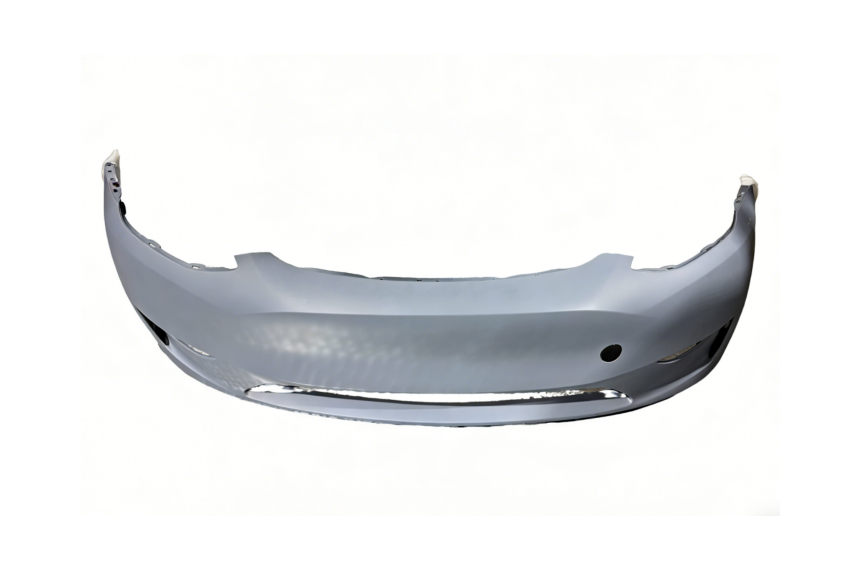
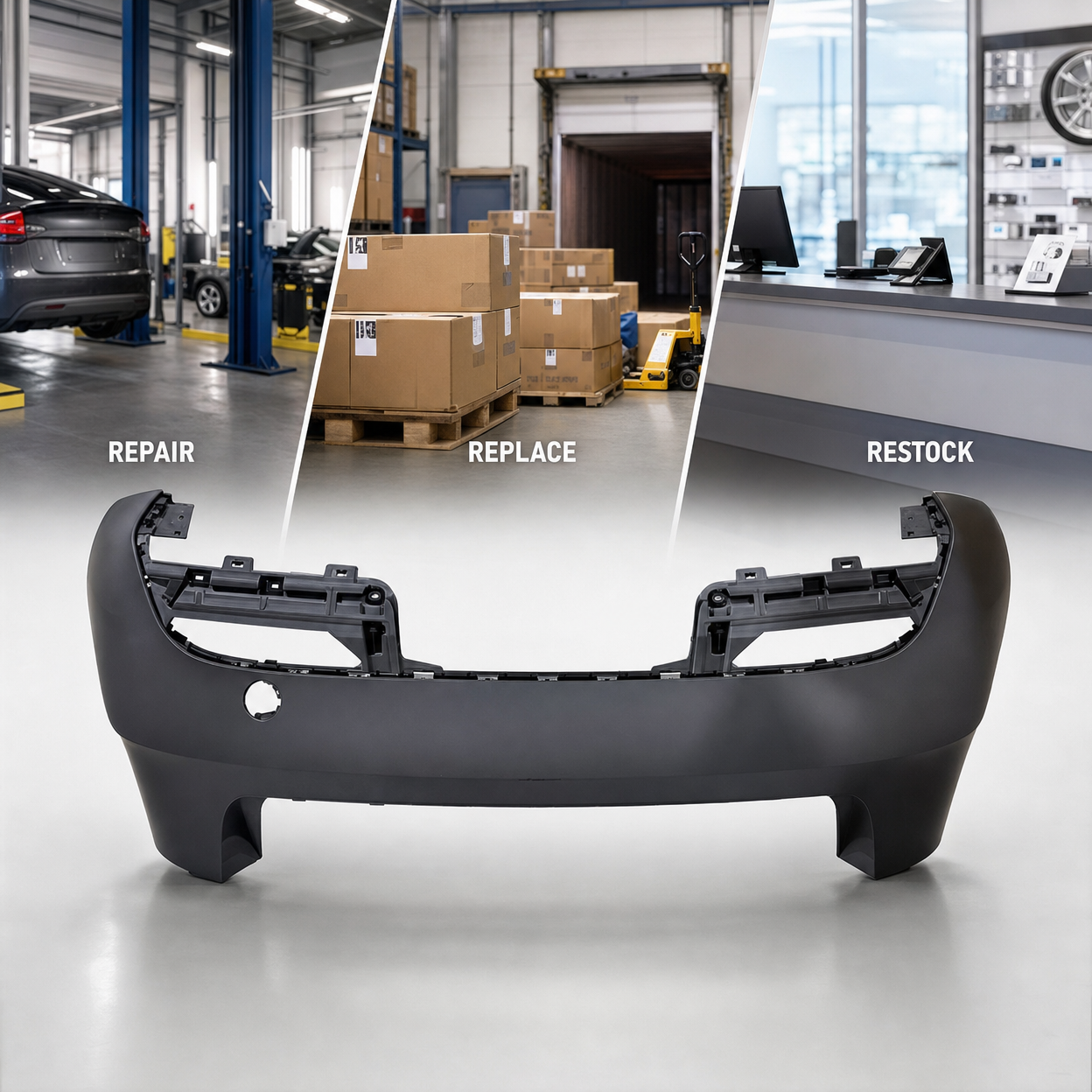
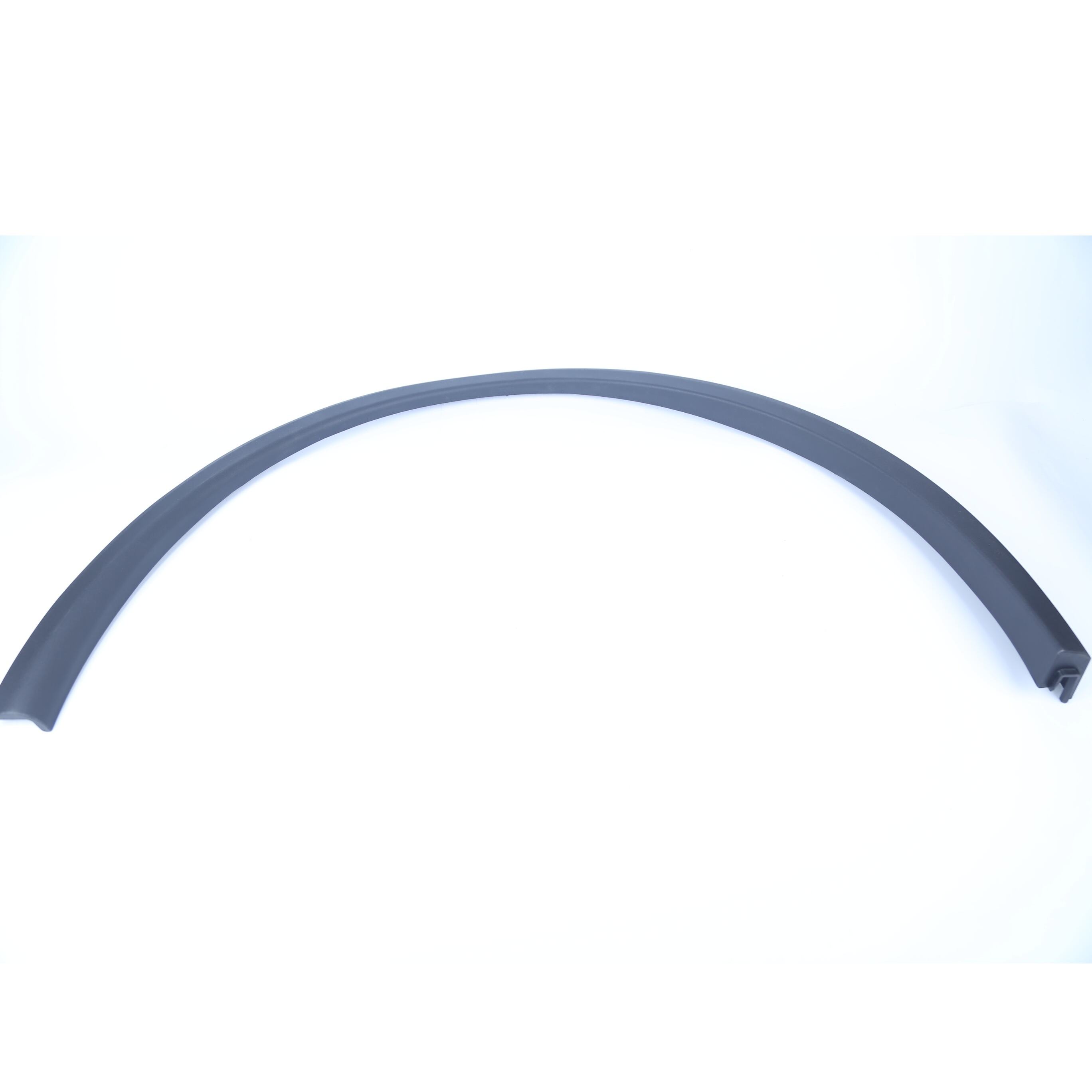
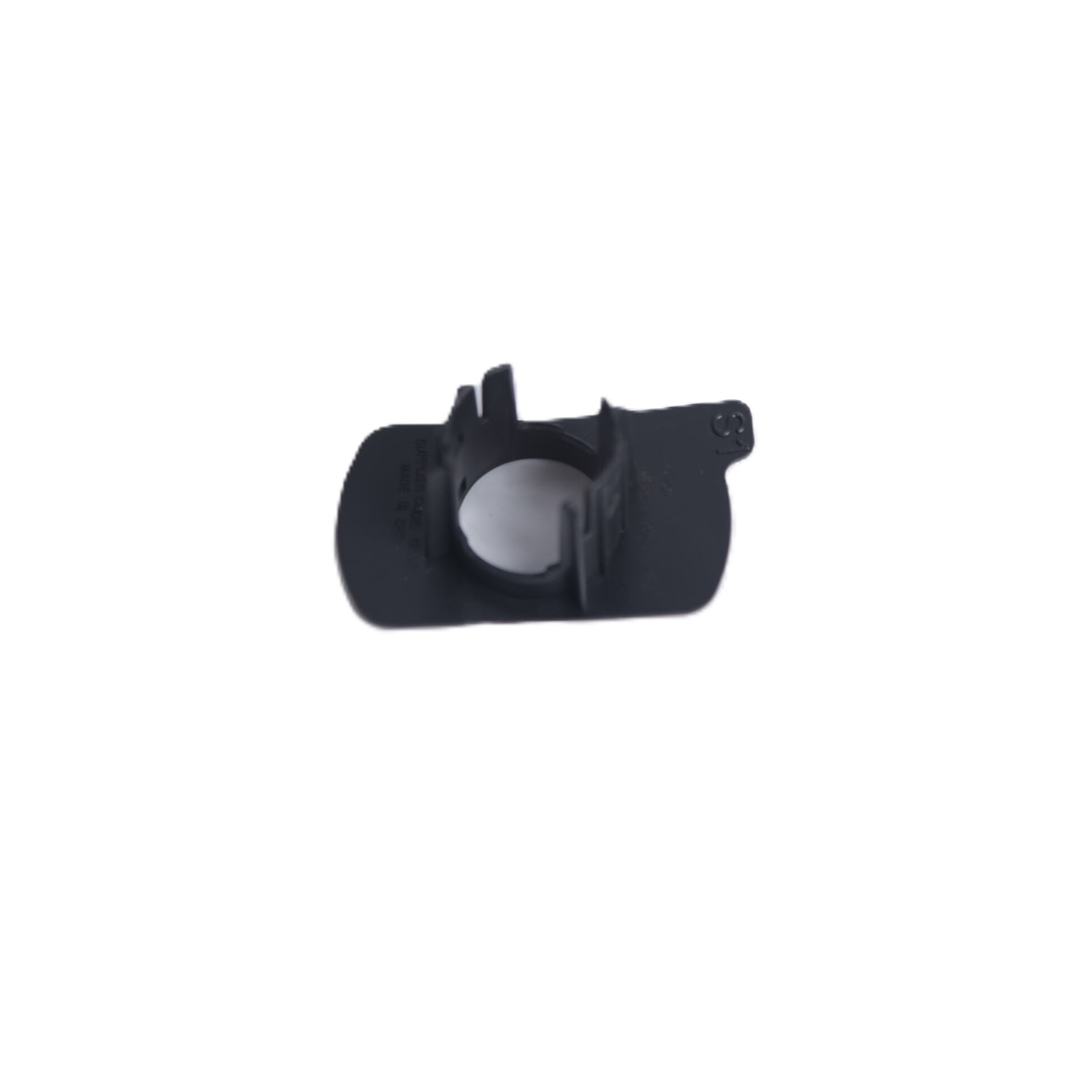
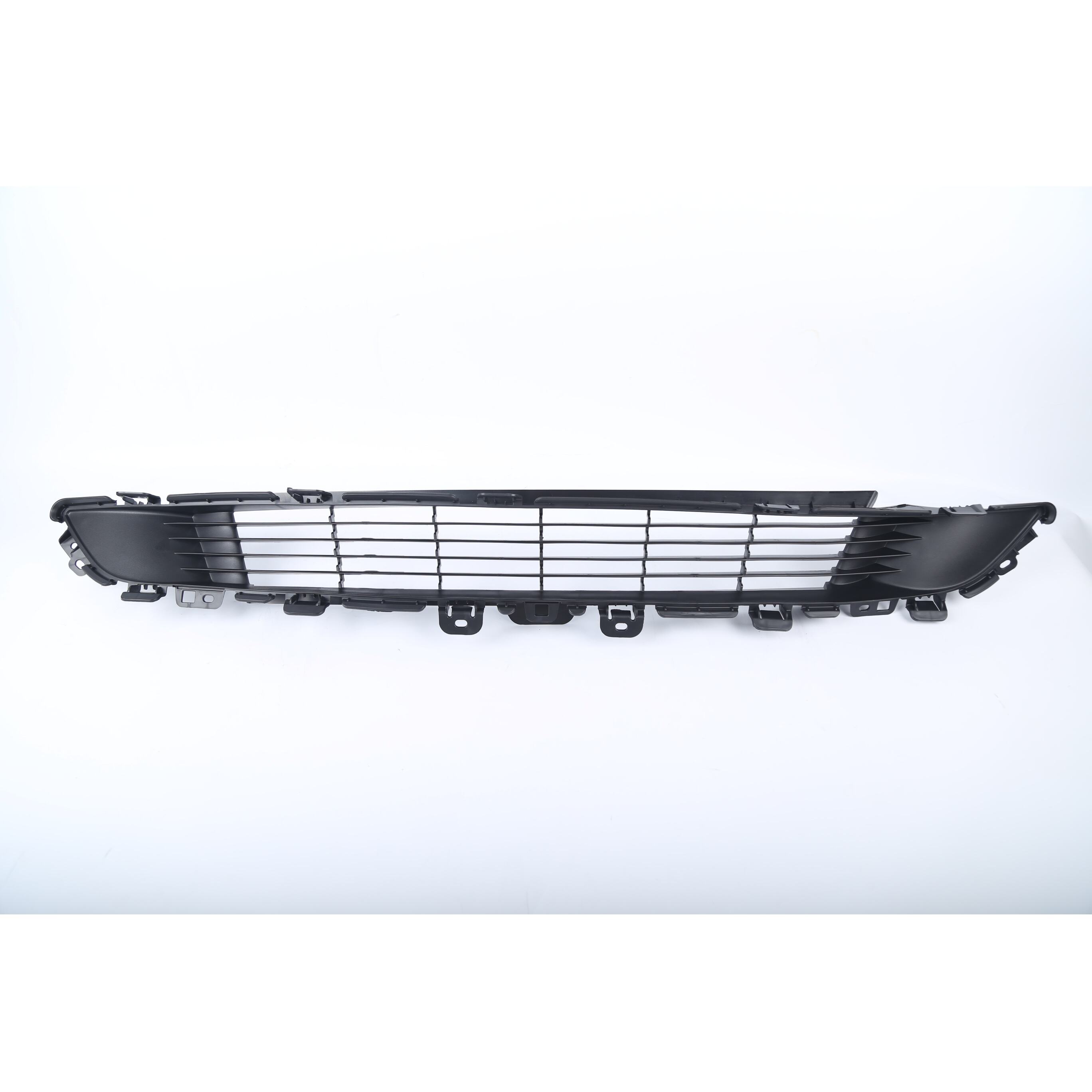
The rear bumper serves as a critical protective component mounted at the back of vehicles, designed to absorb impact energy during low-speed collisions and safeguard both the vehicle structure and its occupants. Modern rear bumpers integrate multiple functions beyond basic protection, incorporating advanced materials and smart technologies to enhance safety, aesthetics, and functionality. These components typically consist of a reinforcement bar, energy-absorbing foam or crushable structures, and an outer fascia that matches the vehicle's design language. The rear bumper works in conjunction with the vehicle's safety systems to minimize damage during parking incidents, rear-end collisions, and loading operations. Contemporary designs feature integrated sensors for parking assistance systems, cameras for backup visibility, and mounting points for towing equipment. The technological evolution of rear bumpers has introduced materials like thermoplastic olefins, polypropylene composites, and advanced high-strength steel that provide superior impact resistance while reducing overall weight. Many rear bumpers now include provisions for radar sensors that support adaptive cruise control and collision warning systems, making them integral to modern driver assistance technologies. The aerodynamic shaping of rear bumpers contributes to fuel efficiency by managing airflow around the vehicle's rear section, reducing drag coefficients and improving overall performance. Applications range from passenger vehicles and SUVs to commercial trucks and electric vehicles, with each category requiring specific design considerations based on loading requirements, ground clearance needs, and regulatory compliance standards. The rear bumper also houses lighting elements including reflectors, fog lights, and in some cases, dynamic turn signals that enhance visibility and communication with other road users. Manufacturing processes employ injection molding, compression molding, and advanced painting techniques to ensure durability, color matching, and resistance to environmental factors such as UV radiation, temperature extremes, and chemical exposure from road salts and cleaning agents.





 EN
EN